Canine intestinal parasites and Giardia are prevalent issues for dog owners in New York City (NYC). In a bustling city with many parks and sidewalks that allow dogs, responsible pet owners are concerned about parasites. They worry about the potential risks their pets may face.
Parasites can be harmful to dogs and cause health issues. Pet owners should take precautions to protect their furry friends. Parasites can affect dogs in Central Park, Staten Island, and other areas. Learn about the symptoms, prevention, and treatment options for parasites in dogs in NYC.
What are Canine Intestinal Parasites & Giardia?
Canine intestinal parasites live in a dog’s gastrointestinal tract and feed off their host’s nutrients. Our area includes roundworms, hookworms, whipworms, and tapeworms. Giardia is a parasite that can cause stomach issues in dogs. Roughly 11% of dogs in NYC have Giardia at any time.
Intestinal Parasite & Giardia Effects on Dogs
City dogs can become ill with intestinal parasites, which can cause symptoms like diarrhea, vomiting, weight loss, fatigue, and, in severe cases, death.
Giardia infection can lead to similar symptoms, often with intermittent diarrhea being the most common sign.
Common Symptoms to Watch For
- Diarrhea – Particularly if the diarrhea is persistent or bloody.
- Vomiting – Frequent vomiting or vomiting accompanied by lethargy.
- Weight Loss – Unexplained weight loss despite a regular appetite.
- Lethargy – Noticeable decrease in energy levels and activity.
- Visible Worms – Visible in the stool or around the dog’s anus.
Intestinal Parasite & Giardia Prevention Measures
- Clean your dog’s living space by picking up their waste, especially in cities. This helps maintain a tidy environment for everyone.
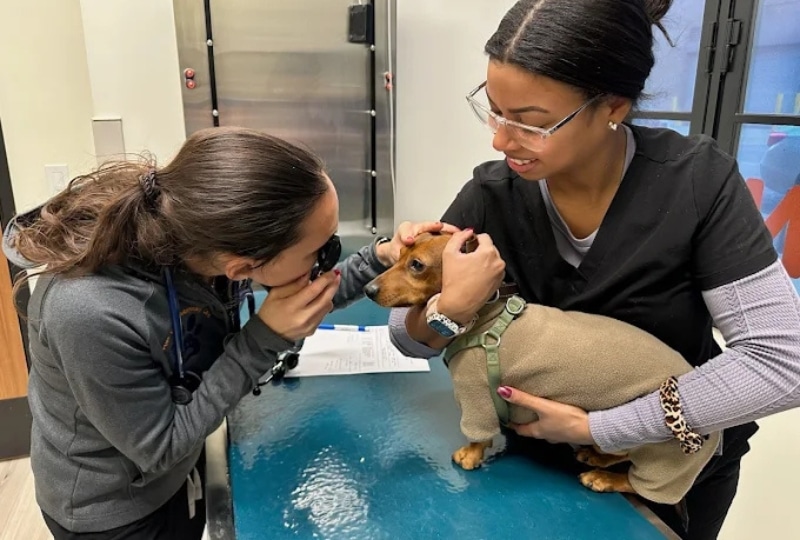
- Schedule regular veterinary check-ups for your dog to monitor their health and catch any signs of parasites early. Pure Paws Veterinary Care recommends screening dogs twice a year for parasites.
- Use parasite control products recommended by your vet regularly. This is especially important if your dog spends time outside or plays with other dogs. Not sure what’s right for you or your pup? We can help; just give Pure Paw a call.
- Avoid Contaminated Areas: Be cautious in places where dogs gather, such as dog parks and dog runs. Parasites can easily spread in these common areas.
- Hygiene Practices: Practice good hygiene habits, such as washing your hands after handling your dog or cleaning up after them.
Intestinal Parasite & Giardia Treatment Options
If your dog is diagnosed with intestinal parasites or Giardia, your veterinarian will prescribe appropriate treatment based on the specific parasite involved and the severity of the infection. Treatment may include oral medications, dewormers, or antibiotics. Following your veterinarian’s instructions carefully is crucial to ensure successful treatment and prevent re-infection.
Conclusion
Intestinal parasites and Giardia in canines are significant concerns for dog owners in NYC, given the city’s unique environment and high dog population density. To protect your dog from harmful parasites, you should know the risks and look out for any symptoms. It is also important to schedule regular visits to the vet, use parasite control methods, and maintain good hygiene.
These steps will keep your dog safe and healthy. Early detection and prompt treatment are key to keeping your dog healthy and happy. Find a convenient walk-in veterinary clinic near you in NYC for personalized guidance and care.