Caring for a cat goes far beyond food, toys, and routine cuddles. One area that often gets overlooked is oral health. Many pet owners assume that cats naturally maintain clean teeth, but the truth is very different. Just like humans, cats are prone to plaque buildup, gum disease, and tooth decay. Without proper care, these issues can quietly progress and lead to discomfort, behavioral changes, and even more serious health concerns.
If you’re a pet owner in Clinton Hill, this guide is designed with your cat’s well-being in mind. Living in a busy neighborhood often means juggling schedules, making it easy to delay routine pet care. However, cat dental care is not something to postpone. Understanding how professional teeth cleaning works and why it matters can help prevent long-term complications. If your cat has not had a recent dental check, this is a great time to consider scheduling a visit with Pure Paws Veterinary Care of Clinton Hill for compassionate support.
Why Feline Dental Health Deserves More Attention
The Hidden Nature of Dental Problems
Cats are incredibly good at masking pain, including dental discomfort. What looks like normal behavior can easily hide sore gums, infected teeth, or advanced dental disease. By the time obvious signs like persistent bad breath or thick tartar show up, the problem has often been developing for far longer than expected. This silent progression is exactly what makes feline dental care so easy to underestimate and so important to stay ahead of.
Dental disease in cats often begins with plaque, a sticky film of bacteria that forms on teeth after eating. If not removed, it hardens into tartar, which irritates the gums and leads to inflammation. Over time, this can develop into periodontal disease, a condition that affects not just the mouth but overall health.
What Happens Inside the Mouth
Understanding what occurs beneath the surface can help highlight the importance of routine care:
- Plaque accumulation: Bacteria feed on food particles, forming a film on teeth that, if left untreated, can lead to oral infections.
- Gum inflammation: Red and swollen gums are an early sign of gingivitis, which can progress quickly without intervention.
- Tooth damage: Weakening of tooth structures can lead to fractures or loss, affecting how a cat eats and behaves.
Beyond the Mouth
Feline oral health is closely linked to systemic health. Bacteria from the mouth can enter the bloodstream and affect vital organs. This connection makes dental care not just about clean teeth, but about overall well-being. Addressing oral hygiene early can help reduce the risk of infections spreading to the heart, kidneys, or liver.
Many pet owners search for answers for cat dental care tips, or how to clean cat teeth, but professional cleaning plays a different and essential role. It reaches areas that home care cannot reach, ensuring a deeper, more thorough approach.
What Professional Cat Teeth Cleaning Actually Involves
A Closer Look at the Process
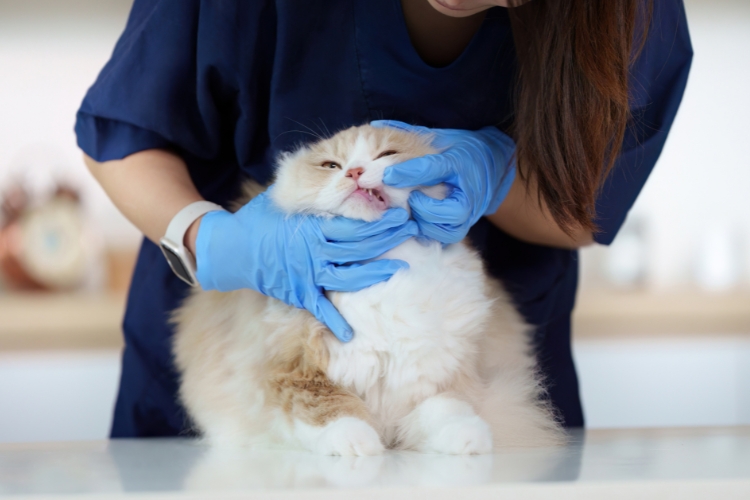
Professional teeth cleaning for cats is a detailed procedure performed in a controlled environment. It goes beyond what can be achieved with brushing at home. Each step is designed to ensure safety while delivering effective results.
The process typically begins with a thorough examination, which allows for a complete assessment of the cat’s oral condition, including areas below the gum line that are not visible during routine checks. Imaging may also be used to identify hidden issues such as root damage or bone loss.
Steps That Make a Difference
Here is what happens during a typical session:
- Comprehensive evaluation: The mouth is examined for signs of infection, decay, or abnormalities that may require attention.
- Scaling and cleaning: Specialized tools remove plaque and tartar from both visible surfaces and beneath the gums.
- Polishing: Teeth are smoothed to reduce the likelihood of future buildup, helping maintain oral hygiene for longer periods.
Why This Matters More Than You Think
Professional cleaning ensures that bacteria and debris are removed from areas that are otherwise unreachable. It is particularly important because most dental disease occurs below the gum line, where it cannot be seen.
Many pet owners wonder whether it is truly necessary. The reality is that this level of care cannot be replicated at home. Even the most diligent brushing routine cannot replace the precision and depth of a professional procedure.
Regular cleanings also allow for early detection of issues. Catching problems at an early stage can make a significant difference in outcomes, helping to preserve teeth and prevent discomfort.
The Real Consequences of Skipping Dental Care
When Small Problems Become Big Concerns
Skipping dental care might seem harmless at first, especially if a cat appears to be eating and behaving normally. However, dental disease does not resolve on its own. It progresses, often silently, until symptoms become noticeable.
Common signs that dental issues may be developing include persistent bad breath, drooling, or reluctance to eat certain foods. By the time these signs are evident, the underlying condition may already be advanced.
What Can Go Wrong
Neglecting feline dental care can lead to several complications:
- Pain and discomfort: Oral infections can cause significant pain, even if it is not immediately obvious.
- Tooth loss: Advanced periodontal disease can weaken the structures that support teeth, leading to tooth loss over time.
- Systemic health risks: Bacteria that enter the bloodstream can affect organs, contributing to broader health concerns.
Behavioral Changes That Often Go Unnoticed
Cats experiencing dental pain may exhibit subtle behavioral changes. They might become less playful, avoid interaction, or show reduced appetite. These changes are sometimes mistaken for aging or mood shifts, when in reality they are linked to oral discomfort. Understanding the connection between bad breath and dental disease in cats can help pet owners take timely action.
Ignoring dental care not only affects a cat’s quality of life but can also lead to more complex health challenges. Preventive care is always a more effective approach than addressing advanced conditions later.
Keeping Your Cat’s Teeth Healthy Between Visits
Building a Routine That Works
While professional cleaning is essential, maintaining oral health at home also plays a key role. Creating a simple routine can help reduce plaque buildup and support overall dental hygiene.
Cats may take time to adjust to new habits, so patience is important. Starting slowly and using positive reinforcement can make the process smoother.
Practical Tips for Everyday Care
Here are some ways to support feline dental health at home:
- Regular brushing: Using cat-specific toothpaste can help remove plaque and keep teeth cleaner over time.
- Dental-friendly diet options: Certain foods are designed to support oral health by reducing buildup during chewing.
- Routine checkups: Scheduling periodic exams ensures that any issues are identified early and managed appropriately.
Finding the Right Balance
Balancing veterinary care with at-home maintenance is the most effective way to protect a cat’s oral health. While brushing and diet adjustments are helpful, they work best when combined with regular professional cleaning.
Many pet owners explore topics such as how often cats should have their teeth cleaned or the best dental care for cats. The answer often depends on the individual cat, including age, diet, and overall health.
Establishing a routine and sticking to it can make a significant difference over time, helping to prevent the progression of dental disease and supporting a healthier, happier life.
Healthy Teeth Mean a Happier Cat
Caring for a cat’s teeth is about more than appearance. It directly impacts comfort, behavior, and overall health. Regular attention to oral hygiene can help prevent unnecessary discomfort and support long-term well-being. Staying proactive with dental care helps prevent small issues from turning into bigger concerns over time.
If you’re noticing signs of dental issues or simply want to stay ahead of potential problems, book an appointment with Pure Paws Veterinary Care of Clinton Hill. Our team is dedicated to providing attentive care and helping your cat maintain healthy teeth.
Frequently Asked Questions
1. How often should cats get professional teeth cleaning?
Most cats benefit from professional cleaning once a year, though some may need it more frequently depending on their oral health and risk factors identified during routine veterinary exams.
2. What are the early signs of dental disease in cats?
Early signs include bad breath, red gums, drooling, and reduced interest in food. These symptoms can appear subtle but often indicate underlying dental issues that require attention.
3. Can I clean my cat’s teeth at home effectively?
At-home care helps reduce plaque, but it cannot replace professional cleaning, which removes buildup below the gum line and addresses deeper oral health concerns.
4. Is dental disease common in cats?
Yes, dental disease is one of the most common health issues in cats, affecting a large percentage of adults, especially those who have not received regular oral care.
5. Does diet affect my cat’s dental health?
Diet plays a role in dental health. Certain foods can help reduce plaque buildup, while others may contribute to it, making balanced nutrition an important part of oral care.