Bringing a kitten into your home can be one of the most joyful experiences for any pet owner, but it also comes with the responsibility of litter box training. While it’s often assumed that kittens naturally know how to use the litter box, they still require guidance and support to establish this habit early. Fortunately, litter box training doesn’t have to be difficult; it can be simple and even fun for both you and your kitten.
This blog is specifically for kitten owners in New York, where the hustle and bustle of city life often mean tighter living spaces and colder winters. With apartments and homes in the city being smaller and sometimes less accessible for kittens, proper litter box training can help avoid accidents and maintain a clean, comfortable environment. Whether you’re a first-time kitten owner or need some tips for better training, this guide will walk you through the process, making it easy to set your kitten up for success.
The Purrfect Start: Understanding Kitten Litter Box Training
Litter box training is an essential part of kitten care to ensure your kitten grows into a well-behaved adult cat. Fortunately, kittens have an instinct to bury their waste, which makes litter box training relatively easy. However, there are a few key things to understand to ensure success. It’s not just about showing them the box and hoping for the best; it’s about making them feel comfortable, secure, and familiar with their new bathroom space.
Why Litter Box Training is Essential
A properly trained kitten will use the litter box consistently, which helps keep your home clean and odor-free. It also ensures that your kitten gets into a good routine that they’ll carry throughout their life. Not only does it make your life easier, but it’s also an important step in your kitten’s development as they learn to live in their new home.
Step-by-Step Guide to Litter Box Training Your Kitten
Training your kitten to use the litter box doesn’t have to be stressful. By following a few simple steps, you can guide your kitten to use their litter box quickly and efficiently.
1. Choosing the Right Litter Box: Size Matters
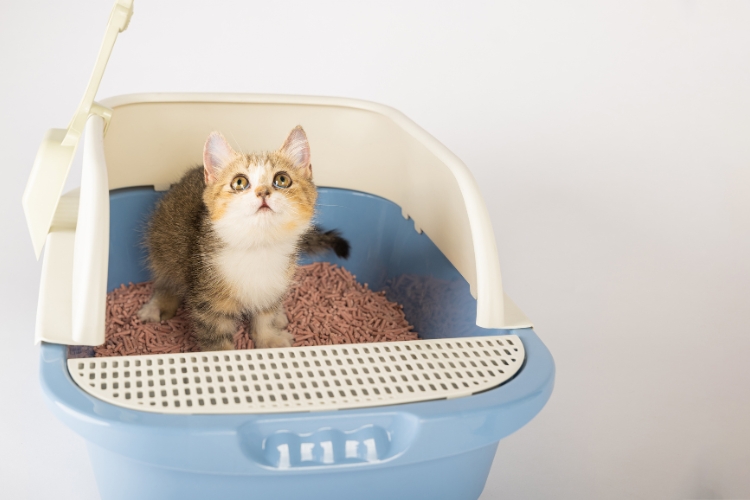
When selecting a litter box, size matters. Choose a box that’s big enough for your kitten to move around in comfortably, but not so large that it makes them feel overwhelmed. In New York, where space can be limited, a smaller, easily accessible litter box is ideal. Place it in a quiet, private area where your kitten won’t be disturbed, but still can easily find it.
2. Finding the Best Litter for Kittens
Kittens are more sensitive than adult cats, so it’s important to choose a litter that is soft on their delicate paws. Non-clumping, fine-grain litter is often a good choice for younger kittens. As your kitten grows, you can gradually transition to clumping litter. Look for natural, hypoallergenic options, especially if your kitten has sensitive skin or respiratory issues.
3. Place Your Kitten in the Litter Box
When you bring your kitten home, place them in the litter box right away to show them where it is. Kittens will naturally start using the box once they recognize its scent and feel. After meals, naps, or playtime are great times to place your kitten in the box to encourage its use. If they don’t use it immediately, don’t worry, just try again in a few minutes.
4. Rewarding Good Behavior
Positive reinforcement works wonders with kittens. Whenever your kitten uses the litter box correctly, immediately praise them in a gentle voice or give them a small treat, which helps them associate the litter box with a positive experience and encourages them to keep using it.
Common Litter Box Issues: Troubleshooting and Solutions
Litter box training isn’t always perfect, and kittens can sometimes have accidents or resist using the box altogether. Here are some common issues and simple solutions:
1. Not Using the Litter Box
If your kitten avoids the litter box, the first step is to check its location. Make sure it’s in a quiet, accessible area away from their food and water bowls. If the litter box is too big, too small, or too dirty, your kitten may not feel comfortable using it.
2. Accidents Outside the Box
If your kitten has an accident outside the litter box, don’t scold them. Simply clean the area thoroughly with an enzymatic cleaner to eliminate odors. Consider adding another litter box to give your kitten more access, especially if you live in a multi-level home in New York. A second box in an easily accessible area can make all the difference.
3. Litter Preferences
Some kittens have strong preferences for certain types of litter. If your kitten is avoiding the box, try switching to a different litter texture or brand. Start with a small amount of the new litter and gradually mix it with the old to ease the transition.
Tips for Maintaining Good Litter Box Habits
Once your kitten is trained, keep their litter box habits. Here are some ongoing tips:
1. Keep the Litter Box Clean
Cats are naturally clean animals, and so are kittens. To prevent accidents and ensure your kitten continues to use the litter box, scoop it at least once a day. Clean the box completely and replace the litter weekly to keep it fresh and odor-free.
2. Provide Multiple Boxes
If you have more than one kitten, ensure that each has their own litter box. The general rule is one box per cat, plus one extra. In New York, where living spaces can be tight, placing multiple boxes in accessible spots can help your kittens feel comfortable and reduce the chances of accidents.
3. Monitor Your Kitten’s Health
Keep an eye on your kitten’s bathroom habits. If they suddenly stop using the litter box or show signs of discomfort, it could indicate a urinary tract infection (UTI), constipation, or other health issues. Consult the veterinarian if you notice any significant changes.
Making Litter Box Training a Positive Experience
Litter box training should be a fun and stress-free process for both you and your kitten. By choosing the right box, litter, and placement, and reinforcing good behavior, you’ll be setting your kitten up for success. Remember, consistency is key, and with time, your kitten will learn to use the litter box without hesitation.
If you’re in New York and need assistance with your kitten’s litter box training or general kitten care near you, book an appointment at Pure Paws Veterinary Care today. Our veterinary team can offer advice and solutions tailored to your kitten’s specific needs to ensure they grow up healthy and happy.
FAQs
1. How soon can I start litter box training my kitten?
You can begin litter box training your kitten as early as 3 to 4 weeks old. Kittens instinctively know how to use the litter box, so introducing it early will help establish good habits.
2. What type of litter should I use for my kitten?
For kittens, use soft, non-clumping litter that’s gentle on their paws. Once they’re accustomed to the litter box, you can transition to clumping litter for easier maintenance.
3. How many litter boxes should I have for my kittens?
The rule of thumb is one litter box per kitten, plus one extra. If you have multiple kittens in a New York apartment, providing an additional box in each accessible area can help prevent accidents.
4. Why is my kitten avoiding the litter box?
If your kitten is avoiding the litter box, check its cleanliness, location, and size. Kittens prefer a clean, quiet place to go, so ensure the box is in a calm, private area.
5. Can I train my adult cat to use a litter box?
Yes, adult cats can be litter box trained. The process may take a bit longer, but with patience, consistency, and the right environment, most adult cats can be trained successfully.
6. How can I clean the litter box effectively?
To keep the litter box clean, scoop waste daily and completely change the litter once a week. Use a pet-safe cleaner to disinfect the box, ensuring it’s always fresh and inviting for your kitten.