As a cat owner, you’re probably familiar with keeping your furry friend’s coat shiny, their eyes bright, and their litter box clean. Just like humans, cats can face dental problems. While cavities are often associated with human dental health, cats can experience dental issues that are just as serious, though different in nature.
This blog is specifically for cat owners in New York who are looking to understand their feline companion’s dental health better. We’ll uncover the truth about cavities in cats, what dental issues they face, and most importantly, how to keep their teeth healthy. Let’s dive into feline dental care and what you can do to ensure your cat’s smile stays in tip-top shape.
Understanding Feline Dental Health
While cavities as we know them in humans are relatively rare in cats, this doesn’t mean that dental health isn’t an important consideration for your feline friend. Cats can suffer from other dental issues that can be just as painful and harmful, and proper care can prevent them from developing serious conditions that may impact their overall health.
Why Dental Health Matters for Cats
Dental problems in cats can lead to discomfort, difficulty eating, and infections that may spread to other parts of their body. If left untreated, these issues can cause severe health complications, including tooth loss and damage to vital organs, which is why understanding dental health in cats is so crucial.
Just like humans, cats rely on their teeth for chewing, and any dental issue can affect their eating habits and overall nutrition. Keeping your cat’s teeth healthy not only ensures that they can continue to eat properly, but it also helps them avoid the pain and discomfort that often comes with dental disease.
The Possibility for Cats to Develop Cavities
The short answer is yes, cats can get cavities, but it’s relatively uncommon. Cavities in cats are different from those in humans, and they tend to be far less frequent. In humans, cavities occur when plaque and bacteria build up on the teeth, leading to tooth decay. However, cats generally don’t suffer from cavities in the same way because their diet is primarily meat, which doesn’t expose their teeth to sugar and carbohydrates as human diets do.
The Main Culprits: Tooth Resorption
The primary dental issue in cats that resembles a cavity is tooth resorption, which is actually more common than cavities. Tooth resorption occurs when the structure of the tooth begins to break down and dissolve, often starting at the root or inside the tooth, which can cause severe pain and discomfort for your cat.
Tooth resorption is particularly prevalent in older cats and can lead to tooth loss if not addressed. It’s often difficult for pet owners to notice the early signs, as the affected tooth can remain intact externally while its internal structure deteriorates.
Other Common Dental Issues in Cats
While cavities themselves are rare, cats are still prone to various dental issues, some of which can mimic cavity symptoms. Here are a few other common dental problems in cats:
1. Gingivitis and Periodontal Disease
Just like humans, cats can suffer from gum disease, including gingivitis and periodontal disease. These conditions occur when plaque and tartar build up on the teeth and gums, leading to inflammation, infection, and even tooth loss.
2. Stomatitis
Stomatitis is an inflammation of the tissues in your cat’s mouth that can lead to severe pain and difficulty eating, often resulting from an immune system response to plaque and tartar buildup, and is commonly seen in cats with periodontal disease.
3. Plaque and Tartar Buildup
Cats can develop plaque and tartar just like humans, especially if their teeth are not cleaned regularly. Tartar buildup can contribute to gum disease, tooth resorption, and other dental issues, which is why routine dental care is so important.
4. Abscesses
Abscesses in cats occur when bacteria enter the tooth’s root or surrounding tissues, usually as a result of an untreated infection. These can be painful and lead to other complications if not treated promptly.
How to Prevent Dental Issues in Cats
Now that we’ve covered the main dental issues cats face, you’re probably wondering what you can do to prevent them. Thankfully, with regular dental care and attention, many of these problems can be prevented or minimized.
1. Regular Brushing
Brushing your cat’s teeth is the most effective way to prevent plaque buildup and other dental issues. Use a cat-friendly toothbrush and toothpaste, and aim to brush your cat’s teeth at least two to three times a week.
2. Professional Dental Cleanings
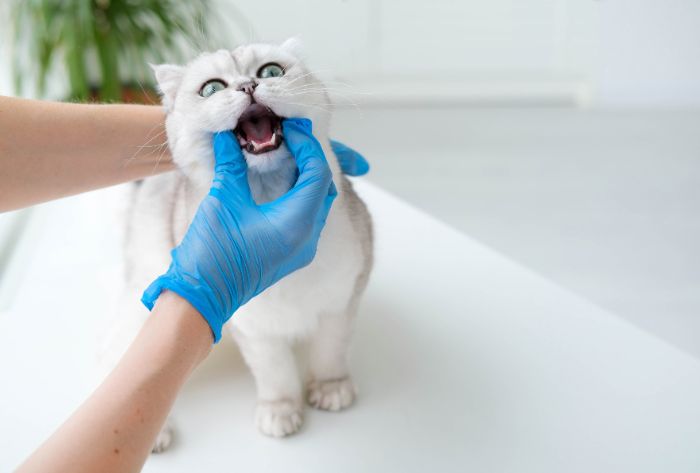
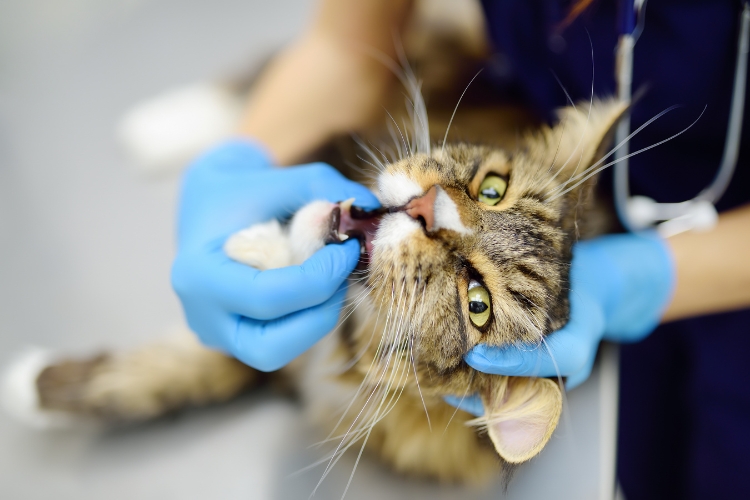
Just like humans, cats need professional dental cleanings to keep their teeth healthy. Your veterinarian can perform a thorough cleaning to remove tartar and plaque buildup that brushing alone can’t address. Regular checkups and cleanings help ensure that dental problems are caught early.
3. Dental Chews and Toys
Dental chews and toys can help reduce plaque buildup and keep your cat’s teeth clean. Look for products specifically designed for dental health, as these are more effective in cleaning your cat’s teeth than regular toys or treats.
4. Balanced Diet
A healthy, balanced diet plays a vital role in maintaining your cat’s dental health. Consider feeding your cat food formulated to support oral health, as some brands offer specially designed kibble that helps reduce plaque buildup. Consult your vet for recommendations on the best diet for your cat.
5. Routine Vet Visits
Routine visits to the vet are essential for keeping an eye on your cat’s overall health, including their dental health. Your veterinarian can detect early signs of dental issues and recommend appropriate treatments or interventions to keep your cat’s teeth in good shape.
The Importance of Early Detection
The earlier you detect dental issues in your cat, the easier and less costly they will be to treat. Regular dental check-ups, along with routine brushing and home dental care, are essential for early detection. If you notice any of the following signs, it’s important to take your cat to the vet for a thorough dental examination:
- Bad breath or halitosis
- Difficulty eating or chewing
- Drooling or excessive salivation
- Red or inflamed gums
- Swelling around the mouth or face
Catching these signs early can prevent more serious issues, such as infections, tooth loss, or oral cancer, and help you keep your cat healthy for years to come.
Keeping Your Cat’s Teeth Healthy
While cavities are rare in cats, dental issues like tooth resorption, gum disease, and tartar buildup are quite common and can lead to severe health problems if left untreated. By understanding the importance of dental health and following a preventive care routine, you can ensure that your cat’s teeth remain healthy and their overall well-being is preserved.
If you’re in New York and concerned about your cat’s dental health, book a dental appointment at Pure Paws Veterinary Care. Our team of veterinarians offers comprehensive dental exams and treatments to ensure that your feline friend’s teeth stay in top shape. Don’t wait until an issue becomes severe. Early detection and regular dental care can make all the difference in your cat’s overall health.
FAQs
1. Can cats get cavities?
While cavities are rare in cats, they can suffer from tooth resorption, which is similar to cavities. Tooth resorption causes the tooth structure to deteriorate, leading to pain and potential tooth loss.
2. What is tooth resorption in cats?
Tooth resorption is the breakdown of the tooth’s structure, often starting at the root. It’s common in older cats and can cause pain, inflammation, and tooth loss if not treated.
3. How can I prevent dental issues in my cat?
Regular brushing, professional dental cleanings, dental chews, and a balanced diet can all help prevent dental issues in cats. Routine vet visits are also essential for early detection of problems.
4. How often should I brush my cat’s teeth?
Ideally, you should brush your cat’s teeth at least two to three times a week. Use a cat-friendly toothbrush and toothpaste to avoid plaque buildup and tartar formation.
5. What are the signs of dental problems in cats?
Signs of dental issues in cats include bad breath, difficulty eating, drooling, swollen or red gums, and swelling around the mouth or face. If you notice these symptoms, consult your vet.
6. Is tooth resorption painful for cats?
Yes, tooth resorption can be very painful for cats. It’s important to seek veterinary care if you suspect your cat has this condition to prevent further discomfort or complications.