Many serious diseases in cats spread quickly, cause long-term damage, and can even become life-threatening if not prevented early. Routine cat vaccination helps the immune system prepare in advance, so the body can respond faster if exposed to the virus. Understanding which vaccines are necessary for every cat and which depend on lifestyle helps pet owners make better health decisions.
This guide is especially for Clinton Hill pet owners who want to understand how core and non-core vaccines protect cats against preventable diseases. Many cats living in city environments still face health risks from outdoor exposure, shared spaces, and indirect contact through humans or objects brought inside homes.
Core vs Non-Core Vaccines Explained Simply
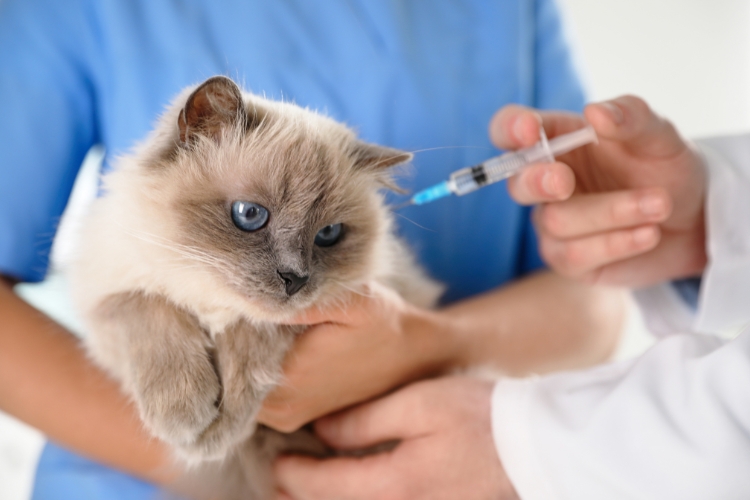
Cat vaccines are grouped into two main categories based on risk and necessity. Core vaccines are recommended for all cats, while non-core vaccines are given based on lifestyle, exposure risk, and environment. A veterinarian usually evaluates these factors before creating a vaccination plan.
Core vaccines protect against diseases that are widespread and highly contagious. Non-core vaccines are used only when a cat has a higher chance of exposure. helps avoid unnecessary treatments while still ensuring protection where it is needed most.
- Core vaccines protect against severe and common diseases that spread easily in many environments.
- Non-core vaccines focus on specific risks based on outdoor access or contact with other animals.
- Individual assessment ensures each cat receives only what is necessary for their situation.
- Balanced protection reduces health risks without over-vaccination
Essential Core Vaccines for All Cats
Core vaccines are considered essential for all cats regardless of age or lifestyle. These vaccines protect against diseases that are common, highly contagious, and often severe. Most veterinarians strongly recommend starting these vaccines early in kittenhood and maintaining boosters throughout life.
FVRCP Vaccine Protection
The FVRCP vaccine protects against three major diseases that affect a cat’s respiratory and digestive systems. These include feline viral rhinotracheitis, calicivirus, and panleukopenia. Each of these illnesses spreads easily and can cause serious complications if not prevented early.
A veterinarian usually begins this vaccine series when a kitten is young, followed by booster doses to strengthen immunity. Regular updates help maintain protection as the cat grows older and encounters new environments.
Rabies Vaccine Requirement
Rabies is one of the most serious diseases in animals and can affect both pets and humans. It is required in many regions and is considered essential for all cats, even those that live indoors.
A veterinarian will typically recommend an initial rabies vaccine followed by booster doses depending on local guidelines. Maintaining an updated schedule is important for both health protection and legal compliance.
Lifestyle-Based Non-Core Vaccines
Non-core vaccines are not required for every cat, but they become important depending on exposure risk. Cats that go outdoors, live with other animals, or spend time in shelters may benefit from additional protection. A veterinarian evaluates these risks carefully before recommending them.
Feline Leukemia Protection
Feline leukemia virus spreads through close contact, such as grooming, shared bowls, or bite wounds. It weakens the immune system and can lead to serious long-term illness. Cats that go outdoors or interact with unknown animals are more likely to be exposed.
A veterinarian often recommends this vaccine for kittens and at-risk adult cats. Early protection is important because infection can have lasting effects on overall health and immunity.
Bordetella Respiratory Protection
Bordetella can spread quickly in places where many cats are housed together. It mainly affects the respiratory system and can cause coughing and nasal discharge. Cats in shelters or boarding environments may be at higher risk of exposure.
A veterinarian may suggest this vaccine when a cat is expected to stay in group settings. It helps reduce symptom severity and limit the spread to other animals.
How Vaccine Decisions are Made
A vaccination plan is not the same for every cat. A veterinarian considers several factors before recommending a schedule, which helps ensure that each cat receives the right protection without unnecessary treatments.
Key Factors Used in Decision-Making
- Age and life stage: Younger cats often need a full vaccine series, while older cats may need boosters based on their history and health.
- Living environment: Indoor cats generally have lower exposure risk, while outdoor access increases the need for additional vaccines.
- Contact with other animals: Multi-cat households or exposure to shelters can increase disease risk and alter vaccine needs.
- Health history: Cats with medical conditions may require adjusted schedules to avoid complications.
A veterinarian uses these factors to create a safe and effective vaccination plan tailored to each cat’s needs.
Vaccination Timing and Booster Importance
Timing plays an important role in how well vaccines work. Kittens receive their first vaccines early in life because their natural immunity from their mother gradually decreases. Without timely vaccination, they become more vulnerable to infections.
A typical vaccination schedule includes multiple doses spaced a few weeks apart, which helps build strong and lasting immunity. Booster shots later in life help maintain protection as immunity naturally decreases over time.
Why Boosters Matter Long Term
- Maintain immunity levels that decrease over time
- Strengthen long-term protection against recurring exposure
- Adjust to lifestyle changes such as outdoor access or new environments
- Ensure continued disease prevention as cats age
A veterinarian usually tracks these schedules closely to ensure consistent protection throughout a cat’s life.
Common Concerns About Vaccination
Many pet owners have questions about vaccine safety and necessity. These concerns are normal and often stem from a desire to provide the best care for their pets. Understanding how vaccines work helps reduce confusion and builds confidence in preventive care.
Mild Post-Vaccine Reactions
Some cats may show temporary changes after receiving vaccines. These can include mild tiredness, reduced appetite, or slight swelling at the injection site. These signs usually resolve quickly without treatment.
Why Vaccines Remain Necessary
Even indoor cats can be exposed to disease through human contact, clothing, or unexpected escapes. Vaccines reduce the severity of illness and lower the risk of severe complications. Preventive care is always easier than treating advanced disease.
Long-Term Value of Vaccination Plans
A structured vaccination plan does more than prevent illness. It helps build a long-term foundation for health that supports stability, reduces the need for emergencies, and improves quality of life. Regular updates also help veterinarians track health history more effectively over time.
Consistent vaccination reduces the spread of contagious diseases within communities. It also helps protect vulnerable cats such as kittens and senior pets who may have weaker immune systems. Over time, this creates a healthier environment for all pets.
Lifelong Protection Through Preventive Care
Core and non-core vaccines work together to protect cats from preventable diseases that can affect long-term health. Core vaccines provide essential protection against widespread illnesses, while non-core vaccines focus on specific risks based on lifestyle.
Pure Paws Veterinary Care of Clinton Hill provides vaccination planning that focuses on early protection, accurate scheduling, and long-term health tracking for cats. The clinic helps identify the right vaccine combination based on lifestyle and ensures each cat receives proper preventive care at the right stage of life.
If you’re a pet owner in Clinton Hill seeking guidance on core and non-core cat vaccinations, book an appointment online with Pure Paws Veterinary Care of Clinton Hill. The veterinary team helps create clear vaccination schedules, monitors booster timing, and ensures that cats receive safe, timely protection tailored to their individual needs.
Frequently Asked Questions
1. What makes core vaccines different from non-core vaccines?
Core vaccines are required for all cats because they protect against highly contagious and serious diseases. Non-core vaccines depend on lifestyle and exposure risk. A veterinarian determines which category applies after reviewing each cat’s environment, behavior, and health history.
2. Can indoor cats skip vaccination completely?
Indoor cats still need core vaccines because diseases can enter homes through people, objects, or unexpected escapes. Vaccination lowers the severity of illness and provides protection even when exposure risk appears low. A veterinarian typically recommends at least core protection for all cats.
3. How often should booster vaccines be given?
Booster timing depends on the vaccine type and the cat’s age. Some vaccines require yearly updates, while others last longer. A veterinarian creates a schedule based on medical guidelines to ensure continuous protection throughout the cat’s life.
4. Are cat vaccines safe for long-term use?
Cat vaccines are generally safe and widely used in preventive care. Most side effects are mild and temporary. A veterinarian evaluates each cat before vaccination to reduce risks and ensure the safest possible approach to long-term health protection.