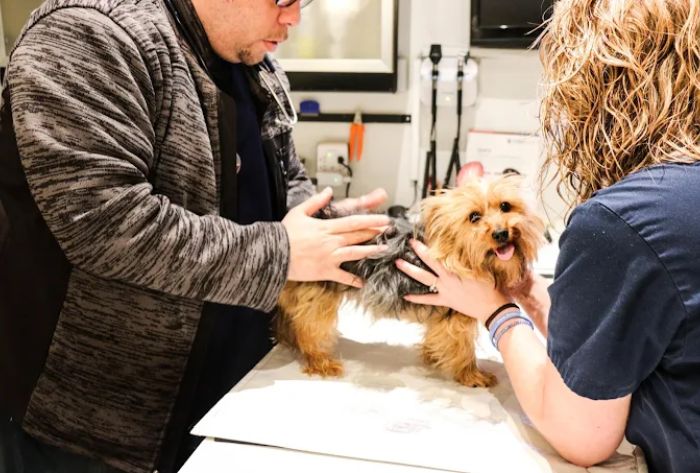
Detecting cancer early in cats can significantly improve treatment options and outcomes. While cats are skilled at hiding illness, paying attention to subtle behavioral changes can help identify potential problems before they become serious. Recognizing these early signs is essential for any caring pet owner, especially in a busy city, where environmental factors may also impact feline health.
The Importance of Early Cat Cancer Detection
Cancer is one of the most feared health issues in pets, but it is not always noticeable. Cats are usually skilled at hiding pain and discomfort, making regular veterinary checkups and paying close attention to their behavior essential for spotting problems early. Since urban lifestyles often make cats more sedentary or keep them indoors, regularly monitoring their health becomes even more critical.
Cancer can develop in any part of a cat’s body, so noticing changes in behavior can help identify potential issues early and allow prompt treatment. Acting quickly when signs are observed can significantly improve the chances of successful outcomes, even for more serious types of cancer.
Common Signs of Cat Cancer
When it comes to cat cancers, early detection is often based on changes in their physical appearance or behavior. Below are some common signs that may indicate your cat is suffering from cancer:
- Unexplained weight loss: Sudden and unexplained weight loss may indicate different types of cancer. It is especially worrying if your cat keeps eating as usual but still loses weight.
- Changes in appetite: Cats might stop eating or eat less because of discomfort or pain in their mouths, throats, or digestive systems caused by the disease.
- Lumps or bumps on the body: Any new or growing lumps on your cat’s body should be checked by a vet. These could be signs of a tumor or cancerous growth.
- Lethargy or behavioral changes: If your cat becomes more withdrawn or less active than usual, it could be a sign of pain or discomfort related to cancer.
- Vomiting or diarrhea: Chronic vomiting or diarrhea, especially if accompanied by weight loss or lethargy, can indicate gastrointestinal cancer.
- Difficulty breathing or coughing: These could be symptoms of lung cancer or other respiratory issues. Cats may also wheeze, gasp for air, or exhibit labored breathing.
- Excessive thirst or urination: Some types of cancer, like those affecting the kidneys or endocrine system, may cause cats to drink and urinate excessively.
If your cat shows any of these signs, it is crucial to consult a veterinarian for an accurate diagnosis. Detecting cat cancer early often leads to more effective management.
Cancer and Specific Cat Breeds
Some breeds are more susceptible to certain types of cat cancers, and knowing these risks can help you stay alert and monitor your cat’s health carefully. For example, Maine Coons have a higher chance of developing hypertrophic cardiomyopathy, which is a heart condition that can sometimes be mistaken for cancer. Dr. Kurtzman explains, “Breeds like Maine Coon, American Shorthair, Exotic Shorthair, Sphynx, Ragdolls, are often prone to HCM, which could have symptoms like lethargy and weight loss that might be confused with cancer symptoms. Regular check-ups and monitoring are essential for this breed.”
Similarly, Persians are prone to respiratory problems and may be more susceptible to lung malignancies due to their brachycephalic features. Dr. Liff adds, “With Persian breeds, the onset of labored breathing or coughing can be indicative of serious conditions, including cancers that affect the respiratory system. Early intervention is vital to ensure the right course of action.”
Diagnostic Tools for Cat Cancers
When you suspect cancer in your cat, your vet will likely recommend several diagnostic tests to confirm the condition. These may include:
- Blood tests: Evaluate organ function and detect abnormal cell counts, which can help diagnose some cancers, such as leukemia.
- X-rays or ultrasounds: They are used to detect tumors, masses, or abnormalities in the lungs, abdomen, or lymph nodes.
- Biopsy: When a mass or growth is detected, a biopsy may be performed to determine whether it’s malignant. A small tissue sample is collected and examined for cancer cells.
- CT scans or MRIs: In more complex cases or when tumors are hard to find, advanced imaging methods such as CT scans or MRIs can provide a clearer view of the issue.
Treatment Options for Cat Cancers
After a cancer diagnosis, treatment choices depend on the disease’s type, location, and stage. Surgery might be suggested to excise a tumor or growth in some cases. For more advanced stages, options such as chemotherapy, radiation therapy, or immunotherapy may be needed to manage the spread and reduce symptoms.
Dr. Kurtzman explains, “The approach to cancer treatment depends on the type and stage of cancer. Early detection allows us to explore more options, including surgery, which may offer the best chance of remission.”
Managing Pain and Comfort for Cat Cancers
Cancer can cause pain, and it is essential to keep your cat comfortable during treatment. Your veterinarian will work with you to create a pain management plan that may include medications, dietary changes, or acupuncture for certain types of pain. Ensuring your cat is as comfortable as possible is essential to their well-being. It is also important to provide a quiet, cozy space where your cat can rest and easily access food and water during recovery from surgery or treatment.
Early detection of cat cancers significantly improves the chances of effective treatment and management. By paying close attention to your cat’s behavior and remaining alert, you can identify potential health issues early. If you observe any of the signs mentioned, consult your veterinarian without delay. Regular check-ups combined with an attentive view of your cat’s habits are the most effective ways to help keep them healthy.
FAQs
Q1. How do I know if my cat’s lump is cancerous?
Ans. While not all lumps are cancerous, new or rapidly growing lumps should be examined by a vet. A biopsy or other lab tests can determine if the lump is cancerous.
Q2. Can cancer cause a change in my cat’s appetite?
Ans. Yes, cancer can affect a cat’s appetite, causing them to eat less or become disinterested in food. This is often a sign that something is wrong and should be investigated.
Q3. Can cats hide cancer symptoms?
Ans. Yes, cats are masters at hiding symptoms of illness. This is why it’s crucial to look for subtle signs, such as changes in behavior, eating habits, or grooming, and seek early detection.
Q4. Is a sudden weight loss in my cat a sign of cancer?
Ans. Sudden, unexplained weight loss can be a sign of cancer, especially when combined with other symptoms like vomiting, diarrhea, or loss of appetite. Consult your vet for a thorough evaluation.
Q5. What should I do if my cat is coughing frequently?
Ans. If your cat is coughing frequently, it may be a sign of respiratory issues, including cancer. A vet should assess the cause, particularly if the cough persists for more than a few days.