Skin problems in dogs are more than a surface-level concern. A rash can signal irritation, infection, or a deeper imbalance affecting overall health. From redness and itching to bumps and flaky patches, these visible changes often leave pet owners wondering what is normal and what needs attention.
If you’re a pet owner in Clinton Hill, noticing unusual changes in your dog’s coat or skin can feel concerning and confusing. Local environmental factors, seasonal shifts, and everyday exposures all play a role in how skin issues develop.
Paying attention to subtle signs and acting early can help prevent discomfort from becoming something more serious. If any symptoms seem unusual or persistent, you are warmly encouraged to schedule a visit with Pure Paws Veterinary Care of Clinton Hill so the team can provide attentive dermatological care for your dog.
Itchy Mysteries: Allergic Reactions and Environmental Triggers
Allergic reactions are among the most common causes of dog skin rashes. A wide range of factors, including pollen, dust mites, certain foods, or flea bites, can trigger these reactions. Dogs with sensitivities often develop red, inflamed skin that may appear suddenly and worsen over time if the source is not identified.
Recognizing the Signs of Allergies
Dogs experiencing allergies often show visible discomfort. Persistent scratching, licking, and chewing are key indicators. Areas such as the paws, ears, belly, and underarms are especially vulnerable. Over time, repeated irritation can lead to hair loss or thickened skin. These symptoms are not only uncomfortable but may also lead to secondary infections if left untreated.
Common Environmental Triggers
Environmental elements play a major role in allergic skin reactions. Seasonal pollen can cause flare-ups during spring and fall, while indoor allergens such as mold or dust may trigger year-round irritation. Even household cleaning products or certain fabrics can contribute to contact dermatitis in sensitive dogs.
- Flea Allergy Dermatitis: A single flea bite can trigger intense itching in some dogs. This reaction often results in redness near the tail base and hind legs, making flea prevention essential for sensitive pets.
- Food-Related Sensitivities: Certain proteins or ingredients in dog food can cause chronic itching and digestive changes. Identifying the specific trigger may require dietary adjustments under veterinary guidance.
- Contact Irritants: Grass, chemicals, or synthetic materials can irritate the skin when touched. This type of rash often appears in localized areas that come into direct contact with the irritant.
Managing allergies involves identifying triggers and minimizing exposure. Regular grooming, proper nutrition, and veterinary evaluation can help reduce symptoms and improve skin health. Early attention to allergic reactions can prevent them from becoming ongoing issues.
Beyond the Surface: Infections That Affect Dog Skin
Skin infections in dogs can develop when the natural barrier is disrupted. Bacteria and yeast are the most common culprits, often taking advantage of weakened or irritated skin. These infections can appear as red patches, pustules, or areas with a greasy or unpleasant odor.
Bacterial Skin Infections
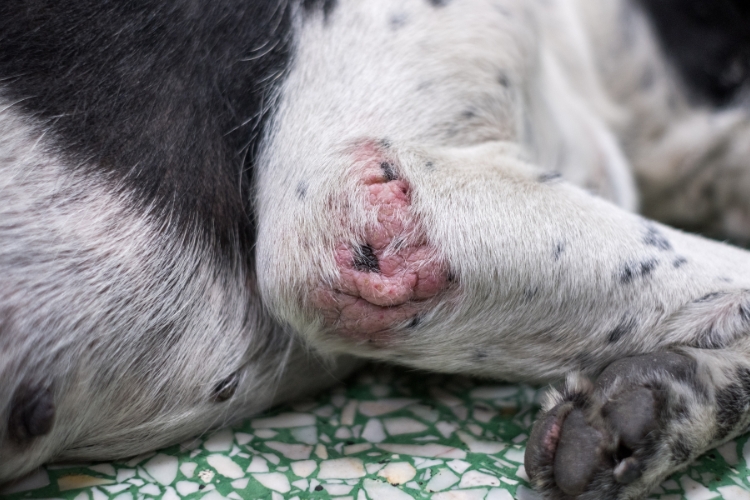
Bacterial infections, also known as pyoderma, typically occur when bacteria enter through small cuts or inflamed areas. Dogs with allergies are especially prone to this condition. Symptoms may include crusty lesions, scabs, and circular areas of hair loss.
Yeast Overgrowth and Imbalance
Yeast infections thrive in warm, moist environments such as skin folds, ears, and paws. Affected areas may appear darkened, thickened, and have a distinct odor. Dogs often lick or chew these areas, which can worsen irritation.
- Hot Spots: These are rapidly developing areas of inflamed skin that can become painful within hours. They often result from excessive licking or scratching and require prompt attention.
- Ringworm Infection: Despite the name, this is a fungal infection that causes circular patches of hair loss with red edges. It is contagious and can spread to other pets or humans.
- Ear-Related Skin Issues: Chronic ear infections can extend to surrounding skin, leading to redness and irritation around the ears and head.
Treatment for infections depends on the underlying cause. Topical medications, medicated shampoos, or oral treatments may be recommended. Addressing the root issue is essential to prevent recurrence. Clean living environments and routine care also play an important role in maintaining healthy skin.
Hidden Causes: Parasites and Underlying Health Concerns
Parasites are another major contributor to dog skin rashes. These tiny organisms can cause intense irritation and lead to visible skin damage. In some cases, a rash may also indicate an internal health concern that requires attention.
External Parasites and Their Impact
Fleas, mites, and ticks can all affect the skin in different ways. Fleas are well known for causing itching and allergic reactions. Depending on the type, mites can cause conditions such as mange, which results in hair loss and scaly skin. Ticks can cause localized irritation and may also transmit diseases.
Internal Health Connections
Sometimes, a rash is a symptom of a deeper issue. Hormonal imbalances, autoimmune conditions, or nutritional deficiencies can all affect the skin. These cases often require a thorough evaluation to determine the underlying cause.
- Mange Conditions: Caused by mites, mange can appear as patchy hair loss with redness and crusting. Some forms are contagious, while others are related to immune system changes.
- Tick-Related Irritation: Tick bites can leave behind small, inflamed areas that may become infected if scratched excessively.
- Hormonal Imbalances: Conditions affecting hormone levels can lead to thinning fur, dry skin, and increased susceptibility to infections.
- Nutritional Deficiencies: A lack of essential nutrients can weaken the skin barrier, making it more prone to irritation and slower healing.
Identifying the exact cause of a rash is key to effective treatment. Diagnostic tests, skin evaluations, and a detailed health history help guide the next steps. Addressing both external and internal factors ensures a more complete approach to skin health.
Caring for Your Dog’s Skin: Prevention and Early Attention
Maintaining healthy skin in dogs involves a combination of routine care, observation, and timely intervention. Preventive measures can significantly reduce the risk of rashes and improve overall comfort. A consistent care routine helps detect changes early and supports long-term wellness.
Building a Healthy Skin Routine
Regular grooming plays a vital role in keeping the skin clean and free from irritants. Brushing removes debris and helps distribute natural oils across the coat. Bathing with appropriate products can soothe the skin and reduce allergens.
Nutrition is equally important. A balanced diet supports the skin from within, providing essential nutrients that promote resilience and healing. Hydration also helps maintain a healthy skin barrier.
When to Seek Veterinary Attention
While some mild irritations may resolve with basic care, persistent or worsening symptoms should not be ignored. Early evaluation can prevent complications and provide relief sooner.
- Persistent Itching: Continuous scratching or licking may indicate an underlying issue that needs attention.
- Visible Changes in Skin Texture: Thickened, flaky, or discolored skin can signal infection or chronic irritation.
- Hair Loss: Unexplained hair loss often points to deeper concerns that require evaluation.
- Unusual Odor: A strong or unpleasant smell from the skin may indicate bacterial or yeast overgrowth.
Preventive care combined with attentive observation helps maintain a dog’s comfort and quality of life. Recognizing changes early allows for timely care and reduces the likelihood of more complex issues developing.
A Healthier Coat Starts With Attention and Care
Dog skin rashes can reveal important clues about overall health. Paying attention to symptoms, understanding potential causes, and seeking timely care can make a meaningful difference. Early action helps prevent discomfort and supports long-term well-being for every dog.
If you’re noticing signs of irritation or unusual skin changes, book an appointment with Pure Paws Veterinary Care of Clinton Hill. Our team will provide thoughtful guidance, careful evaluation, and support tailored to your dog’s needs, helping restore comfort and maintain healthy skin.
Frequently Asked Questions
1. What causes sudden skin rashes in dogs?
Sudden rashes often result from allergic reactions, insect bites, or contact with irritants. Environmental changes or new foods can also trigger rapid skin responses that require attention.
2. Can dog skin rashes heal on their own?
Mild irritation may improve with basic care, but persistent or worsening rashes often need veterinary evaluation to identify underlying causes and prevent complications or infections.
3. How can itching in dogs be reduced at home?
Gentle grooming, hypoallergenic shampoos, and maintaining a clean environment may help. However, ongoing itching should be evaluated to address the root cause effectively.
4. Are skin infections in dogs contagious?
Some infections, such as ringworm, can spread to other pets or humans. Proper hygiene and prompt treatment are important for limiting transmission and ensuring recovery.
5. When should a dog with a rash see a veterinarian?
A visit is recommended if the rash spreads, does not improve, or is accompanied by itching, hair loss, or odor, as these signs may indicate infection or underlying health concerns.