Saying goodbye to a beloved dog is one of the toughest decisions a pet owner faces. The process of euthanasia and end-of-life care is very emotional, but understanding what to expect can help you feel more prepared. This guide explains, step by step, what may happen during this difficult time, ensuring your dog is treated with kindness and dignity.
Understanding Dog Euthanasia and End-of-Life Care
Deciding on euthanasia and end-of-life care for your dog involves considering their health and overall well-being. Euthanasia is a gentle and humane way to end your dog’s suffering caused by illness, injury, or old age. It is often the most caring choice when a dog has a terminal condition that cannot be cured. When making this decision, watch for signs of distress, such as severe pain, difficulty moving, loss of appetite, and overall decline in health. Consulting with your veterinarian can help determine if euthanasia is the best option. In a city like New York, where busy lifestyles and cold winters can impact older dogs, it is vital to keep a close eye on their health. Conditions such as arthritis or heart disease can affect their quality of life and should be carefully monitored.
What Happens During Dog Euthanasia?
The process of dog euthanasia is designed to be as peaceful and painless as possible. Here’s what typically happens during the procedure:
Pre-Euthanasia Sedation (if necessary):
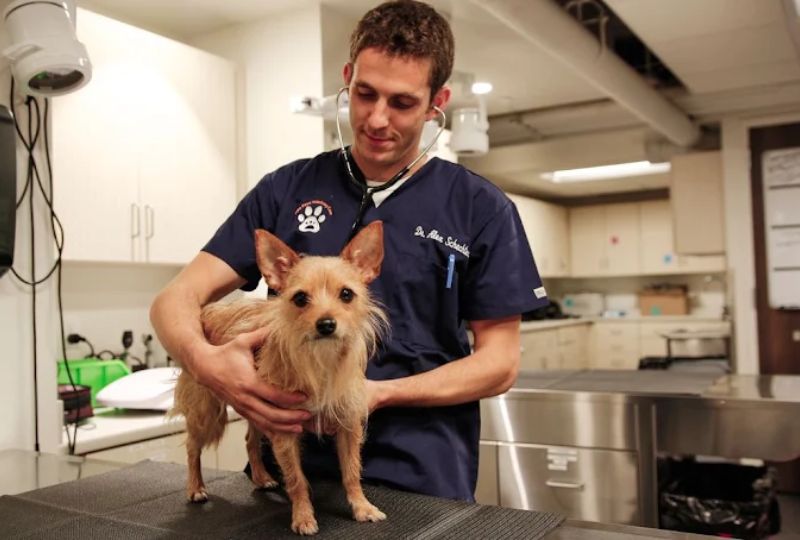
Before administering the euthanasia solution, your dog might be given a sedative to help them relax and lessen any anxiety. This helps keep your dog calm and comfortable throughout the procedure.
Administering the Euthanasia Solution:
A veterinarian typically injects a solution into a vein, usually in your dog’s front leg. This solution contains an anesthetic that first induces a deep sleep in your dog and then gradually stops their heart. The procedure is quick, ensuring your dog passes away peacefully.
Aftercare and Saying Goodbye:
You will have a moment to say your goodbyes before the procedure starts. Many pet owners feel comforted when they stay with their dog, hold them gently, and speak softly during this time.
Supporting Your Dog With End-of-Life Care
Before choosing euthanasia, some pet owners might consider prioritizing end-of-life care to maximize their dog’s comfort. This type of care emphasizes relief and symptom management rather than seeking cures. Here’s how you can support your dog in their last days:
Pain Management:
If your dog is in pain, your veterinarian might prescribe pain relief medications to help keep them comfortable. Depending on your dog’s condition, this could include non-steroidal anti-inflammatory drugs or opioids.
Making Your Dog Comfortable:
Creating a cozy, quiet space for your dog, along with soft bedding, fresh water, and their favorite toys or blankets, can help them feel comfortable in a calm, stress-free environment.
Monitor Their Appetite and Hydration:
Many dogs lose their appetite as they approach the end of life. Offering small, easily digestible meals or tasty treats may encourage eating. Also, keeping your dog hydrated is essential, so offer water regularly and monitor their fluid intake.
Consider In-Home Euthanasia:
For some pet owners, in-home euthanasia may be the most comfortable option. Having the procedure done at home allows your dog to pass away in a familiar, comforting environment.
What to Expect After Euthanasia?
Once the euthanasia procedure is complete, there are a few things to consider for aftercare:
Handling the Body:
After your dog passes away, you must decide whether to bury, cremate, or keep their ashes in a special urn.
Grief and Mourning:
Allow yourself time to grieve and to seek support from friends, family, or professional pet grief counselors.
A Peaceful Goodbye for Your Dog
Saying goodbye to your dog is one of the most difficult decisions a pet owner can face. Deciding to euthanize your pet is never easy, but understanding what happens during the euthanasia process and knowing the available end-of-life care options can help ease the emotional burden. Providing your dog with comfort and dignity during their final moments is one of the most loving and compassionate things you can do for them.
At Pure Paws, we are here to support you through this challenging time. Our team offers gentle, compassionate care to ensure that your dog’s last moments are peaceful and filled with love. We take the time to explain each step of the process, giving you the opportunity to make the best decision for your pet and your family.
If you are considering end-of-life care for your dog, contact us at Pure Paws today. We’re here to help guide you through this heartfelt decision and ensure your pet’s comfort and peace during their final journey.
FAQs
Q1. How long does the euthanasia process take?
Ans. The euthanasia process typically takes only a few minutes. After administering the sedative, the euthanasia solution is given, and your dog passes peacefully within moments.
Q2. Can euthanasia be done at home?
Ans. Yes, many veterinarians provide in-home euthanasia, enabling dogs to die peacefully in a familiar setting surrounded by their loved ones.
Q3. Are there any alternatives to euthanasia?
Ans. Some owners opt for hospice care or palliative treatments if their dog’s condition allows. These options focus on comfort and pain management rather than curative treatments.
Q4. What is the difference between hospice care and euthanasia?
Ans. Hospice care focuses on providing comfort, pain relief, and support for dogs with terminal illnesses. It’s aimed at improving the dog’s quality of life during their final days. Euthanasia is a compassionate way to end a dog’s life when they are suffering and there is no chance of recovery.
Q5. Can my dog’s end-of-life care be managed at home?
Ans. Yes, many pet owners prefer to provide end-of-life care at home, especially with hospice care. Your veterinarian can guide you in making your dog as comfortable as possible, including managing pain and ensuring that they are relaxed in a familiar environment.