Dental problems in dogs can develop quietly. Bad breath or a little tartar may seem minor, but changes in the mouth can indicate gum inflammation, infection, tooth damage, or periodontal disease. Some dogs continue eating despite significant oral discomfort, which makes dental problems easy to overlook.
At Pure Paws Veterinary Care of Hell’s Kitchen, dental health is considered an important part of a dog’s overall wellness. Pet parents in New York should know which changes to monitor and which signs mean it is time to schedule a veterinary examination. Regular dog dentistry service can also help identify oral problems that may not be obvious at home.
What Are the Most Common Dental Problems in Dogs?
Plaque constantly forms on a dog’s teeth. When it is not removed, minerals in saliva can harden it into tartar. Bacteria associated with plaque and tartar can contribute to gingivitis, which is inflammation of the gums. If disease progresses below the gumline, tissues supporting the teeth can become damaged.
Dogs may also develop other oral problems, including:
- Broken, fractured, or loose teeth
- Tooth-root infections
- Retained baby teeth
- Painful or inflamed gums
- Oral growths or masses
- Advanced periodontal disease
Periodontal disease is particularly common. Cornell University reports that studies indicate 80 to 90 percent of dogs older than three have some degree of periodontal disease. Smaller breeds can have a higher risk, and prevalence increases with age.
What Signs Suggest Your Dog Needs a Dental Examination?
Bad breath is often one of the first changes pet parents notice. Persistent unpleasant breath should not simply be considered normal for dogs.
Schedule a veterinary examination if you notice:
- Persistent bad breath
- Red, swollen, or bleeding gums
- Visible tartar buildup
- Excessive drooling
- Pawing or rubbing at the mouth
- Difficulty chewing
- Dropping food while eating
- Reduced interest in hard treats or chew toys
- Loose or damaged teeth
- Changes in appetite or eating habits
Behavior can provide clues too. A dog with oral pain may become less interested in playing, resist having the face touched, take longer to finish meals, or become withdrawn or irritable. These signs can have causes unrelated to dental disease, so a veterinary examination is important rather than assuming the mouth is responsible.
When Does a Dental Problem Need Prompt Veterinary Attention?
Not every dental concern is an emergency. Mild tartar without pain or changes in eating can usually be discussed at a scheduled veterinary visit.
Contact a veterinarian promptly if your dog has significant facial or jaw swelling, bleeding from the mouth, sudden difficulty eating, obvious mouth pain, a badly fractured tooth, or bloody nasal discharge.
Seek urgent veterinary guidance if oral problems occur with severe weakness, breathing difficulty, major trauma, uncontrolled bleeding, or another sudden change in your dog’s overall condition. These symptoms should not be managed with human pain medication unless a veterinarian specifically instructs you to use a particular medication.
How Does a Veterinarian Evaluate a Dog’s Teeth?
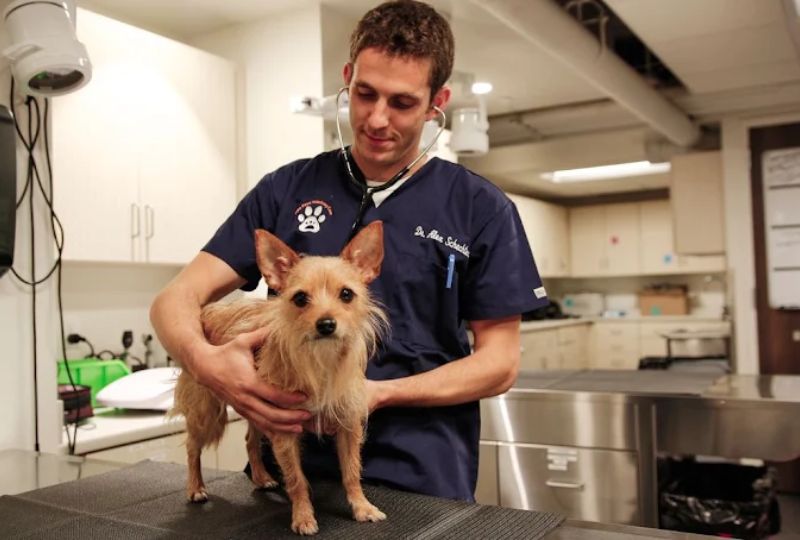
The veterinarian may begin with an awake examination of the mouth, teeth, gums, and surrounding tissues. This can reveal visible tartar, gingivitis, broken teeth, loose teeth, swelling, or other abnormalities.
However, much of a tooth lies below the gumline. A complete dental assessment may therefore require anesthesia, dental probing, charting, and dental X-rays. These tools allow veterinarians to assess tooth roots and supporting structures that cannot be fully evaluated during an awake examination.
Depending on the findings, treatment may involve professional scaling and polishing, periodontal disease treatment, or removal of teeth that cannot be preserved. Recommendations vary according to the individual dog’s oral and overall health.
If you have noticed changes in your dog’s mouth, eating habits, or behavior, visit our veterinary hospital for an evaluation rather than waiting for obvious pain to develop.
Can Dental Problems in Dogs Be Prevented?
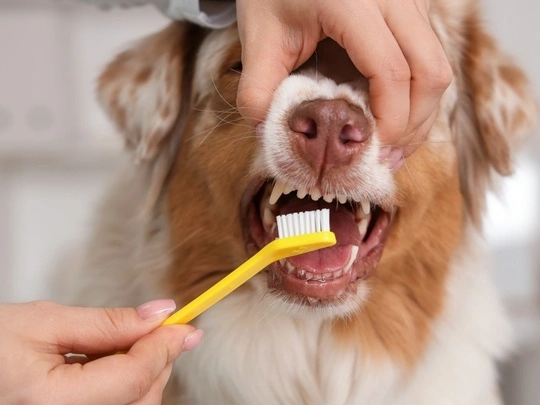
Home dental care can reduce plaque accumulation, although it cannot replace treatment when dental disease is already present. Tooth brushing is considered the most effective form of routine home dental care. Veterinarian-recommended dental diets, chews, or other oral care products may also be useful for some dogs.
Regular dog dentistry examinations remain important because early periodontal disease may exist below the gumline without obvious outward symptoms. Your veterinarian can recommend an oral-care schedule based on your dog’s age, breed, medical history, and current dental condition.
Support Your Dog’s Dental Health With Veterinary Care
Changes such as persistent bad breath, bleeding gums, difficulty chewing, drooling, facial swelling, or damaged teeth deserve attention. Waiting until a dog stops eating can allow an oral problem to progress.
For pet parents in New York and nearby areas who want to protect their dog’s dental hygiene, Pure Paws Veterinary Care of Hell’s Kitchen provides dental evaluations and veterinary dental care. Schedule an appointment to discuss dog dentistry options, preventive oral care, or any changes you have noticed in your dog’s teeth, gums, eating habits, or behavior.
Frequently Asked Questions
1. How often should my dog have a dental examination?
Most dogs benefit from regular dental evaluations as part of their wellness care. Pure Paws Veterinary Care of Hell’s Kitchen can recommend an examination schedule based on your dog’s age, breed, and oral health needs.
2. Is bad breath in dogs always a sign of dental problems?
Persistent bad breath can be a sign of plaque buildup, gum inflammation, or other oral concerns. A veterinary examination can help identify the cause and determine the right care.
3. What happens during a dog dentistry appointment?
A veterinary dental visit may include an oral examination, assessment of the teeth and gums, and recommendations for treatment or preventive care based on your dog’s needs.
4. Can brushing my dog’s teeth prevent dental disease?
Regular tooth brushing can help reduce plaque buildup and support better oral hygiene. However, professional dental evaluations are still important for detecting problems below the gumline.
5. When should I bring my dog in for dental care?
Signs such as bleeding gums, loose teeth, difficulty chewing, drooling, or changes in eating habits should be checked by a veterinarian. Pure Paws Veterinary Care of Hell’s Kitchen can help evaluate these changes and provide appropriate dental care.
6. Why are dental X-rays important for dogs?
Dental X-rays allow veterinarians to examine tooth roots and structures below the gumline that cannot be seen during a regular mouth check. This helps identify hidden dental concerns.
7. Does Pure Paws Veterinary Care of Hell’s Kitchen offer dental care for dogs?
Yes, Pure Paws Veterinary Care of Hell’s Kitchen provides dental evaluations and veterinary dental services to help support your dog’s oral health and overall wellness. Regular care can help address problems before they become more serious.