Pets cannot explain when something feels different. In many cases, the first clue is a small change at home, such as eating less, drinking more, sleeping longer, losing weight, or becoming reluctant to play. Some health conditions can also develop before noticeable symptoms appear. Routine veterinary examinations help identify these changes and determine whether they are related to aging, lifestyle, pain, or an underlying medical problem.
At Pure Paws Veterinary Care of Hell’s Kitchen, pet owners can discuss subtle changes they have noticed and have their pet evaluated. Our veterinarian considers those observations, along with examination findings and, when appropriate, diagnostic testing, to develop a clearer picture of the pet’s health.
How Do Vets Detect Changes in a Pet’s Health?
Health assessment starts with more than looking for obvious illness. The veterinary team compares what is happening now with the pet’s normal behavior, previous examination findings, medical history, and test results.
Pet parents may be asked about changes involving:
- Appetite, thirst, and bathroom habits
- Weight or body shape
- Energy and activity
- Walking, jumping, or climbing stairs
- Vomiting or diarrhea
- Coughing or breathing
- Sleep patterns and behavior
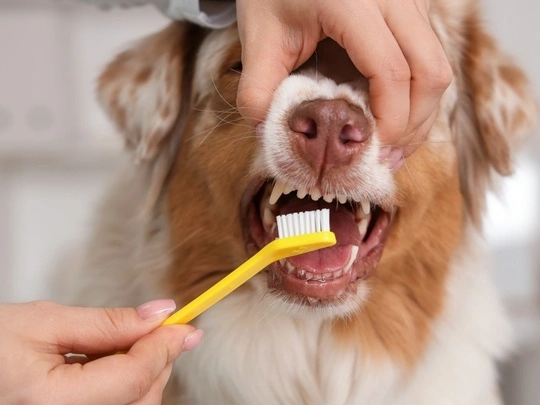
- Skin, coat, ears, and dental health
This history matters because the same symptom can have several possible causes. For example, weight loss can occur alongside digestive disorders, metabolic disease, dental problems, or other conditions. It cannot reliably identify a particular disease on its own.
What Happens During a Veterinary Examination?
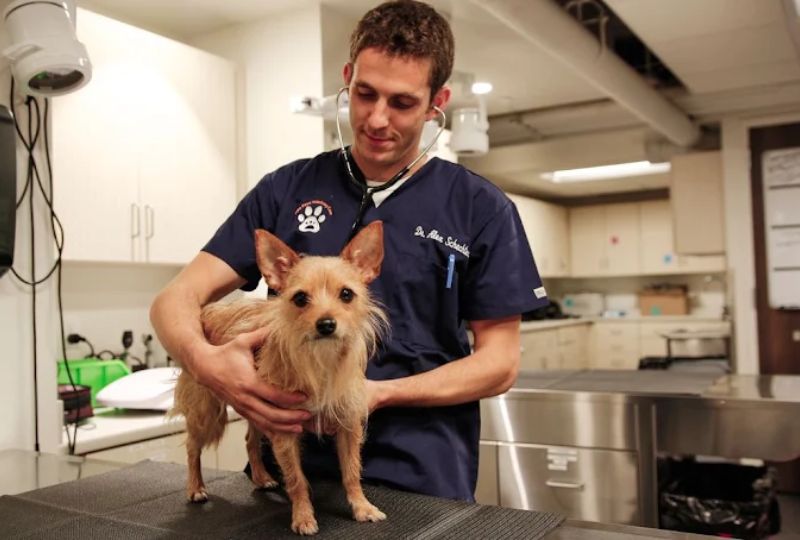
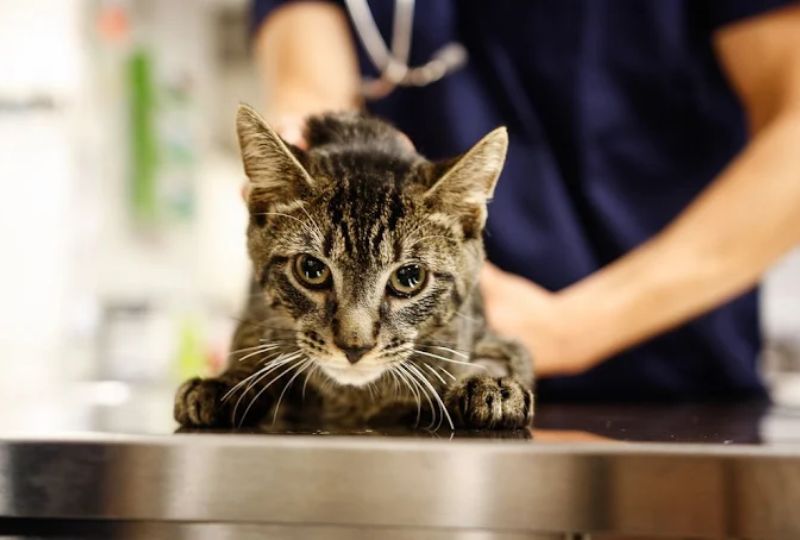
A physical examination allows the doctor to detect changes that pet parents may not notice at home. Depending on the pet, the exam may include checking the eyes, ears, mouth, skin, coat, heart, lungs, abdomen, joints, body weight, muscle condition, and hydration.
Weight and body condition are particularly useful when tracked over time. AAHA recommends considering body weight, body condition, muscle condition, activity, nutrition, and physical findings during routine assessments.
If you have noticed an unexplained change, visit our veterinary hospital so the clinical team can evaluate it rather than relying on symptoms alone.
How Does Diagnostic Testing Help Find Health Problems?
Sometimes a physical examination provides enough information to guide the next step. In other situations, additional tests are needed.
An experienced veterinarian may recommend blood tests, urinalysis, fecal testing, blood pressure measurement, X-rays, ultrasound, or other diagnostics based on the pet’s symptoms, age, medical history, and examination findings.
Blood and urine tests can provide information about organ function, hydration, blood cell counts, glucose levels, and urinary system function. Imaging may be recommended when the medical team needs to examine internal structures more closely.
These tests are not interpreted in isolation. Results are considered alongside symptoms and examination findings because an abnormal value does not always establish a diagnosis on its own.
How Are Changes in a Pet’s Health Managed?
Management depends on the cause of the change. Care could involve medication, nutrition changes, weight management, dental treatment, activity modification, surgery, or continued monitoring.
For chronic conditions, follow-up examinations and repeat testing can show whether the condition is stable or changing. This allows the medical team to determine whether the current plan should continue or needs adjustment. Pet parents should never change prescription doses or give human medications without veterinary guidance.
Which Changes Require Veterinary Attention?
A mild, short-lived change in an otherwise alert pet may sometimes be monitored closely. However, persistent appetite changes, unexplained weight loss or gain, recurring vomiting or diarrhea, increased thirst, changes in urination, persistent coughing, new lumps, ongoing itching, or reduced mobility should prompt a veterinary examination.
Difficulty breathing, collapse, seizures, severe bleeding, major trauma, inability to urinate, or rapidly worsening weakness can require prompt or emergency attention.
Senior pets may need closer monitoring because chronic conditions become more common with age. Changes in appetite, mobility, behavior, thirst, weight, and sleep can provide important clues.
Support Your Pet’s Changing Health Needs in New York
Health changes are easier to address when pet parents and the veterinary team work together. Regular examinations establish useful health information over time, while timely evaluation of new symptoms can help determine whether further testing or treatment is appropriate.
For families in New York and nearby communities, Pure Paws Veterinary Care of Hell’s Kitchen provides veterinary care for pets at different life stages. Dr. Liff and the team can evaluate changes, discuss diagnostic options, and develop an appropriate care plan based on your pet’s individual findings. Schedule an appointment with our veterinarian to stay informed about changes in your pet’s health and determine the next steps for their care.
Frequently Asked Questions
1. What are early signs that my pet’s health may be changing?
Changes in appetite, weight, thirst, urination, activity, sleep, mobility, or behavior may indicate that something has changed. These signs can have many causes, so persistent or unexplained changes should be evaluated.
2. How often should my pet have a health examination?
The appropriate schedule depends on age, health history, lifestyle, and existing conditions. Healthy adults commonly receive routine wellness evaluations, while senior pets and animals with chronic conditions may need more frequent monitoring.
3. Can blood tests detect health problems before symptoms appear?
Blood testing can reveal certain abnormalities before a pet develops obvious outward signs. Results may help assess blood cell counts, glucose levels, and organ-related values, but they must be interpreted alongside the pet’s examination and history.
4. Should I worry if my pet suddenly starts drinking more water?
A noticeable increase in thirst can occur with several medical conditions, including diabetes and kidney or hormonal disorders. Keep track of changes in drinking and urination, and arrange an examination if the changes persist.
5. Are behavior changes sometimes related to medical problems?
Yes. Pain, illness, cognitive changes, stress, and other problems can affect behavior. New withdrawal, irritability, restlessness, altered sleep, or reduced interaction deserves attention, particularly when other symptoms are present.
6. How can pet parents help detect health changes early?
Observe your pet’s normal eating, drinking, bathroom, activity, and sleeping patterns. Regular weight checks and routine examinations provide useful reference points, making unusual changes easier to recognize and discuss with the veterinary team.