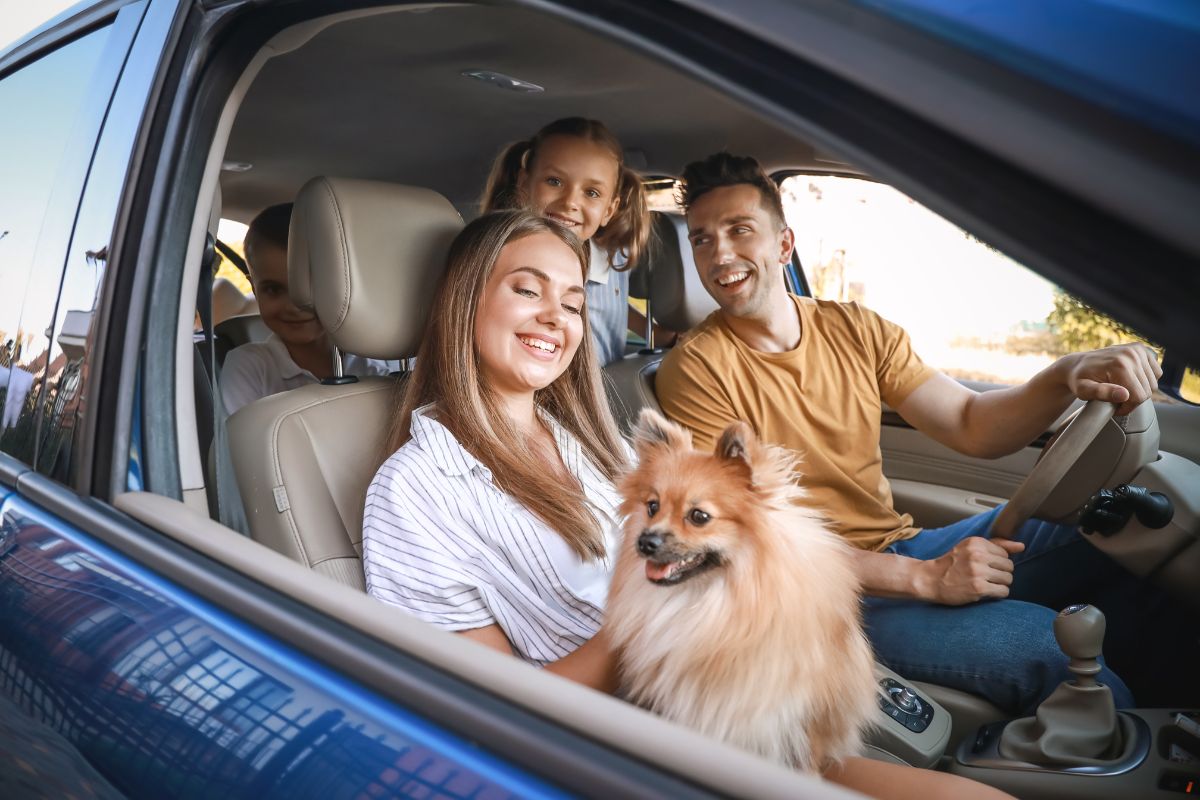
For some dogs, the mere sight of the car keys sends shivers down their spines (or tails), not from excitement but from the looming threat of car sickness. If your furry friend suffers from this unpleasant condition, you’re likely searching for solutions. Let’s explore what can help your dog conquer car sickness and enjoy the open road.
Understanding Canine Car Sickness
Car sickness in dogs stems from a few factors. Primarily, it’s related to the inner ear’s vestibular system, which controls balance. When a dog’s inner ear senses motion that doesn’t match what their eyes see, it leads to confusion and nausea. Anxiety can also play a significant role, especially if previous car rides were negative experiences.
Recognizing the Signs
Before the full-blown throw-up occurs, you’ll likely notice some telltale signs:
- Excessive drooling
- Panting or heavy breathing
- Restlessness or pacing
- Lip licking or swallowing
- Whining or vocalizing
- Trembling or shaking
- Lethargy or inactivity
Is There Anything to Help Dogs with Car Sickness?

Yes, there are several ways to help dogs with car sickness, from practical tips like gradual acclimation and comfortable positioning to medical solutions like anti-nausea or anti-anxiety medications. Consulting with a veterinarian is recommended to determine the best approach for your dog’s needs and rule out any underlying medical conditions.
- Gradual Acclimation: Begin with short car rides around the block and gradually increase the duration over time. Make these initial trips positive experiences with treats and praise.
- Create a Comfortable Environment: Open a window slightly to ensure good ventilation. Keep the car calm and quiet. Use a comfortable dog bed or crate for stability.
- Strategic Feeding: Avoid feeding your dog a large meal before a car ride. A light meal a few hours prior is preferable.
- Positioning Matters: If possible, have your dog face forward in a crate or harness. This helps them align their visual and vestibular senses.
- Frequent Stops: Take breaks every 20-30 minutes to allow your dog to stretch their legs and get fresh air.
- Distraction Techniques: Offer a favorite toy or a calming chew to keep your dog occupied.
Medical Solutions
If practical tips don’t provide sufficient relief, consider these medical options:
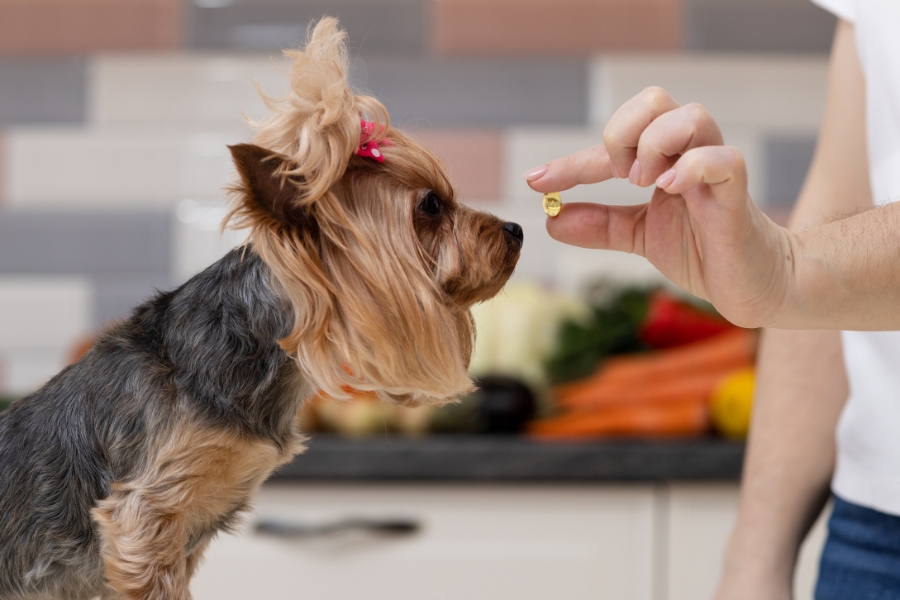
- Anti-Nausea Medications: Your veterinarian can prescribe medications to prevent dog motion sickness. These are often most effective when given before the car ride.
- Anti-Anxiety Medications: If anxiety is a primary factor, your vet might recommend anti-anxiety medications to calm your dog’s nerves.
- Natural Remedies: Some pet owners find relief using natural remedies like ginger or calming herbal supplements. Always consult with your veterinarian before trying any new supplements.
Behavioral Modification
For dogs with anxiety-related car sickness, behavioral modification techniques can be helpful:
- Counter-Conditioning: Associate positive experiences with the car. For example, feed your dog treats near the car, then inside the vehicle (without driving), and gradually progress to short drives.
- Desensitization: Gradually expose your dog to the car environment, starting with just sitting in the parked car and gradually increasing the time spent inside.
If your dog’s car sickness is severe or doesn’t improve with these strategies, consult your veterinarian. They can rule out any underlying medical conditions and recommend the most appropriate action.
With patience, persistence, and the right approach, you can help your dog overcome car sickness and make car rides a more enjoyable experience for both of you. If you are looking for a prominent walk-in vet near you in Clinton Hill, Brooklyn, Dr. Katie Wexler, DVM, is the answer.