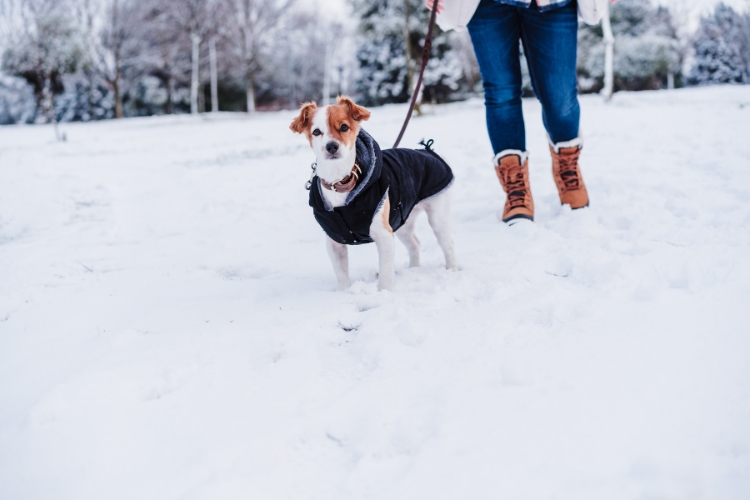
Winter in NYC means icy and slushy sidewalks and heavy use of sidewalk salt. From Tribeca and SoHo to Hudson Square and the West Village, city streets are heavily treated with de-icing chemicals that can irritate your dog’s paws and cause dangerous ingestion if licked.
Because dogs walk directly on treated sidewalks, NYC pet owners must take winter paw care seriously for urban dogs.
NYC veterinarians commonly treat winter-related paw injuries, including:
· Cracked paw pads
· Chemical burns
· Inflamed skin between toes
· Excessive licking and chewing of the feet
· Limping after winter walks
After walking on treated sidewalks, dogs tend to lick their paws. But repeated ingestion of sidewalk salt and ice melt chemicals can lead to:
· Vomiting
· Diarrhea
· Excessive thirst
· Drooling
· Lethargy
· Tremors
In severe cases, salt ingestion can cause electrolyte imbalances and dehydration requiring emergency veterinary care.
How to Protect Your Dog’s Paws During Winter Walks in NYC
Wipe Paws After Every Walk: Use pet-safe wipes or a damp cloth to clean paws after walks — especially important after trips through busy Manhattan streets.
Use Dog Booties: Booties provide a barrier against sidewalk chemicals and cold surfaces. They’re ideal for dogs that walk frequently or have sensitive skin.
Apply paw balm: Protective paw wax helps shield pads from salt damage and cracking.
Choose walking routes without salt treatment: Whenever possible, walk on less-treated side streets, park paths, or grassy areas.
Use pet safe Ice Melt: For apartment building entrances and stoops, choose pet-safe ice melt and still wipe paws after outdoor exposure.
What to do if your dog eats salt or Ice Melt:
If you think your dog consumed sidewalk salt:
· Provide fresh water immediately
· Prevent additional licking
· Monitor for symptoms
· Contact your veterinarian or local emergency clinic if symptoms develop
Early treatment prevents serious complications.
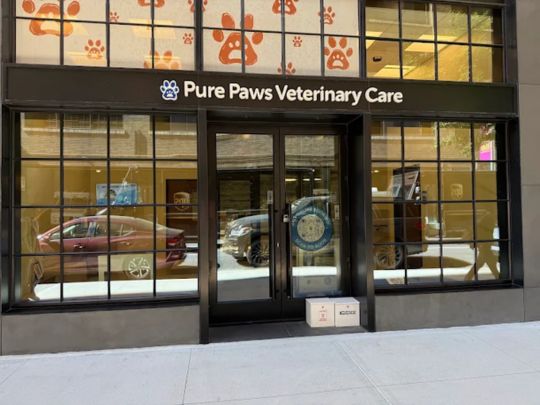
At Pure Paws Veterinary Care in Hudson Square, we see many cases of winter-related paw irritation, chemical burns, and salt ingestion. Our team is here to help keep your pet safe, comfortable, and healthy throughout the winter season.
If your dog is limping, licking their paws excessively, or showing digestive symptoms after winter walks, schedule an exam today — early care leads to faster relief.