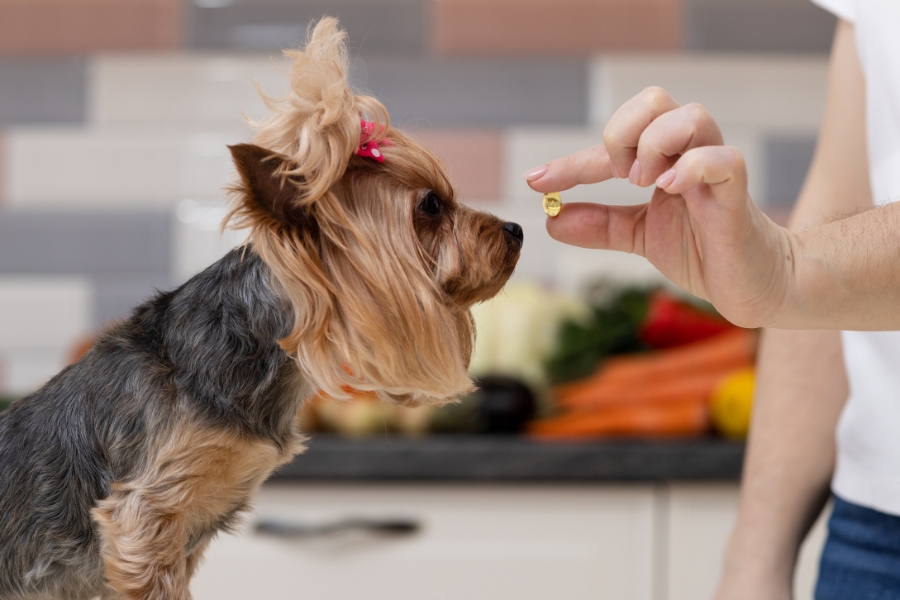
As a pet owner, one of the more challenging aspects of caring for your dog is giving them medication, especially pills. Whether it’s for a chronic condition or a one-time treatment, getting your dog to swallow a pill can be a tricky task. Fortunately, with the right approach and some patience, you can make the process much easier for both you and your furry friend. In this step-by-step guide, we’ll show you how to properly give your dog a pill and share helpful tips to ensure the process is stress-free.
1. Understand Why Your Dog Needs the Pill
Before diving into how to give your dog a pill, it’s important to understand the necessity of the medication. Whether it’s for an infection, pain management, or a long-term health condition, knowing the purpose of the pill will help you stay calm and focused during the process. Your veterinarian can provide specific instructions on the timing and dosage, so always follow their advice.
2. Prepare the Pill and Equipment
Make sure you have everything ready before trying to administer the pill. Gather the following items:
- The pill or medication prescribed by your veterinarian
- A pill dispenser (optional, but helpful)
- A treat or food to help disguise the pill
- A towel (to help keep your dog calm and secure)
Having these items on hand will streamline the process and help reduce stress for both you and your dog.
3. Choose the Right Time
Timing is key when giving your dog a pill. Choose a calm moment, such as after a walk or during their regular mealtime, when your dog is relaxed. Avoid giving the pill when your dog is overly energetic, anxious, or distracted, as they may be more difficult to handle.
4. Hide the Pill in Food or a Treat
One of the easiest ways to give a dog a pill is by hiding it in food or a treat. Many dogs will happily swallow a pill if it’s hidden inside something tasty. Consider using:
- Peanut butter (ensure it’s xylitol-free)
- Cheese (a soft, pill-friendly option)
- A pill pocket (specifically designed treats with a hole for the pill)
- A small piece of hot dog or deli meat
Make sure the treat is large enough to hide the pill completely. If your dog tends to chew their treats carefully, make sure the pill is fully concealed to avoid detection.
5. The “Hand-Administered” Method
If hiding the pill doesn’t work, you’ll need to administer the pill manually. Here’s how to do it:
- Get a Firm Hold: Gently but firmly hold your dog’s head. You can do this by placing one hand under their chin and using the other hand to gently lift their upper jaw.
- Open the Mouth: With your thumb and forefinger, open your dog’s mouth by pressing on their upper jaw. This may require a bit of patience, but it’s important not to force it, as this could stress them out.
- Place the Pill: Place the pill at the back of your dog’s throat, near the soft part of the roof of their mouth. This helps to ensure they swallow it rather than spit it out.
- Close the Mouth: Quickly close your dog’s mouth, and gently massage their throat or blow lightly on their nose to encourage swallowing.
- Reward Them: Immediately after giving the pill, reward your dog with praise or a treat to help create a positive association with the experience.
6. Use a Pill Popper (Pill Dispenser)
If your dog is particularly tricky to handle, a pill popper or dispenser can be an excellent tool. These devices allow you to place the pill at the back of your dog’s throat with minimal fuss. Follow these steps:
- Load the pill into the dispenser.
- Gently open your dog’s mouth and use the dispenser to place the pill at the back of the throat.
- Close the mouth and follow up with a treat to encourage swallowing.
A pill popper is especially useful if your dog is uncooperative or if they tend to spit pills out.
7. Monitor Your Dog After Administration
After your dog has taken the pill, keep an eye on them for a few minutes to ensure they swallowed it. Some dogs may try to spit the pill out after you leave the room, so it’s a good idea to stay close for a few minutes to make sure it’s gone. If the pill is not swallowed, repeat the process using a different method or consult your veterinarian.
8. Stay Calm and Be Patient
Giving your dog a pill can be stressful, especially if your dog resists. It’s important to stay calm and patient during the process. Dogs can pick up on your emotions, so if you’re feeling anxious or frustrated, your dog may become nervous too. Take a deep breath, go slow, and try again if necessary. Remember, practice makes perfect, and over time, your dog may become more accustomed to taking pills.
Knowing how to properly give your dog a pill is an essential skill for pet owners. With the right techniques, patience, and a little creativity, you can make this process easier and less stressful for both you and your dog. If you’re ever unsure or need help, don’t hesitate to consult with a veterinarian. They can provide additional tips and guidance to ensure your dog receives their medication safely and effectively.
FAQs
Q1. How can I hide a pill in food?
Ans. You can hide a pill in soft foods like peanut butter, cheese, or pill pockets. Make sure the pill is fully concealed so your dog doesn’t detect it.
Q2. What should I do if my dog refuses to take the pill?
Ans. If your dog refuses to take the pill, try a different method, such as using a pill popper or administering the pill by hand. You can also consult your vet for alternative medication options.
Q3. How can I make pill time easier for my dog?
Ans. Make pill time a positive experience by rewarding your dog with treats and praise. Consistency and patience are key.
Q4. Can I crush the pill and mix it with food?
Ans. Some pills can be crushed and mixed with food, but it’s important to check with your veterinarian first. Some medications lose their effectiveness when crushed.
Q5. Should I give my dog water after taking a pill?
Ans. Giving your dog water after administering a pill can help ensure they swallow it completely. Some dogs may need a little encouragement to drink.
Q6. What if my dog spits out the pill?
Ans. If your dog spits out the pill, repeat the process or try using a pill dispenser. If this continues to happen, contact your veterinarian for advice.