Is your cat sneezing more often than usual? This could be a sign of allergies, triggered by environmental factors or dietary changes. Recognizing the signs and understanding what might be causing them can help you find effective ways to reduce your cat’s discomfort and enhance their overall well-being.
What Are Cat Allergies?
Cats can suffer from allergies just like humans, with symptoms like sneezing, itching, watery eyes, and coughing. Common environmental triggers include pollen, dust mites, and mold, as well as food allergies, flea bites, and certain cleaning products, which can also cause allergic reactions in cats. For those living in New York, seasonal changes often increase pollen levels, which can worsen cats’ allergy symptoms.
“As with people, cats can have seasonal reactions to environmental allergens such as pollen, especially in places like New York, where these allergens tend to peak in the spring and fall,” says Dr. Liff.
It’s essential to monitor your cat for other symptoms to help determine if their sneezing is due to allergies or another condition.
Common Causes of Cat Allergies
Several triggers can lead to cat allergies, with some of the most common being:
- Environmental Allergens: Pollen, mold, dust mites, and air pollution can trigger allergic reactions in cats. In a busy environment like New York, ongoing exposure to these allergens can intensify symptoms.
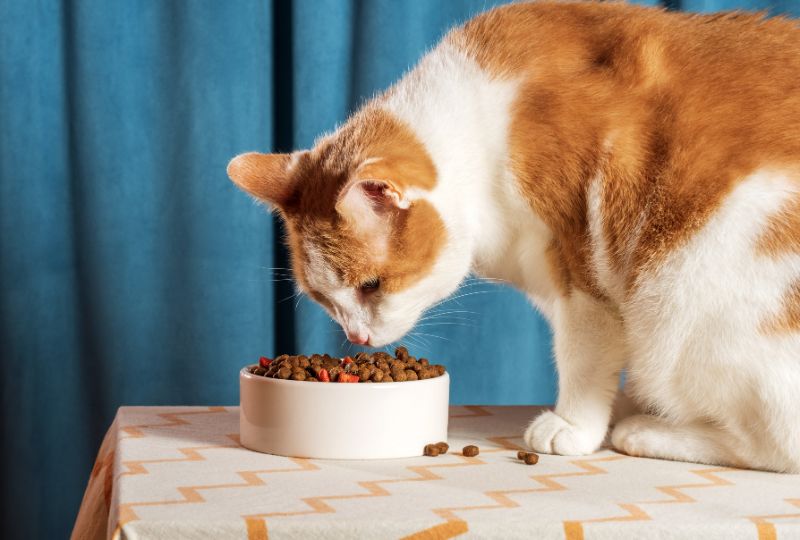
- Food Sensitivities: Cats can be allergic to certain ingredients in their food, such as chicken, beef, or grains. These allergies may cause sneezing, vomiting, and digestive problems.
- Flea Allergies: Even a small flea bite can trigger a strong allergic reaction in some cats. Flea saliva can cause itching, sneezing, and skin irritation.
- Respiratory Infections: Conditions like feline viral rhinotracheitis (FVR), a herpesvirus infection, can mimic allergy symptoms but are treatable with antiviral medications.
“Some cat breeds, such as Persians, are more vulnerable to environmental allergies because of their brachycephalic structure. Their flat faces increase the likelihood of sinus and respiratory issues,” says Dr. Kurtzman.
Symptoms of Cat Allergies
If you notice your cat exhibiting any of the following, it could be a sign of allergies:
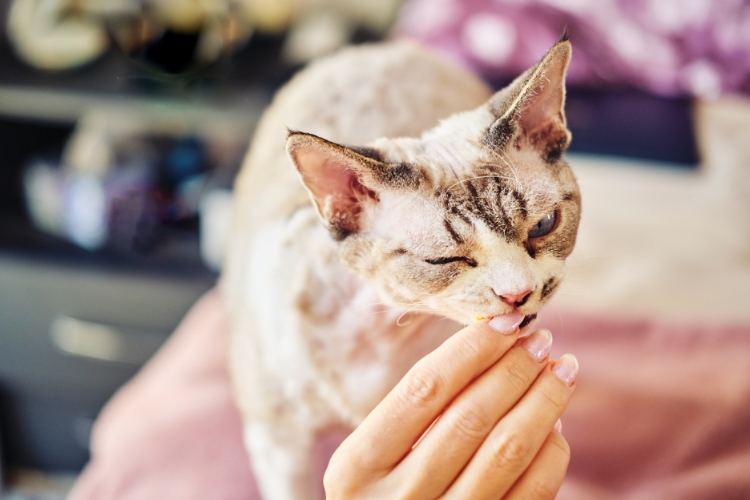
- Itchy Skin: Excessive grooming, biting, or scratching, especially around the ears or face, can be signs of an allergic reaction.
- Watery Eyes: Cats with allergies often have watery, red, or inflamed eyes. You might also notice your cat pawing at their eyes or squinting.
- Runny Nose: A runny or congested nose is a classic sign of allergies. Clear discharge is common, but it may turn yellow or green if a bacterial infection is also present.
- Coughing or Wheezing: Asthma, often triggered by allergens, can lead to coughing, wheezing, and difficulty breathing.
- Lack of Appetite: Cats with allergies may lose their appetite due to discomfort from sneezing, itching, or breathing problems.
“Bengals are especially sensitive to food allergens and may show gastrointestinal symptoms such as vomiting and diarrhea, as well as sneezing and itching. It’s important to manage food sensitivities in breeds like these,” says Dr. Liff.
Diagnosing Cat Allergies
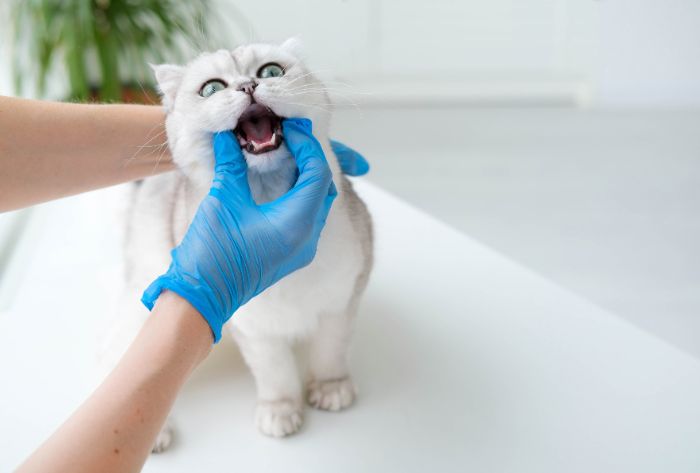
To determine whether cat allergies cause your cat’s sneezing, your veterinarian will need to perform a thorough examination. They will look for signs of respiratory distress, ear infections, and skin conditions. Diagnostic tests might include:
- Blood Tests: Blood tests can help identify allergens in your cat’s system, such as food sensitivities or environmental allergies.
- Skin Tests: Skin testing can pinpoint which specific environmental allergens your cat is allergic to, such as pollen, dust, or mold.
- Fecal Tests: Fleas or intestinal parasites can cause allergic reactions. Fecal tests help rule out any parasitic infestations.
“For breeds like the Siamese, it is important to also monitor for respiratory issues such as asthma, which allergens can worsen. Their sensitivity may make it difficult to tell the difference between symptoms caused by asthma and those related to allergies,” adds Dr. Kurtzman.
Treatment Options for Cat Allergies
Once your veterinarian identifies the cause of your cat’s allergies, they will recommend an appropriate treatment plan. Here are some common treatments for cat allergies:
- Antihistamines: These medications can block the histamines that cause sneezing, itching, and watering eyes. Your vet may recommend a dose based on your cat’s size and symptoms.
- Corticosteroids: In severe allergic reactions, corticosteroids can reduce inflammation and control symptoms. However, these should only be used under veterinary supervision due to potential side effects with long-term use.
- Flea Control: If fleas are the cause of your cat’s allergies, your vet will recommend effective flea prevention and treatment to eliminate fleas and prevent future infestations.
- Hypoallergenic Diets: For cats with food allergies, your veterinarian may recommend a special hypoallergenic diet to help identify and eliminate allergens.
- Immunotherapy: In some cases, your vet may suggest allergy shots to help your cat build resistance to specific allergens over time.
“Managing food allergies in breeds like the Abyssinian requires a special diet that removes common allergens like chicken or dairy. An elimination diet is usually the most effective method for identifying these sensitivity triggers,” says Dr. Kurtzman.
Managing Cat Allergies in New York
Living in a busy, urban environment like New York, where allergens like pollen, dust, and pollution are high, can exacerbate your cat’s allergic symptoms. Fortunately, there are several ways to reduce allergen exposure:
- Limit Outdoor Time: During peak allergy seasons, try to keep your cat indoors as much as possible to reduce exposure to pollen and other airborne allergens.
- Use HEPA-filtered air purifiers: They can help reduce pollen, dust, and mold in your home, providing relief for you and your cat.
- Clean Regularly: Use allergy-reducing products to clean your cat, and wash your cat’s bedding frequently to remove allergens such as dust, mold, and pet dander.
- Regular Vet Checkups: In New York, routine veterinary visits can help keep your cat’s allergies under control, especially as environmental allergens fluctuate.
Taking Control of Cat Allergies
Managing cat allergies means identifying triggers, taking preventive steps, and following treatment. Staying proactive and working with your vet can prevent sneezing from becoming a bigger issue. Regular check-ups and proper treatments help reduce discomfort and improve your cat’s health.
If your cat is sneezing or showing other signs of cat allergies, contact us at Pure Paws Veterinary Care to help identify what’s triggering your cat’s allergies and create a personalized treatment plan, ensuring your furry friend stays comfortable and happy.
FAQs
Q1. What should I do if my cat is constantly sneezing?
Ans. If your cat is sneezing often, it may be a sign of allergies or other health problems. Take your cat to the veterinarian for a detailed exam and potential diagnostic tests.
Q2. Are there natural remedies for cat allergies?
Ans. Some natural remedies, like using air purifiers, avoiding allergens, and maintaining a healthy diet, can help manage mild allergy symptoms. However, effective treatment usually requires medications prescribed by a veterinarian.
Q3. Can food allergies cause sneezing in cats?
Ans. Yes, food allergies can cause sneezing, vomiting, diarrhea, and skin irritation. If food allergies are suspected, your vet may recommend an elimination diet to identify the allergen.
Q4. How can I reduce my cat’s exposure to allergens?
Ans. You can minimize your pet’s exposure to pollen by keeping your cat indoors during high-pollen seasons. Using air purifiers and regularly cleaning your home to remove dust and pet dander can also help create a healthier environment for both you and your cat.
Q5. Can my cat develop allergies later in life?
Ans. Cats can develop allergies at any age. If your cat suddenly starts sneezing or exhibits other allergy symptoms, it is essential to visit your veterinarian for an evaluation.