Your pet seems perfectly fine, eating well, playing normally, and acting like themselves. So why does a wellness exam even matter? Here’s the uncomfortable truth: many serious conditions in dogs and cats develop silently, showing no outward signs until they’ve already progressed.
By the time symptoms appear, the window for easy intervention is often gone. A wellness exam catches what daily observation simply cannot.
If you’re a pet owner in New York, this blog is especially for you to learn why you need to consult a vet near you today. Understanding what happens during a wellness exam, and why it’s far more than a quick once-over, can change how you think about your pet’s care.
Schedule a visit with Pure Paws Veterinary Care today and take the first step in proactively keeping your pet happy and healthy.
A Wellness Exam is More Than a Routine Checkup
There’s a common misconception that wellness exams are only necessary when something seems wrong. In reality, they’re designed specifically for when everything appears normal. Veterinarians are trained to identify subtle deviations that fall outside the range of typical, healthy function, and those deviations often tell a story before symptoms ever begin.
A thorough wellness exam covers far more than most pet owners realize. From lymph node palpation to eye pressure assessment, each step is deliberate and connected.
What a Full Wellness Exam Actually Includes
- Weight and body condition scoring: Weight changes, even small ones, can indicate metabolic shifts, early organ disease, or nutritional imbalances that deserve closer attention.
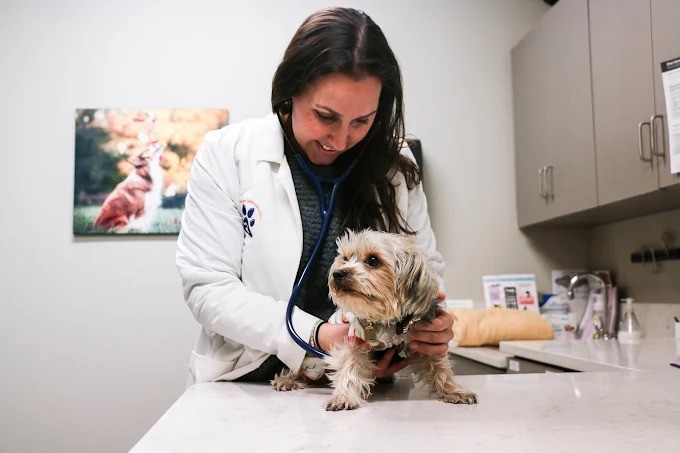
- Heart and lung auscultation: Listening with a stethoscope detects murmurs, arrhythmias, and abnormal lung sounds that are completely inaudible to the untrained ear.
- Lymph node palpation: Enlarged or firm lymph nodes can be early indicators of infection, inflammation, or, in some cases, cancer, long before a pet shows any visible signs of illness.
- Abdominal palpation: Feeling the organs of the abdomen helps detect enlargement, irregular texture, masses, or areas of tenderness that might otherwise go unnoticed.
- Skin, coat, and ear evaluation: Skin changes, hair loss patterns, ear odor, and discharge can all point toward allergies, hormonal imbalances, or infections.
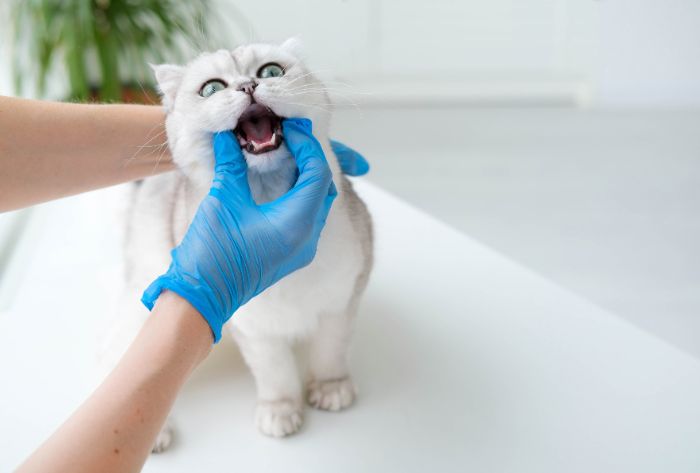
- Eye and dental assessment: Early signs of glaucoma, cataracts, periodontal disease, and oral masses are frequently identified during wellness exams before they become obvious.
Bloodwork Tells the Story the Body Hides
Physical examination has its limits. Many conditions, such as kidney disease, liver dysfunction, diabetes, thyroid disorders, and anemia, don’t produce visible changes until they’ve been present for months. Bloodwork is what bridges that gap.
A standard wellness blood panel typically includes a complete blood count (CBC) and a blood chemistry profile. Together, these two tests assess red and white blood cell counts, platelet levels, kidney and liver values, blood sugar, electrolytes, and protein levels, all of which give veterinarians a baseline and, over time, a trend to follow.
Why Baseline Bloodwork Early in Life Matters
Running bloodwork on a young, healthy pet is strategic, helping establish what “normal” looks like for a specific animal and making it far easier to detect meaningful changes later.
- Early kidney disease detection: Creatinine and BUN levels can indicate declining kidney function well before a pet shows clinical signs such as increased thirst or weight loss.
- Elevated liver enzymes: Elevated ALT or ALP values often appear months before a pet shows any signs of liver compromise, allowing for early dietary and medical intervention.
- Thyroid screening in older cats: Hyperthyroidism is one of the most common conditions in senior cats and is almost always identified through bloodwork before owners notice weight loss or restlessness.
- Glucose monitoring: Early-stage diabetes may present with a mild elevation in blood glucose, easy to catch on routine panels, yet easy to miss without them.
Urinalysis Fills in What Blood Tests Miss
Bloodwork and urinalysis work as a team. While blood panels reflect organ function systemically, urine analysis gives a more direct window into kidney health, hydration status, and the presence of infection, crystals, or early protein leakage.
Protein in the urine, a condition called proteinuria, is one of the earliest indicators of kidney damage. It often appears before blood values move outside normal ranges. For cats, especially, catching proteinuria early can make a meaningful difference in slowing disease progression.
Blood Pressure Monitoring Is Frequently Overlooked
Hypertension in pets is more common than most owners realize, and it rarely presents with obvious symptoms. High blood pressure causes damage to the kidneys, eyes, heart, and brain over time, and in cats, it’s a leading cause of sudden blindness.
Regular blood pressure checks during wellness visits are particularly important for senior pets, those with known kidney disease, and cats diagnosed with hyperthyroidism. A simple, non-invasive cuff measurement takes less than a few minutes and can reveal a problem that changes the entire treatment approach.
Conditions That Blood Pressure Monitoring Helps Detect
- Secondary hypertension from kidney disease: Kidney dysfunction and high blood pressure fuel each other in a damaging cycle that accelerates without intervention.
- Hypertensive retinopathy: Damage to the blood vessels in the eyes caused by chronic high pressure, which can lead to retinal detachment and blindness.
- Cardiac hypertrophy: Sustained high blood pressure forces the heart to work harder, leading to thickening of the heart walls over time.
Parasite Screening Protects More Than You Might Think
Heartworm, intestinal parasites, and tick-borne diseases are often screened during wellness visits, and for good reason. Many of these infections are asymptomatic in early stages, and some, particularly heartworm, cause irreversible damage before symptoms ever appear.
Annual heartworm testing is recommended even for pets on preventative medication, as no preventative offers 100% protection. Fecal testing for intestinal parasites is equally important, especially in households with children or immunocompromised individuals, since several common parasites are zoonotic.
What Parasite Panels Typically Screen For
- Heartworm disease: A blood antigen test detects the presence of adult heartworms, a condition that is preventable but difficult and costly to treat once established.
- Intestinal parasites: Roundworms, hookworms, whipworms, and Giardia are identified through fecal examination and can affect both pet health and human household members.
- Tick-borne diseases: Lyme disease, Anaplasmosis, and Ehrlichiosis are screened via combination panels, especially important for pets with outdoor exposure in tick-heavy regions.
Vaccines and Preventatives Are Timed Strategically
Wellness visits are also when veterinarians review and update vaccination schedules, not as a formality, but as a calculated approach to immunity. Not every pet needs every vaccine every year. A wellness visit allows for individualized risk assessment based on lifestyle, geographic exposure, and age.
Getting that assessment right makes vaccination more effective and better suited to each pet.
How Often Your Pet Actually Needs a Wellness Exam
- Puppies and kittens: Every 3–4 weeks until about 16 weeks of age to complete the vaccine series and monitor development.
- Adult pets (1–7 years): Annual wellness exams are the standard recommendation for healthy adults with no known conditions.
- Senior pets (7+ years): Twice-yearly exams are generally advised, as health can change significantly within a six-month window for older animals.
- Pets with chronic conditions: More frequent monitoring is usually built into their care plan based on the condition being managed.
Your Pet’s Health Deserves a Closer Look
Prevention is more effective than treatment, especially in veterinary medicine. Wellness exams are crucial for early detection, providing veterinarians with the data needed to address problems while they’re most manageable. Missing these exams isn’t just skipping a checkup; it means losing the opportunity for easy interventions.
If you’re in New York trying to find a reliable veterinarian near you to schedule your pet’s wellness visit, book an appointment with Pure Paws Veterinary Care today. Our team will walk through every finding with you clearly, explain what it means for your pet specifically, and help you build a care plan that keeps them healthier for longer. You won’t leave with more questions than you came in with.
Pure Paws Veterinary Care is available to pet owners across Hell’s Kitchen, Clinton Hill, and Hudson Square. Our clinic is equipped to handle everything from first puppy visits to senior wellness panels, and scheduling is straightforward. Your pet’s next checkup is closer than you think.
FAQs
Q1: Can a wellness exam detect cancer in dogs and cats before symptoms appear?
Yes. Lymph node palpation, abdominal assessment, and changes in bloodwork can all flag early indicators of certain cancers, prompting follow-up imaging or biopsies before clinical signs develop.
Q2: How is a senior pet wellness exam different from a standard annual visit?
Senior exams typically include bloodwork, urinalysis, blood pressure measurement, and thyroid screening as standard components, not optional add-ons, because age-related organ changes require more consistent monitoring than those in younger pets.
Q3: Should bloodwork be done on a young, healthy pet who shows no symptoms at all?
Absolutely. Establishing a personal baseline while a pet is healthy makes future comparisons meaningful. A value that deviates from that individual’s norm carries more diagnostic weight than one that compares against a generic population average.
Q4: How does proteinuria in urine relate to kidney disease in cats specifically?
Protein leaking into urine is one of the earliest detectable signs of kidney damage in cats, often appearing before blood values shift, making urinalysis a critical part of early kidney disease screening in felines.
Q5: What happens if a murmur is found during a routine wellness exam in an otherwise healthy dog?
The vet will grade the murmur, assess for related symptoms, and may recommend chest X-rays or a cardiac ultrasound to evaluate heart structure, helping determine whether monitoring or treatment is the right next step.