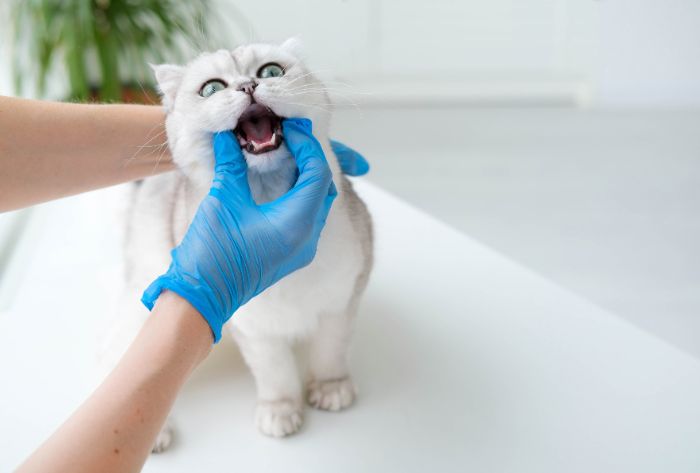
Persistent scratching, hair loss, or inflamed skin can serve as early signs of allergies in cats. These symptoms often develop gradually and may be mistaken for regular grooming or seasonal changes, which can delay proper treatment. Cat dermatology is crucial in pinpointing the underlying cause of such skin reactions before they lead to ongoing discomfort that becomes increasingly difficult to address and manage effectively.
Understanding Feline Skin Allergies
Skin allergies in cats occur when their immune system reacts to substances it perceives as harmful. These reactions trigger inflammation that compromises the skin barrier, resulting in symptoms such as itching, redness, and irritation. Veterinarians specializing in feline skin health work to identify the causes of these allergic responses and develop treatment plans that control symptoms without simply covering them up.
Cats living in New York often face exposure to indoor allergens throughout the year due to factors such as apartment living, the use of recycled air systems, and shared spaces. Since cats groom themselves frequently, these allergens can easily spread over the entire body, causing widespread skin reactions rather than localized problems.
Common Allergy Types in Cats
Feline skin allergies usually fall into several categories, with each type presenting differently. Common allergy types include:
- Flea Allergy Dermatitis: A reaction to flea saliva, causing intense itching
- Food Allergies: Sensitivities to specific proteins or ingredients
- Environmental Allergies: Responses to dust, pollen, or mold
- Contact Allergies: Reactions to materials like fabrics or cleaning agents
Although these allergies may appear similar at first, they require different management strategies. Recognizing the trigger can help lower flare-ups and avoid repeated skin damage.
Recognizing Allergy Symptoms
Cats don’t frequently display discomfort in obvious ways, and skin allergies often manifest through subtle behavioral and physical changes. Veterinary evaluations of feline skin conditions concentrate on these early warning signs to ensure timely detection and treatment.
Common signs include:
- Excessive scratching or licking
- Patchy hair loss
- Red or thickened skin
- Scabs or open sores
- Recurrent ear irritation
Symptoms can fluctuate, causing delays in care. Persistent or worsening signs indicate an underlying allergy that requires assessment, not just temporary relief.
Diagnostic Approach and Evaluation
In cat dermatology, professionals depend on thorough examinations and a systematic approach rather than making assumptions. Skin evaluations play a critical role in ruling out infections, parasites, and systemic health issues before moving on to identify allergies.
Diagnostic methods may include:
- Detailed skin and coat examination.
- Flea prevention response monitoring.
- Dietary trials to identify food sensitivities.
- Environmental assessment for seasonal patterns.
Treatment and Management Options
Managing skin allergies requires a customized approach that considers the specific type and severity of the allergy. Treatment for skin conditions caused by allergies aims to reduce inflammation and protect the skin’s natural barrier. It also involves minimizing exposure to triggers that could worsen the condition.
Treatment plans may involve:
- Flea control strategies
- Prescription diets for food sensitivities
- Medications to reduce inflammation
- Topical therapies to soothe irritated skin
Long-term management often combines multiple strategies, and adjustments may be needed as seasons change or new allergens emerge. Consistency is key to maintaining skin health and comfort.
Supporting Long-Term Skin Health
Cat dermatology emphasizes long-term strategies to prevent flare-ups rather than simply responding when symptoms become apparent. Regular monitoring of the cat’s skin health enables early detection of changes, allowing adjustments to treatment plans before discomfort worsens.
Keeping living spaces clean, ensuring consistent parasite prevention, and scheduling routine checkups all contribute to healthier skin. Cats thrive in stable environments that minimize exposure to allergens and reduce stress levels, both of which can increase the likelihood of skin reactions.
A Clear Path to Comfort
Skin allergies can affect a cat’s comfort and daily life, but early detection makes a big difference. Cat dermatology offers the resources to identify triggers, control symptoms, and maintain healthy skin long-term.
For cat owners seeking advice, Pure Paws provides support via diagnostic evaluations and allergy management plans. Booking a visit ensures skin issues are addressed promptly, keeping cats comfortable all year.
FAQs
Q1. Why do skin allergies seem to worsen over time in cats?
Ans. Without identifying triggers, repeated exposure can lead to ongoing inflammation. Over time, the skin barrier weakens, leading to more frequent and severe reactions.
Q2. Can indoor cats develop skin allergies?
Ans. Yes. Indoor allergens like dust, mold, and cleaning products can trigger reactions, even without outdoor exposure.
Q3. Do food allergies appear suddenly?
Ans. Food allergies often develop after long-term exposure to an ingredient, making sudden symptoms misleading.
Q4. How long does it take to identify a food allergy?
Ans. Diet trials may take several weeks to show improvement, as inflammation needs time to resolve.
Q5. Are flea allergies common in cats?
Ans. Yes. Even a single flea bite can cause severe itching in sensitive cats.
Q6. Can stress worsen skin allergies?
Ans. Yes. Stress can weaken immune responses and increase grooming behaviors, worsening skin irritation.