Pets often live quietly with hidden changes inside their bodies, and those changes can slowly turn into long-term health problems. Routine testing helps uncover what cannot be seen during daily life, especially when symptoms are not obvious in the early stages. Regular monitoring allows small shifts in health to be tracked over time, which gives a clearer picture of how a pet’s body is functioning.
This blog is especially for pet owners of Hudson Square who want a clearer understanding of how routine health checks can reduce the risk of chronic illness in pets. Many families in busy city living environments may miss early warning signs, so learning how preventive care works can help protect pets from long-term health complications.
Pets are naturally private about discomfort, which makes early detection even more important. A structured health routine, guided by a veterinary visit, helps detect early internal changes before they become serious conditions. Small adjustments made early often lead to better comfort and fewer health challenges later in life.
What Routine Diagnostics Actually Mean for Pets
Routine diagnostic care refers to regular health checks that look inside a pet’s body using simple medical tests. These checks help identify changes in organs, blood levels, and body function before visible signs appear. Early testing often provides a clearer understanding of how a pet’s internal systems function over time.
A veterinarian usually recommends these tests based on age, behavior, and past health records. Regular monitoring helps establish a baseline for comparison, making it easier to detect changes that may signal early illness. These evaluations are important because many chronic diseases develop slowly and quietly.
What Gets Checked Regularly
Routine testing usually focuses on key areas that reflect overall health status. Each part of the check provides important clues about early disease development.
Blood Evaluation
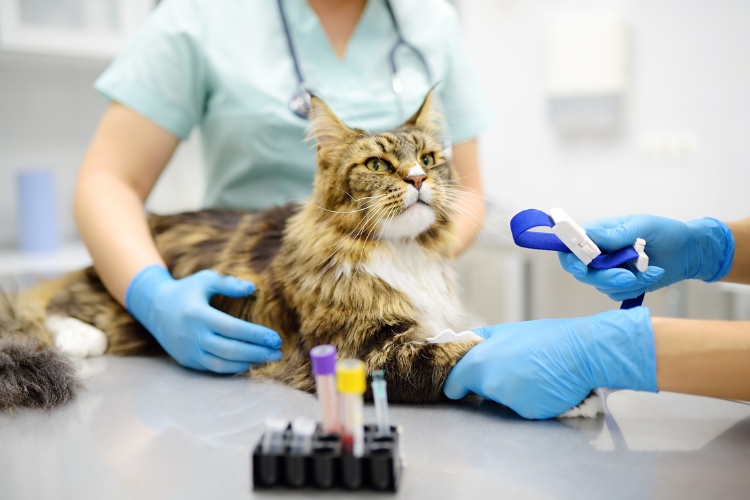
Blood work helps identify changes in organ function, infection levels, and overall body balance in early stages.
Urine Testing
Urine analysis shows kidney health, hydration levels, and early signs of metabolic changes.
Internal Imaging
Imaging helps reveal structural changes within organs that a basic examination cannot detect.
Body Monitoring
Weight and body condition tracking help identify slow but steady health shifts.
Silent Changes Inside a Pet’s Body
Many health problems in pets begin long before symptoms appear. Internal organs may slowly lose function or become stressed without showing clear outward signs. Routine testing helps detect these silent changes early, allowing for timely care decisions.
A veterinary review of test results helps connect small changes over time. Even minor shifts in blood levels or urine patterns can signal the beginning of a chronic condition. Early awareness gives pet owners more control over how health conditions are managed.
Why Do Symptoms Show Late
Pets naturally hide signs of weakness as a survival behavior, making it difficult for pet owners to notice early illness without medical testing. By the time symptoms appear, conditions may already be more advanced than expected.
Key Tests That Reveal Hidden Problems
Routine diagnostics rely on several important tests that work together to show a complete picture of internal health. Each test plays a different role in identifying early changes that may lead to long-term illness if left unnoticed.
Blood Testing for Internal Balance
Blood testing is one of the most reliable ways to detect early disease. It helps identify organ stress, infection, and nutrient imbalance. A veterinarian often uses blood results to track changes over time and adjust care plans when needed.
Urine Testing for Kidney Health
Urine tests help reveal early kidney issues, dehydration, and urinary tract concerns. These changes often develop slowly and may not show symptoms until later stages. Early detection through urine testing can help slow disease progression.
Imaging for Deeper Insights
Imaging tools such as X-rays and ultrasound help examine internal organs more closely. These tools allow early detection of growths, inflammation, or structural changes that may not be visible during a physical check.
How Early Detection Reduces Long-Term Health Risks
Early detection plays a major role in preventing chronic disease from becoming severe. Identifying health issues at an early stage allows treatment plans to begin sooner, often leading to better long-term outcomes and greater comfort for pets.
A vet uses test results to monitor trends instead of single readings, helping to understand how a pet’s health is changing over time. Small adjustments in diet, hydration, or medication can slow down disease progression when detected early.
Why Timing Makes a Difference
Health conditions found early are usually easier to manage. Delayed detection often leads to more complex care needs and longer recovery periods. Regular testing helps reduce those risks by catching changes before they become serious.
When Pets Should Be Tested
Routine testing schedules depend on age and health condition. Younger pets may need fewer tests, while older pets require more frequent monitoring due to a higher risk of chronic illness.
Kittens usually undergo baseline checks to establish normal health. Adult pets benefit from annual screenings to track changes over time. Senior pets often require more frequent testing because aging increases the risk of kidney, thyroid, and metabolic issues.
A veterinary plan is often adjusted based on past results and current health conditions. Consistent testing helps build a clearer health history, making it easier to identify changes early.
What Happens During a Health Visit
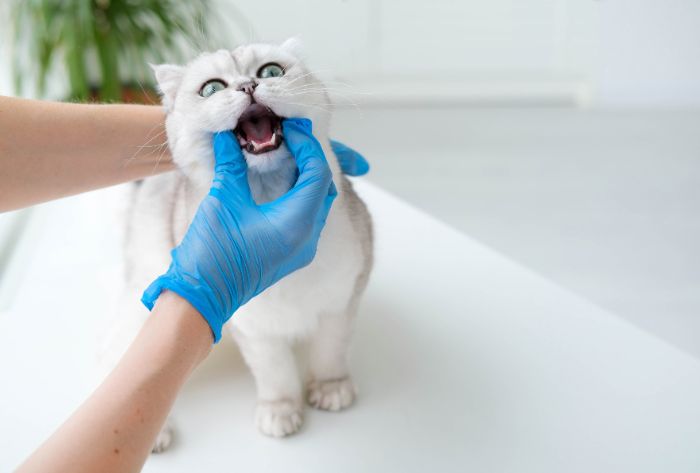
A routine health visit includes several steps designed to check both visible and hidden aspects of a pet’s health. Each step helps build a clearer understanding of overall well-being.
The visit often begins with a physical check that looks at weight, coat condition, and general behavior. After that, lab tests may be recommended to examine internal health further. Results are reviewed to identify early signs of concern.
Physical Check
A basic evaluation of body condition, weight, and behavior patterns.
Lab Testing
Blood and urine tests that reveal internal organ function.
Imaging Review
Internal scans are used when a deeper evaluation is needed.
Health Tracking
Comparison of results over time to monitor changes.
Each step helps a vet identify patterns that may point toward early disease development.
Small Signs That Often Go Unnoticed
Pets often show subtle changes that may seem unimportant at first. These small signs can actually indicate early health problems when they appear together over time.
Changes in appetite, energy level, or litter box habits may signal internal issues. Slight weight loss or gain can also be an early warning sign. Even minor behavior shifts may indicate discomfort that is not visible externally.
A veterinary evaluation helps connect these signs with internal health data, making it easier to understand whether changes are temporary or part of a larger health concern.
Building a Long-Term Health Plan for pets
A long-term health plan focuses on prevention rather than reaction. Regular testing, tracking, and early intervention help maintain stability and reduce the risk of chronic illness.
A vet often helps design a plan based on age, lifestyle, and medical history. Adjustments are made as needed to ensure that changes in health are addressed early. Consistent monitoring helps maintain balance and reduce the risk of unexpected health issues over time.
Stronger Health Starts With Early Action
Routine diagnostics play an important role in protecting pets from long-term illness by identifying internal changes before symptoms appear. Early testing helps track organ function, detect hidden conditions, and guide better care decisions over time.
Pure Paws Veterinary Care of Hudson Square provides structured testing to identify early disease patterns and to guide ongoing care decisions through careful health tracking and regular evaluations.
Pet owners in Hudson Square looking for routine testing or early disease detection can book an appointment with Pure Paws Veterinary Care of Hudson Square. The veterinary team closely reviews health changes and creates a clear plan that supports early action, improved monitoring, and better long-term wellness for every cat.
Frequently Asked Questions
1. Why are routine tests important if my pet looks healthy?
Routine tests help detect hidden changes inside the body that cannot be seen during daily observation. Many health conditions develop slowly, and early testing helps identify them before symptoms appear, allowing earlier care and better long-term health outcomes.
2. How do routine diagnostics help prevent chronic disease?
Routine diagnostics identify small internal changes before they become serious. Early detection allows timely care decisions that slow disease progression. Regular monitoring also helps track long-term health patterns, making it easier to manage conditions before they become advanced.
3. What are the most important tests for pets?
Blood tests, urine analysis, and imaging are the most important. Blood tests check organ function, urine tests evaluate kidney health, and imaging helps detect internal changes. Together, these tests provide a complete view of a pet’s internal health status.
4. How often should my pet visit a vet for testing?
Frequency depends on age and health condition. Younger pets may need yearly checks, while senior pets may need more frequent visits. Regular testing helps track changes over time and ensures early detection of possible health concerns.