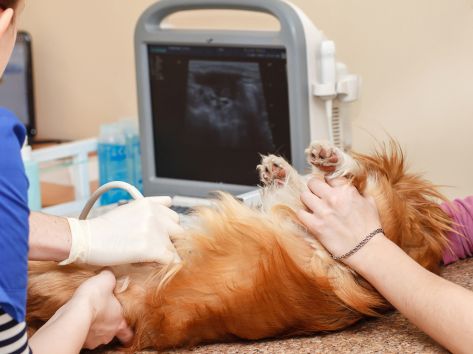
When your pet is acting differently, it can be both concerning and confusing. As a responsible pet owner in New York City, you’ll want to stay alert for signs that Pure Paws Veterinary Care might recommend diagnostic testing. In this post, we’ll explore ten clear indicators that diagnostic testing could save time, stress, and perhaps even your pet’s life. We’ll also point out what to ask your vet and how to feel confident about the process.
1. Persistent Lethargy
If your dog or cat seems unusually tired for more than a day or two—even after a restful weekend—it’s a red flag. Animals may hide discomfort, so when lethargy lingers, it often signals something more serious. A simple blood panel or imaging test can uncover hidden issues like anemia, infection, organ dysfunction, or metabolic disease.
2. Changes in Appetite or Thirst
Sudden changes in how much your pet eats or drinks merit attention. If your pet is eating much less — or much more — than usual, or suddenly drinking excessively, diagnostic tests like a complete metabolic profile or urinalysis can help pinpoint causes such as diabetes, kidney disease, or endocrine disorders.
3. Weight Loss or Gain Without Obvious Cause
If there’s a significant weight change without a change in diet or activity level, that deserves investigation. Weight loss might hint at gastrointestinal problems, chronic infection, or cancer. Unexplained weight gain might indicate hormonal imbalances or thyroid issues. Imaging or blood tests often form the first step.
4. Vomiting or Diarrhea That Lingers
Occasional upset stomachs happen, but repeated vomiting or diarrhea (especially with changes in stool color, texture, or presence of blood) signals a need for diagnostics. Your vet might recommend abdominal ultrasound, x-rays, or stool and blood tests to rule out foreign bodies, parasites, inflammatory bowel disease, or other conditions.
5. Changes in Urination or Bowel Habits
If your pet is urinating frequently, straining to urinate, having accidents in the house, or producing very loose or very hard stools, then diagnostics are warranted. Conditions such as urinary tract infections, bladder stones, feline lower urinary tract disease, kidney issues, or colon dysfunction all may show up in lab tests, imaging, or other diagnostics.
6. Coughing, Wheezing or Difficulty Breathing
Respiratory symptoms — especially in pets — should never be ignored. If your cat or dog is coughing, sounding wheezy, breathing rapidly at rest, or has bluish gums, diagnostic tools like chest x-rays, echocardiograms, or blood gas tests may be necessary. Prompt testing can reveal heart disease, fluid in the lungs, pneumonia, or other serious problems.
7. Changes in Eyes, Ears or Skin
If the pet’s eyes look cloudy, there’s discharge from the ears, skin lesions appear, or existing skin conditions worsen rapidly, diagnostics can help uncover underlying causes. For instance, blood tests may reveal tick-borne diseases, imaging might detect tumors under skin lesions, and cytology/biopsy may identify infections or cancers.
8. Lameness or Suddenly Reduced Activity
If your pet avoids jumping, seems stiff, limps, or suddenly doesn’t play like it used to, it may not just be “getting older.” Joint disease, hip dysplasia, ACL tears, or arthritis can be at work. Your vet may recommend X-rays, MRIs, or ultrasounds, plus lab work to check for inflammatory markers or systemic disease.
9. Sudden Behavioral Changes
Pets often express discomfort in behavior changes: aggression, hiding, reduced interaction, ears back, tail down, or irritability. These may indicate pain or illness. Diagnostic testing helps ensure you’re treating a root cause, not just masking symptoms. For example, an underlying pain source may show in x-ray, abdominal ultrasound, or neurological tests.
10. Abnormal Physical Exam Findings
Sometimes your vet will detect anomalies during routine exams: enlarged lymph nodes, an abnormal heart or lung sound, palpable masses in the abdomen, or unexpected changes in mouth health or gums. If your vet mentions “we should run blood tests or imaging,” it’s wise to listen. Diagnostics convert suspicion into actionable information and guide treatment.
What To Ask Your Vet
- Why this test? Ask what conditions are being ruled out and how the results will guide care.
- What are the costs and risks? Know what’s involved and whether sedation or special prep is needed.
- How will we receive results, and what’s next? Understand timing and next steps depending on outcomes.
- Should the test wait? For non-urgent issues, your vet might suggest monitoring or less invasive steps first.
- Does insurance cover this? Many pets in NYC have coverage; this can ease decision-making.
Why Early Diagnostics Matter
Firstly, early diagnosis often leads to more effective treatment and better outcomes. Secondly, by diagnosing early, your vet can often offer less invasive, less costly options. Thirdly, if your pet has a chronic issue, diagnostics give you a baseline for tracking treatment and adjusting care over time. In a fast-paced city like New York, where pets often have busy lives and high exposure to environmental risks, being proactive matters.
In New York City, you need a practice that understands urban pet life, offers modern diagnostic tools, and provides clear communication. Pure Paws Veterinary Care, for example, provides in-house labs, imaging (ultrasound and radiography), and advanced diagnostics across its locations. A veterinary hospital equipped with these tools means fewer referrals, fewer delays, and quicker peace of mind.
If you’ve noticed any of the ten signs above in your pet, it’s time to consider diagnostic testing. Acting early helps you support your companion’s health proactively rather than reacting to emergencies. For pet owners searching for reliable and detailed diagnostic care, consider pet diagnostic care in New York and the benefits a modern veterinary practice can deliver. Ultimately, your goal is clear: provide your pet with the best possible health, comfort, and longevity. And with the right diagnostics, you’re well on your way.
FAQs
Q1. How often should my pet have diagnostic testing if they seem healthy?
Ans. Even if your pet appears healthy, annual wellness exams that include baseline diagnostics (bloodwork, urinalysis) are recommended. As pets age or if they belong to higher-risk breeds, you may want more frequent testing. Early detection is key.
Q2. Are diagnostic tests safe for pets?
Ans. Yes—most tests like bloodwork, ultrasound, or X-rays are non-invasive or minimally invasive and carry very low risk. Veterinarians follow strict protocols to ensure your pet’s safety and comfort during testing.
Q3. Will insurance cover diagnostic testing for my pet?
Ans. Many pet insurance plans do cover diagnostic tests, though coverage depends on the provider and the policy. Always check with your insurer, and inform your vet clinic ahead of time. Many NYC clinics, including Pure Paws, accept pet insurance.
Q4. My pet is acting fine now—should I still consider testing?
Ans. Yes. Some diseases progress silently until they’re advanced. Establishing a baseline with diagnostic tests allows your vet to compare future results and catch changes sooner rather than later.
Q5. What happens if a diagnostic test comes back abnormal?
Ans. Your vet will review the findings with you, explain what they mean, and propose next steps—whether that’s additional testing, treatment, referral, or monitoring. Early abnormal results often lead to better outcomes because you have time to act.
Q6. How should I prepare my pet for diagnostic testing?
Ans. Typically you’ll be asked to withhold food (fast) for a few hours prior to bloodwork or imaging. Bring a list of medications, supplements, and any recent changes you’ve noticed. Arrive on time, and discuss any concerns/observations with the vet.