When a pet shows unusual symptoms or doesn’t respond to basic treatment, a deeper look is often needed. Many health conditions in pets are not straightforward. They may involve more than one organ system or present signs that overlap with other illnesses. In these cases, veterinarians rely on a combination of diagnostic tools to find clear answers.
Instead of depending on a single test, modern veterinary care uses a layered approach. By combining different types of veterinary diagnostic services, vets can build a complete picture of your pet’s health, which approach leads to faster diagnosis, more accurate treatment, and better outcomes.
Why Complex Cases Need a Multi-Diagnostic Approach
Some conditions are easy to identify with a simple exam or test. Others are more complicated. For example, symptoms like vomiting, fatigue, or weight loss can point to many different issues.
A multi-diagnostic approach helps to:
- Rule out multiple conditions at once
- Confirm a diagnosis with higher accuracy
- Detect hidden or secondary problems
- Track how a disease is progressing
By using several tools together, veterinarians avoid guesswork and provide more targeted care.
The First Step: Physical Exam and Medical History
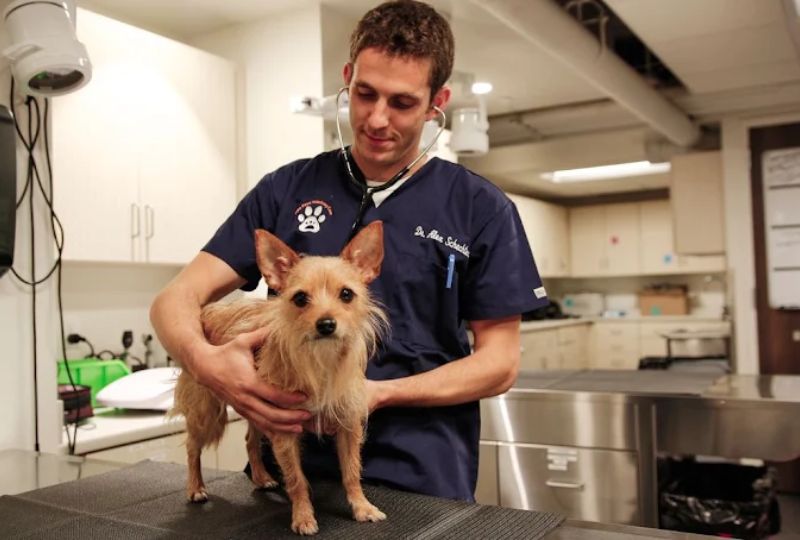
Every diagnosis begins with a thorough physical exam, which provides the veterinarian with important clues about your pet’s condition.
During this stage, the vet will:
- Check vital signs such as temperature, heart rate, and breathing
- Examine the eyes, ears, skin, and coat
- Feel the abdomen for swelling or pain
- Ask about behavior changes, appetite, and activity levels
Your pet’s history is just as important as the exam. Small details, like changes in diet or energy levels, can guide the next steps in Pet diagnostic testing.
Laboratory Testing: Understanding What’s Happening Inside
Lab tests are often the next step when symptoms are unclear. These tests provide valuable information about how the body is functioning.
Common lab tests include:
- Blood tests – Show organ function, infection, and inflammation
- Urinalysis – Helps detect kidney issues, diabetes, or infections
- Fecal tests – Identify parasites or digestive problems
These tests are quick and give measurable data. When combined with the physical exam, they help narrow down possible conditions.
Veterinary Imaging: Seeing Beyond the Surface
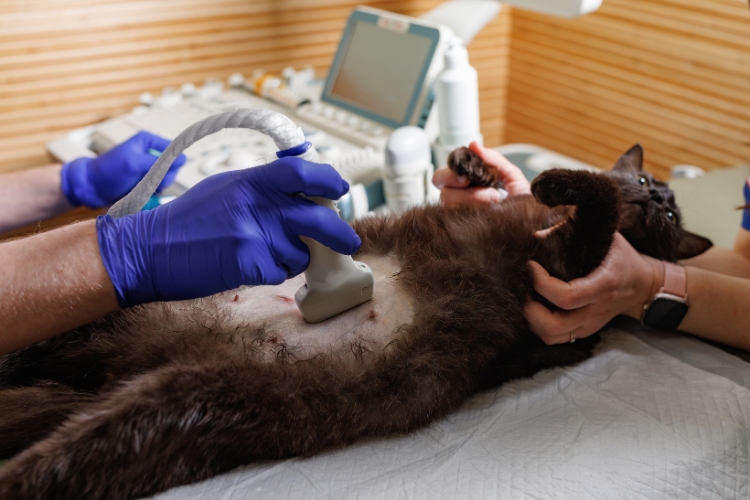
When lab results are not enough, imaging tools are used to look inside the body. These tools are a key part of modern Veterinary imaging services.
Common Imaging Methods
- X-rays (Radiographs)
Useful for checking bones, lungs, and some internal organs - Ultrasound
Helps visualize soft tissues like the liver, kidneys, and heart - Advanced imaging (if needed)
In some cases, CT scans or MRI scans may be recommended for detailed views
Imaging allows veterinarians to confirm structural issues such as tumors, blockages, or internal injuries.
Combining Lab Tests and Imaging for Better Accuracy
A single test rarely tells the whole story, especially in complex cases where symptoms may overlap. Veterinarians often combine different diagnostic tools to get both functional and visual insights into your pet’s health, which approach helps them understand not just what is happening, but why it is happening.
For example:
- A blood test may show liver abnormalities or changes in enzyme levels
- An ultrasound can confirm if there is a liver mass, inflammation, or a structural issue
When these tools are used together, they provide a more complete picture that reduces the risk of misdiagnosis, improves accuracy, and helps create a precise treatment plan tailored to your pet’s specific needs.
Specialized Testing for Complex Conditions
In more advanced cases, veterinarians may recommend additional tests. These are used when standard diagnostics don’t provide enough answers.
Examples include:
- Hormone testing for conditions like thyroid disorders
- Biopsies to examine tissue samples
- Allergy testing for chronic skin or ear issues
- Infectious disease panels to detect specific pathogens
These tests are often used alongside routine diagnostics to confirm a final diagnosis.
Monitoring and Follow-Up Testing
Diagnostics are not only used for diagnosis, but are also important for monitoring your pet’s progress.
Follow-up testing helps veterinarians:
- Check if treatment is working
- Adjust medications when needed
- Detect complications early
For chronic conditions, regular testing ensures your pet stays stable and comfortable.
The Role of Technology in Modern Veterinary Care
Advancements in veterinary medicine have made diagnostics faster and more reliable.
Today’s clinics often use:
- Digital imaging for clearer results
- In-house lab equipment for quick testing
- Advanced software to track patient data
These tools allow veterinarians to make decisions quickly, which is especially important in urgent or complex cases.
Benefits of Combining Diagnostic Services
Using multiple diagnostic tools provides several advantages, which include:
- Greater accuracy – Reduces uncertainty in diagnosis
- Faster treatment – Helps start care sooner
- Better outcomes – Leads to more effective treatment plans
- Comprehensive care – Addresses the full scope of the problem
These advantages ensure that no detail is overlooked when your pet’s health is at stake.
When Should You Consider Advanced Diagnostics?
Not every pet needs extensive testing. However, you should consider it if your pet:
- Has ongoing or worsening symptoms
- Does not respond to initial treatment
- Shows unusual or unexplained behavior
- Has a chronic condition that needs monitoring
Early and thorough diagnostics can make a significant difference in long-term health.
How Veterinarians Create a Personalized Plan
Age, breed, lifestyle, and medical history all play a role in choosing the right diagnostics, ensuring your pet receives care that is both effective and appropriate.
Veterinarians take a tailored approach by:
- Selecting tests based on symptoms
- Avoiding unnecessary procedures
- Explaining each step clearly to pet owners
What Pet Owners Can Expect During the Process
Understanding the diagnostic process can help reduce stress.
Here’s what typically happens:
- Initial consultation and exam
- Recommendation of tests based on findings
- Clear explanation of results
- Discussion of treatment options
Good communication between the veterinarian and pet owner is key to successful care.
Supporting Your Pet Through Diagnostic Testing
Pets may feel anxious during tests, but there are ways to make the experience easier.
You can help by:
- Keeping your pet calm before the visit
- Following pre-test instructions, such as fasting
- Offering comfort and reassurance after procedures
If your pet is showing unusual symptoms or needs a deeper diagnostic near you, book an appointment with Pure Paws Veterinary Care of Hell’s Kitchen to help assess your pet. Visit our team to give your pet the benefit of advanced, compassionate care.
FAQs
1. What are veterinary diagnostic services?
These are tools and tests used by veterinarians to understand a pet’s health. They include lab tests, imaging, and physical exams.
2. Why does my pet need more than one test?
Some conditions are complex and cannot be diagnosed with a single test. Multiple tests provide a clearer and more accurate diagnosis.
3. Are diagnostic tests safe for pets?
Yes, most tests are safe and minimally invasive. Your veterinarian will recommend only what is necessary.
4. How long does it take to get results?
Some results are available the same day, while others may take a few days depending on the test.
5. Can diagnostics help prevent serious illness?
Yes, early testing can detect issues before they become severe, allowing for timely treatment.