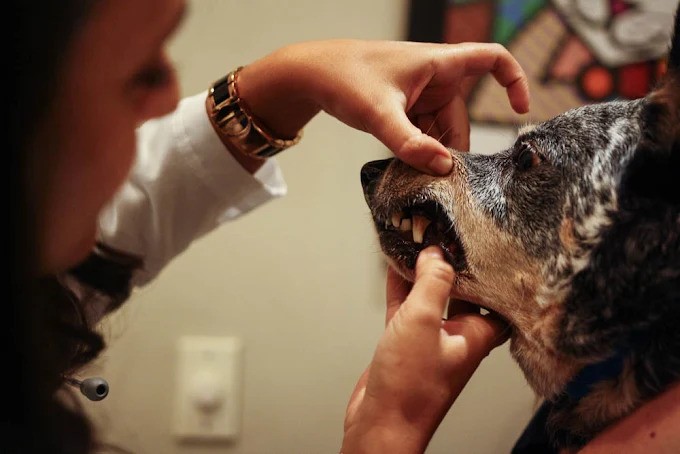
A pet’s mouth often reveals health problems long before other symptoms appear. Dental disease in pets develops quietly, starting with mild plaque buildup and progressing to painful infections that affect the gums, teeth, and even internal organs. Early signs are easy to miss, yet they play a major role in long-term health outcomes.
If you’re a pet owner in Clinton Hill, NY, this blog is especially for you. Understanding early warning signs of pet dental disease can help prevent serious complications and unnecessary discomfort. Schedule a visit with Pure Paws Veterinary Care of Clinton Hill to ensure your pet receives the necessary dental care before problems progress.
Early Dental Trouble Starts Quietly
Dental disease rarely begins with obvious pain. Small changes in oral health often go unnoticed during daily routines. Plaque starts forming along the gumline, gradually hardening into tartar that irritates sensitive tissues.
Over time, bacteria spread beneath the gums, affecting tooth stability and overall health.
- Plaque buildup: Sticky film forms on teeth after eating and begins to mineralize if not removed.
- Early gum irritation: Mild redness around the gums signals the beginning of inflammation.
- Subtle tartar deposits: Yellow or brown buildup appears along the tooth surface over time.
- Bacterial activity increases: Oral bacteria multiply and begin affecting deeper gum structures.
Signs Hidden Inside Pet Mouths
Many oral health issues remain hidden until advanced stages. Regular observation of your pet’s mouth helps detect early changes before pain becomes noticeable.
Small shifts in appearance or behavior often indicate developing dental problems.
- Red or swollen gums: Early inflammation suggests gingivitis or infection beginning to develop.
- Loose or shifting teeth: Dental instability signals advanced periodontal damage.
- Visible plaque lines: Hardened buildup along the teeth indicates poor oral hygiene.
- Bleeding while chewing: Small amounts of blood often indicate gum sensitivity.
Bad Breath Means Bigger Problems
Persistent bad breath is often one of the earliest noticeable signs of dental disease. Odor changes are not normal and usually indicate bacterial overgrowth inside the mouth.
Halitosis in pets is rarely just a surface issue and often signals deeper infection.
- Strong, persistent odor: Ongoing smell indicates bacterial accumulation beneath the gumline.
- Taste-related signs of discomfort: Pets may avoid chewing due to unpleasant oral sensations.
- Saliva changes: Thick or excessive drooling may accompany oral infections.
- Oral bacteria imbalance: Harmful bacteria outnumber healthy oral flora over time.
Gum Disease Progresses Faster Than Expected
Gum disease advances more quickly than many pet owners realize. What begins as mild irritation can progress into periodontal disease that affects the teeth, gums, and supporting bone structures.
Early intervention helps slow progression and protect oral health stability.
- Gingivitis development: Early gum inflammation begins without visible signs of pain.
- Pocket formation: Gaps between teeth and gums trap food and bacteria.
- Bone deterioration risk: Advanced stages affect jaw structure and tooth support.
- Tooth loss possibility: Untreated disease may eventually result in missing teeth.
Changes in Eating Habits Matter
Eating behavior often reflects oral discomfort in pets. Subtle changes in chewing patterns or food preferences can indicate dental pain.
Monitoring meal habits helps identify early dental issues before severe symptoms appear.
- Chewing on one side: Pets may avoid using painful areas of the mouth.
- Dropping food: Difficulty chewing causes food to fall from the mouth.
- Preference for soft food: Hard kibble becomes uncomfortable to eat.
- Slower eating pace: Discomfort causes hesitation during meals.
Dental Pain Shows Subtle Behavior Shifts
Pets rarely express dental pain directly. Instead, behavioral changes often provide the first clues of oral discomfort.
Small shifts in mood or activity may reflect the underlying progression of dental disease.
- Reduced play interest: Pain may lower enthusiasm for toys or activities.
- Pawing at mouth: Repeated face touching can signal oral irritation.
- Increased irritability: Discomfort may lead to unusual mood changes.
- Avoiding touch near the face: Sensitivity increases around the jaw and mouth areas.
Plaque and Tartar Build Serious Issues
Plaque and tartar are primary contributors to dental disease in pets. Without removal, they create an environment for bacteria to thrive and damage oral structures.
Consistent buildup leads to long-term periodontal complications.
- Mineralized plaque layers: Hardened deposits become difficult to remove without cleaning.
- Gumline inflammation: Irritation increases as bacteria spread under deposits.
- Tooth enamel damage: Protective layers weaken over time.
- Infection risk increases: Bacteria can enter the bloodstream, affecting organs.
Home Care Supports Oral Health Daily
Daily oral care routines help reduce plaque buildup and slow disease progression. Simple habits at home play a major role in prevention.
Consistency matters more than intensity when maintaining oral hygiene.
- Regular tooth brushing: Helps remove plaque before it hardens.
- Dental-safe chews: Support mechanical cleaning through chewing.
- Balanced nutrition: Supports gum strength and oral immunity.
- Routine mouth checks: Helps detect early changes quickly.
Veterinary Dental Exams Detect Early Disease
Routine dental exams help identify issues not visible at home. Veterinary evaluation allows early detection of gum disease, infections, and structural changes.
Early diagnosis improves treatment outcomes and reduces long-term complications.
- Oral examination screening: Identifies plaque, tartar, and gum inflammation.
- Dental probing tests: Measures gum pocket depth and health status.
- Imaging support tools: Detects hidden root or bone issues.
- Risk assessment evaluation: Determines the need for cleaning or treatment.
Professional Cleaning Helps Prevent Complications
Professional dental cleaning removes buildup that cannot be addressed through home care alone, helping restore oral health and prevent disease progression.
Cleanings play a key role in long-term prevention strategies.
- Deep tartar removal: Clears hardened deposits from the tooth surfaces.
- Gumline cleaning: Targets bacteria hidden below the surface.
- Polishing treatment: Smooths enamel to reduce future buildup.
- Oral health stabilization: Helps maintain healthier mouth conditions.
Risks of Untreated Dental Conditions
Ignoring dental disease can lead to more serious health complications beyond the mouth. Oral bacteria may spread and affect other organs.
Progression often results in pain, infection, and reduced quality of life.
- Organ infection risk: Bacteria can enter the bloodstream, affecting the heart or kidneys.
- Chronic pain development: Ongoing discomfort impacts daily behavior.
- Tooth loss outcomes: Advanced disease weakens tooth stability.
- Reduced lifespan quality: Overall health may decline significantly.
Supporting Lifelong Pet Oral Health
Dental disease in pets often begins silently but progresses quickly if left unaddressed. Early detection, routine care, and timely veterinary exams play a major role in preventing complications. Consistent attention to oral health helps maintain comfort, eating ability, and long-term well-being.
Protecting Smiles Through Early Care Choices
Healthy teeth contribute directly to a healthier life for pets. Regular monitoring and preventive dental care reduce the risk of painful conditions and the need for complex treatments later. Taking early action ensures better outcomes and improved daily comfort for your pet.
If your pet needs teeth cleaning or complete dental care near you, book an appointment with Pure Paws Veterinary Care of Clinton Hill. Our team will help evaluate oral health, identify early signs of disease, and guide you through care options that support lasting dental wellness.
FAQs
1. What early mouth changes suggest dental disease beginning?
Mild gum redness, subtle odor changes, and slight tartar buildup often indicate early dental disease developing before visible pain or major symptoms appear.
2. Can pets eat normally with early dental problems?
Pets may continue eating, but slower chewing, food dropping, or a preference for soft foods often suggest discomfort caused by early oral disease progression.
3. Why does bad breath worsen over time in pets?
Bad breath increases due to bacterial buildup under the gums, which produces odor and signals a developing mouth infection that requires attention.
4. How quickly does plaque turn into tartar?
Plaque can harden into tartar within days if not removed, especially when oral hygiene is inconsistent or professional cleaning is not performed regularly.
5. Do dental issues affect overall pet health beyond the mouth?
Yes, bacteria from dental disease can enter the bloodstream and impact organs such as the heart, kidneys, and liver over time.