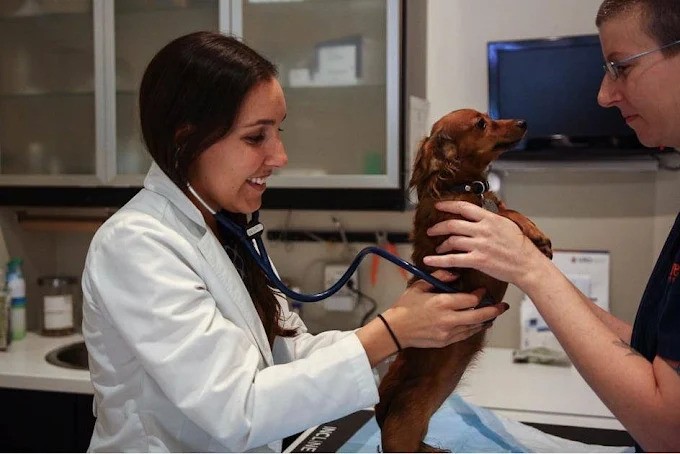
Keeping your pet healthy requires consistent care throughout the year. While many pet owners focus on their companion’s needs only when illness arises, proactive wellness habits can significantly improve a pet’s quality of life. From proper nutrition and regular exercise to preventive healthcare and mental stimulation, every aspect of daily care contributes to long-term health and happiness.
Pets depend on their owners to make informed decisions about their well-being. Fortunately, following veterinarian-approved wellness practices can help reduce the risk of disease, improve longevity, and support a more active lifestyle. By establishing healthy routines and scheduling regular veterinary visits, pet owners can stay ahead of potential health concerns before they become serious problems.
Whether you have a playful puppy, an energetic adult dog, a curious kitten, or a senior cat, these expert recommendations can help your companion thrive throughout every season of the year. For pet families in New York, understanding year-round wellness strategies is an important part of responsible pet ownership.
Why Year-Round Pet Health Matters
Many pet owners associate healthcare with treating illness. However, preventive care focuses on maintaining health and avoiding problems before they develop.
Year-round wellness care helps:
- Support strong immune function
- Reduce the risk of disease
- Improve quality of life
- Detect health concerns early
- Promote healthy aging
- Minimize emergency medical situations
Consistent care allows pets to remain active, comfortable, and healthy regardless of age.
Tip #1: Schedule Regular Wellness Exams
Routine veterinary visits are among the most important steps you can take for your pet’s health.
Even if your pet appears healthy, regular examinations provide an opportunity to evaluate:
- Weight and body condition
- Heart and lung function
- Skin and coat health
- Oral health
- Joint mobility
- Behavioral changes
These visits often identify subtle issues before symptoms become noticeable.
Benefits of Preventive Exams
Preventive wellness exams help:
- Establish health baselines
- Monitor age-related changes
- Detect hidden illnesses
- Update preventive care plans
A trusted vet in New York can provide personalized recommendations that support your pet’s unique needs throughout every stage of life.
Tip #2: Feed a Balanced and Nutritious Diet
Nutrition plays a critical role in maintaining overall health.
Providing a complete and balanced diet supports:
- Healthy growth
- Strong muscles
- Organ function
- Healthy skin and coat
- Immune system performance
Choose Age-Appropriate Nutrition
Pets have different nutritional needs throughout life.
For example:
- Puppies and kittens require growth-focused diets.
- Adult pets need balanced maintenance nutrition.
- Senior pets often benefit from specialized diets that support aging bodies.
Your veterinary team can help determine the most appropriate food based on your pet’s age, breed, size, and activity level.
Avoid Overfeeding
Obesity is a common health concern among pets. Excess weight can increase the risk of:
- Diabetes
- Arthritis
- Heart disease
- Respiratory issues
Measuring portions carefully and avoiding excessive treats can help maintain a healthy weight.
Tip #3: Keep Your Pet Active
Regular exercise supports both physical and mental health.
Benefits of exercise include:
- Weight management
- Improved cardiovascular health
- Stronger muscles
- Better joint function
- Reduced boredom
Exercise Recommendations
Different pets require different activity levels.
Examples include:
- Daily walks
- Interactive play sessions
- Fetch games
- Agility activities
- Puzzle toys
- Climbing structures for cats
Consistent physical activity helps pets stay fit and engaged throughout the year.
Tip #4: Stay Current on Preventive Care
Preventive healthcare helps protect pets from avoidable illnesses and parasites.
Important preventive measures may include:
- Routine wellness exams
- Parasite prevention
- Health screenings
- Dental evaluations
- Recommended immunizations
Preventive care reduces the likelihood of serious medical complications and supports long-term wellness.
Protect Against Parasites
Parasites can affect pets during every season.
Common concerns include:
- Fleas
- Ticks
- Heartworms
- Intestinal parasites
Year-round prevention helps reduce exposure and keeps pets healthier.
Tip #5: Prioritize Dental Health
Dental disease is one of the most common health issues affecting pets.
Unfortunately, many owners do not recognize dental problems until they become advanced.
Why Oral Health Matters
Poor dental health may contribute to:
- Pain and discomfort
- Tooth loss
- Gum disease
- Difficulty eating
- Infection
Routine dental care helps maintain a healthier mouth and may support overall wellness.
Dental Care Tips
Healthy habits include:
- Regular dental exams
- Professional cleanings
- Veterinary-approved dental chews
- At-home brushing when possible
Consistent dental care can help prevent more serious complications later.
Tip #6: Monitor Your Pet’s Weight
Weight changes can be an early indicator of health problems.
Both weight gain and weight loss may signal underlying concerns such as:
- Hormonal disorders
- Metabolic disease
- Organ dysfunction
- Nutritional imbalances
Maintaining a Healthy Body Condition
To support healthy weight management:
- Feed measured portions
- Limit excessive treats
- Encourage daily activity
- Schedule regular weigh-ins
Maintaining an ideal body condition improves mobility, energy levels, and overall health.
Tip #7: Pay Attention to Behavioral Changes
Behavior often provides valuable clues about your pet’s health.
Watch for changes such as:
- Increased sleeping
- Reduced activity
- Appetite changes
- Excessive thirst
- Irritability
- Anxiety
These changes may indicate underlying medical issues that require professional evaluation.
Early Detection Matters
Many illnesses show behavioral changes before physical symptoms appear.
Prompt veterinary attention can lead to earlier diagnosis and more effective treatment.
Tip #8: Support Mental Stimulation
Mental wellness is just as important as physical health.
Boredom and lack of stimulation may contribute to:
- Destructive behavior
- Anxiety
- Excessive barking
- Depression-like behaviors
Enrichment Activities
Consider providing:
- Interactive toys
- Puzzle feeders
- Training exercises
- Social interaction
- New experiences and environments
Keeping your pet mentally engaged supports emotional well-being throughout the year.
Tip #9: Create a Safe Living Environment
A safe environment helps reduce injuries and prevent accidents.
Safety Recommendations
Pet owners should:
- Secure toxic household products
- Store medications safely
- Remove choking hazards
- Keep electrical cords protected
- Provide secure outdoor spaces
Simple precautions can significantly reduce health risks.
Tip #10: Adjust Care for Seasonal Changes
Different seasons can present unique health challenges.
Warm Weather Considerations
During warmer months:
- Provide plenty of fresh water
- Avoid excessive heat exposure
- Watch for signs of overheating
- Protect against seasonal parasites
Cold Weather Considerations
During cooler months:
- Maintain regular exercise
- Provide warm sleeping areas
- Monitor senior pets for joint discomfort
- Continue preventive care routines
Year-round awareness helps keep pets comfortable and healthy regardless of changing conditions.
The Importance of Building a Long-Term Wellness Plan
Long-term wellness requires consistency.
Rather than reacting to illness, proactive care focuses on preventing problems before they occur.
A comprehensive wellness plan may include:
- Annual examinations
- Nutritional guidance
- Dental care
- Preventive screenings
- Exercise recommendations
- Behavioral monitoring
Working closely with your veterinary team ensures your pet receives personalized care at every age.
A knowledgeable vet can help create a customized wellness strategy designed specifically for your pet’s lifestyle and health needs.
Common Mistakes Pet Owners Should Avoid
Even dedicated pet owners sometimes overlook important aspects of preventive care.
Common mistakes include:
- Skipping annual exams
- Ignoring dental health
- Overfeeding treats
- Delaying treatment for minor symptoms
- Neglecting parasite prevention
- Failing to monitor weight changes
Avoiding these habits can contribute significantly to your pet’s long-term health.
Conclusion
Keeping your pet healthy year-round requires a combination of preventive care, proper nutrition, regular exercise, dental health management, and ongoing monitoring. By following these vet-recommended wellness strategies, pet owners can help their companions enjoy healthier, happier, and more active lives.
Routine veterinary care remains one of the most valuable investments you can make in your pet’s future. At Pure Paws Veterinary Care of Clinton Hill, our team is committed to providing comprehensive preventive care, wellness exams, and personalized healthcare plans designed to support your pet through every stage of life. Early detection, preventive screenings, and tailored treatment recommendations can significantly improve long-term health outcomes and overall quality of life for your beloved companion.
If you’re in New York and looking for a vet near you, schedule an appointment with Pure Paws Veterinary Care of Clinton Hill. Our veterinary team is dedicated to providing compassionate care, preventive services, and personalized wellness plans to help your pet stay healthy throughout every season of the year.
Frequently Asked Questions
1. How often should my pet have a wellness exam?
Most pets should have a wellness examination at least once a year. Senior pets and those with medical conditions may benefit from more frequent visits.
2. What are the most important steps for maintaining my pet’s health?
Proper nutrition, regular exercise, preventive care, dental health, and routine veterinary visits are essential for supporting lifelong wellness.
3. Why is preventive care important even when my pet seems healthy?
Many health conditions develop gradually without noticeable symptoms. Preventive care helps identify concerns early and supports better treatment outcomes.
4. How can Pure Paws Veterinary Care of Clinton Hill help my pet stay healthy?
Our team offers wellness exams, preventive care, nutritional guidance, diagnostic services, and personalized treatment plans designed to support your pet’s long-term health.
5. What signs should prompt a veterinary visit?
Changes in appetite, weight, behavior, mobility, energy levels, or bathroom habits should be evaluated by a veterinary professional.
6. How do I schedule an appointment with Pure Paws Veterinary Care of Clinton Hill?
Contact Pure Paws Veterinary Care of Clinton Hill today to schedule a wellness exam or preventive care visit. Our experienced team is committed to helping your pet enjoy a healthier and happier life.