A healthy smile does much more than brighten your dog’s appearance. It plays an important role in overall health, comfort, and quality of life. Unfortunately, many pet owners overlook oral hygiene until they notice bad breath or difficulty eating. By then, dental disease may already be affecting the teeth and gums.
Good oral hygiene helps prevent painful infections, tooth loss, and bacteria from spreading to other parts of the body. Even better, a consistent routine at home combined with professional veterinary care can greatly reduce the risk of serious dental problems.
Dog dental care is one of the most effective ways to protect your pet’s overall health and prevent painful oral disease.
When you understand how dental health changes throughout your dog’s life, you can take simple steps to keep every stage healthier and more comfortable. This guide is especially helpful for pet owners in New York who want to give their companions the best preventive care possible.
Why Oral Health Matters for Dogs
Your dog’s mouth contains millions of bacteria. While many are harmless, plaque naturally develops on the teeth every day. If plaque is not removed regularly, it hardens into tartar. Once tartar forms, brushing alone cannot eliminate it.
As tartar builds, it irritates the gums and creates an environment where harmful bacteria thrive. Over time, this process leads to periodontal disease, which is one of the most common health conditions affecting adult dogs.
Poor oral health may contribute to:
- Bad breath
- Inflamed gums
- Tooth loss
- Difficulty chewing
- Pain while eating
- Gum infections
- Bone loss around teeth
- Bacteria entering the bloodstream
Because oral disease often develops slowly, many dogs continue eating despite experiencing discomfort. Therefore, regular examinations are essential for early detection.
Common Signs of Dental Problems
Dogs rarely show obvious signs of oral pain until disease becomes advanced. Consequently, pet owners should watch for subtle changes in behavior.
Signs may include:
- Persistent bad breath
- Yellow or brown tartar buildup
- Red or swollen gums
- Drooling more than usual
- Pawing at the mouth
- Bleeding gums
- Loose teeth
- Difficulty chewing hard food
- Reduced appetite
- Facial swelling
If you notice any of these symptoms, schedule a veterinary evaluation promptly.
What Causes Dental Disease?
Several factors influence oral health.
These include:
Age
Dental disease becomes more common as dogs grow older because plaque accumulates over time.
Breed
Small breeds often develop crowded teeth, allowing plaque to collect more easily.
Diet
Soft foods may not provide the same natural cleaning action as certain dental diets designed to support oral hygiene.
Genetics
Some dogs naturally develop periodontal disease earlier than others.
Home Care
Irregular brushing allows plaque and bacteria to build rapidly.
Build a Healthy Home Dental Routine
Daily home care is one of the easiest ways to reduce plaque accumulation.
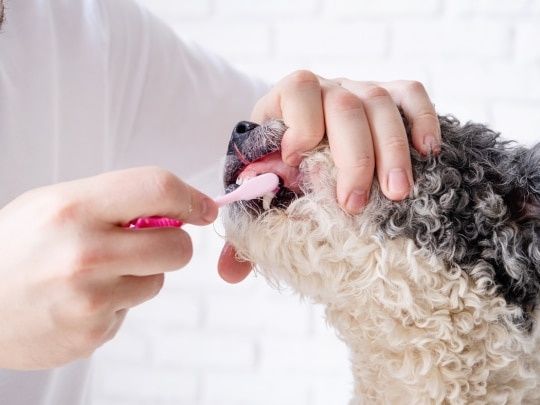
Brush Every Day
Brushing remains the gold standard for maintaining healthy teeth.
Use:
- A dog-specific toothbrush
- Veterinary-approved toothpaste
- Gentle circular motions
Never use human toothpaste because it contains ingredients that may be harmful to dogs.
If daily brushing feels difficult at first, begin with short sessions and gradually increase the duration as your dog becomes comfortable.
Introduce Brushing Slowly
Patience creates long-term success.
Start by:
- Letting your dog taste the toothpaste
- Touching the lips gently
- Introducing the toothbrush gradually
- Rewarding calm behavior afterward
Positive reinforcement helps build lifelong habits.
Offer Veterinary-Approved Dental Chews
Dental chews can reduce plaque between brushings.
Choose products recommended by your veterinarian because they have been evaluated for safety and effectiveness.
Avoid overly hard treats that may fracture teeth.
Use Dental Diets When Appropriate
Certain prescription and specially formulated dental foods help reduce plaque accumulation.
These diets contain textures that gently clean tooth surfaces while chewing.
Ask your veterinarian whether a dental diet fits your dog’s needs.
Consider Water Additives
Water additives may help decrease bacteria inside the mouth.
Although they do not replace brushing, they can provide additional support when used consistently.
Professional Dental Examinations Make a Difference
Even excellent home care cannot remove hardened tartar beneath the gumline.
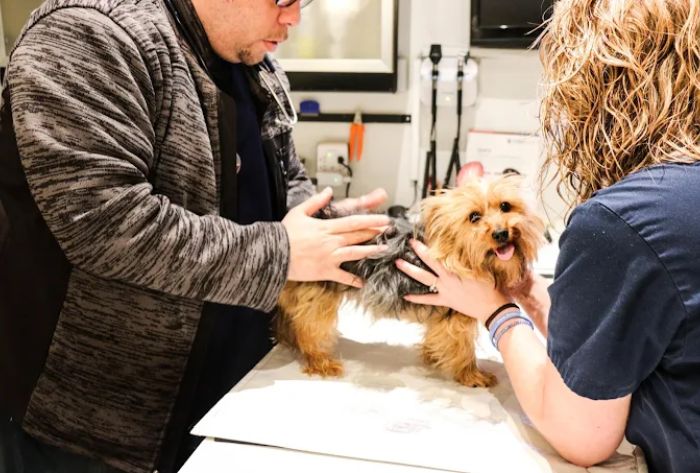
Professional veterinary examinations help identify:
- Gingivitis
- Broken teeth
- Gum recession
- Oral tumors
- Tooth root infections
- Periodontal disease
Routine oral evaluations allow treatment before problems become severe.
What Happens During a Professional Dental Cleaning?
Many owners wonder what to expect during a veterinary dental procedure.
Professional cleanings generally include:
Complete Physical Examination
Your veterinarian first evaluates your dog’s overall health before anesthesia.
Dental X-Rays
Many dental problems occur below the gumline where they cannot be seen during a visual examination.
Digital dental radiographs reveal:
- Bone loss
- Tooth root infections
- Fractures
- Hidden disease
Ultrasonic Scaling
Specialized equipment removes tartar from both visible tooth surfaces and beneath the gums.
Polishing
Polishing smooths the enamel, making plaque less likely to attach quickly.
Oral Examination
Each tooth is carefully inspected for damage, mobility, or disease.
If necessary, unhealthy teeth may require extraction to eliminate pain and infection.
Nutrition Supports Better Oral Health
A balanced diet benefits every part of your dog’s body, including the mouth.
Good nutrition provides:
- Strong teeth
- Healthy gums
- Better immune function
- Faster healing
- Reduced inflammation
Limit sugary human foods and avoid treats that easily stick to the teeth.
Fresh water should always be available.
Puppies Need Dental Care Too
Healthy habits begin early.
As puppies grow:
- Baby teeth fall out naturally.
- Adult teeth emerge.
- Teething causes temporary discomfort.
Introduce brushing while your puppy is young so oral care becomes part of a normal routine.
Regular examinations also allow veterinarians to identify retained baby teeth that may require treatment.
Senior Dogs Require Extra Attention
Older dogs often experience greater dental challenges.
These may include:
- Advanced tartar buildup
- Tooth wear
- Gum recession
- Tooth mobility
- Chronic periodontal disease
Regular oral evaluations become increasingly important as dogs age because early treatment helps preserve comfort and eating ability.
Safe Toys Help Protect Teeth
Not every chew toy supports dental health.
Look for toys that:
- Bend slightly under pressure
- Carry veterinary recommendations
- Match your dog’s size
- Resist breaking into sharp pieces
Avoid:
- Natural bones
- Antlers
- Rocks
- Extremely hard nylon toys
These items increase the risk of fractured teeth.
Myths About Dog Dental Health
Many misconceptions prevent owners from providing proper oral care.
Myth: Bad breath is normal.
Reality: Persistent bad breath usually signals bacterial growth or dental disease.
Myth: Dry food cleans teeth completely.
Reality: Although some dental diets help reduce plaque, most regular kibble does not replace brushing.
Myth: Dogs naturally lose teeth as they age.
Reality: Healthy adult teeth should remain throughout life with proper care.
Myth: Dental disease only affects the mouth.
Reality: Oral bacteria may contribute to problems involving the heart, liver, and kidneys.
Preventive Care Saves Time, Money, and Discomfort
Preventive dentistry offers significant long-term benefits.
These include:
- Less pain
- Lower treatment costs
- Better appetite
- Fresher breath
- Healthier gums
- Longer-lasting teeth
- Improved overall wellness
Dog dental care becomes much easier when preventive habits start early and continue throughout every stage of your dog’s life.
Small daily efforts can prevent complex procedures later.
When Should You Schedule a Dental Visit?
Do not wait until your dog shows obvious discomfort.
Instead, arrange an examination if you notice:
- Persistent bad breath
- Bleeding gums
- Visible tartar
- Loose teeth
- Difficulty chewing
- Swelling around the mouth
- Appetite changes
Routine wellness visits also provide opportunities for oral evaluations before problems worsen.
Healthy teeth contribute to a happier, more active life. Daily brushing, balanced nutrition, appropriate dental products, and routine professional examinations all work together to protect your dog’s oral health. By staying proactive, you can reduce the risk of painful dental disease and help your companion enjoy comfortable eating and better overall wellness.
If your pet is due for an oral examination or professional cleaning, schedule an appointment with Pure Paws Veterinary Care of Clinton Hill. Our experienced veterinary team provides personalized dental services to help dogs maintain healthy teeth and gums. Proudly serving families in New York, they are committed to supporting your pet’s lifelong oral health.
Frequently Asked Questions (FAQs)
1. How often should my dog have a professional dental cleaning?
Most dogs benefit from a professional dental cleaning once a year. However, the ideal schedule depends on your dog’s age, breed, and overall oral health. Your veterinarian can recommend the best timing after an examination.
2. What are the early signs of dental disease in dogs?
Common early signs include bad breath, yellow or brown tartar buildup, red or swollen gums, excessive drooling, difficulty chewing, and bleeding gums. Early treatment can help prevent more serious dental problems.
3. Can I use human toothpaste to brush my dog’s teeth?
No. Human toothpaste contains ingredients that can be harmful to dogs if swallowed. Always use a toothpaste that is specifically formulated for dogs.
4. Are dental chews enough to keep my dog’s teeth clean?
Dental chews can help reduce plaque and freshen breath, but they should not replace regular brushing or professional dental cleanings. A complete dental care routine provides the best protection.
5. Why choose Pure Paws Veterinary Care of Clinton Hill for my dog’s dental care?
Pure Paws Veterinary Care of Clinton Hill offers comprehensive dental exams, professional cleanings, digital dental X-rays, and personalized treatment plans to help maintain your dog’s healthy teeth and gums throughout every stage of life.
6. How do I schedule a dental appointment at Pure Paws Veterinary Care of Clinton Hill?
Scheduling an appointment is easy. Contact Pure Paws Veterinary Care of Clinton Hill to book a dental examination, discuss your dog’s oral health needs, and receive expert recommendations for long-term dental wellness.