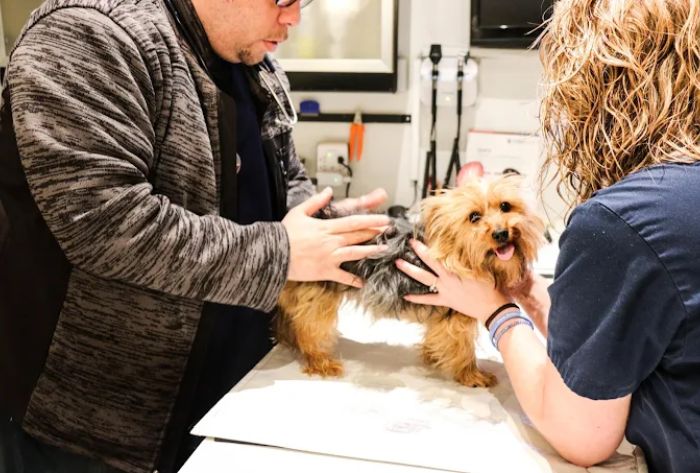
Your pet is more than a companion. They are an important part of your family. Their health, comfort, and happiness depend on the care decisions you make every day. Regular veterinary visits are essential for maintaining your pet’s well-being. However, many pet owners are unsure about what questions they should ask during appointments.
A visit should not only focus on immediate concerns. It should also help you understand your pet’s overall health, preventive needs, and future care requirements. Asking meaningful questions allows you to become more involved in your pet’s healthcare journey. It also helps your veterinary team make recommendations based on your pet’s lifestyle, medical history, age, and individual needs.
For families in Brooklyn, having a trusted veterinary team can make every visit more comfortable and informative. At Pure Paws Veterinary Care of Clinton Hill, our veterinary team provides comprehensive care with careful attention to each pet’s individual health needs.
Our veterinarians take the time to evaluate concerns, explain findings, discuss available care options, and answer questions about your pet’s health. Whether you are bringing in a new puppy or kitten, an adult pet, or a senior companion, our team works with you to help you understand your pet’s current health and the care they may need moving forward.
Do you know which questions to ask your vet to make the most of your pet’s appointment? Here are some important questions that can help you better understand your pet’s health and become more proactive about their care.
Why Should You Prepare Questions Before a Veterinary Appointment?
Many pet owners wait until a problem appears before discussing their concerns. However, regular conversations during wellness visits can help identify potential concerns and support preventive care.
Pets often hide signs of discomfort. Changes in appetite, energy, behavior, or habits may seem minor at first. These changes can sometimes indicate an underlying health concern.
Preparing questions before your appointment helps you discuss important topics without forgetting details. It also helps your veterinary team understand what you have observed at home. A productive appointment should leave you better informed about your pet’s current health and future needs.
Questions About Your Pet’s General Health
Is My Pet Healthy for Their Age and Lifestyle?
Every pet experiences different health changes throughout life. A young puppy or kitten has different needs compared to an adult or senior pet.
Ask about your pet’s:
- Growth and development
- Weight changes
- Activity levels
- Normal behavior patterns
Understanding what is normal for your pet helps you recognize unusual changes sooner. Your vet can also explain which health concerns may become more common as your pet gets older.
Are There Preventive Care Steps I Should Follow?
Preventive care plays an important role in protecting your pet from avoidable health problems. During your visit, discuss vaccination schedules, parasite prevention, dental care, and routine wellness examinations.
Preventive recommendations may vary depending on your pet’s age, environment, lifestyle, and medical history. Your veterinary team can assess these factors and help determine which preventive measures are appropriate for your pet.
Questions About Nutrition and Weight Management
Is My Pet Eating the Right Food?
Nutrition directly affects your pet’s energy, development, body condition, and overall wellness. However, choosing an appropriate diet can sometimes feel confusing.
Ask your veterinary team whether your pet’s current food meets their nutritional needs.
You can also discuss portion sizes, treats, feeding schedules, and dietary changes. A pet’s nutritional requirements may change with age, activity level, body condition, or certain health concerns.
Does My Pet Have a Healthy Weight?
Weight changes can happen gradually, making them difficult for owners to notice.
During your appointment, ask whether your pet’s weight and body condition are within a healthy range. Your vet can evaluate your pet and discuss feeding or activity changes when appropriate.
Maintaining a healthy body condition can support mobility and overall wellness throughout your pet’s life.
Questions About Behavior and Daily Habits
Are Changes in My Pet’s Behavior a Concern?
Behavior changes can sometimes be an early indication that something is affecting your pet.
Talk about changes such as:
- Reduced activity
- Increased hiding
- Changes in sleeping patterns
- Unusual aggression or irritability
- Loss of interest in normal activities
These changes may be related to stress, discomfort, aging, environmental factors, or an underlying medical concern.
Sharing what you notice at home gives your veterinary team valuable information when evaluating your pet.
How Can I Improve My Pet’s Daily Routine?
Your pet’s daily routine can affect both physical and emotional well-being.
Ask about appropriate exercise, mental enrichment, grooming habits, feeding routines, and lifestyle adjustments.
Your vet can help you determine whether changes at home may benefit your pet based on their age, breed, health status, and activity level.
Questions About Tests and Diagnostic Recommendations
Does My Pet Need Any Health Screenings?
Some health conditions can develop before obvious symptoms appear. Depending on your pet’s age, medical history, symptoms, and risk factors, your veterinarian may recommend diagnostic testing.
Ask why a particular test is being recommended and what information it may provide.
At our veterinary practice, our vets believe pet owners should understand the reasoning behind recommendations. Clear communication helps you participate in decisions about your pet’s care rather than feeling uncertain about the next step.
Can You Explain My Pet’s Test Results?
Veterinary terminology and diagnostic results can sometimes feel overwhelming. Do not hesitate to ask questions.
Ask your vet what the results mean, whether anything requires attention, and what the next steps may be. Our veterinary team takes time to discuss findings so pet owners can better understand their pet’s health and know what to monitor once they return home.
Questions About Treatment and Long-Term Care
What Treatment Options Are Available for My Pet?
If your pet requires treatment, understanding the available options is important. Ask about the purpose of the recommended treatment, expected benefits, possible risks, recovery timeline, and follow-up requirements.
Our vets consider your pet’s overall condition and individual circumstances when discussing care options. We want you to understand why a treatment is being considered and what it may involve before moving forward.
How Can I Support My Pet After Treatment?
Your role in your pet’s care often continues after you leave the veterinary office.
Ask about medication instructions, activity restrictions, feeding changes, follow-up appointments, and signs that should prompt you to contact the veterinary team.
Understanding home-care instructions can help you provide appropriate support during your pet’s recovery.
How Can Pet Owners Build a Strong Relationship With Their Veterinary Team?
A productive veterinary relationship depends on communication, consistency, and trust. Your veterinary team should understand your concerns and provide clear guidance based on your pet’s health needs.
Do not hesitate to share small changes you notice at home. Details about appetite, bathroom habits, mobility, sleep, behavior, or energy can provide useful clinical information.
At veterinary practice, our vets combine thorough evaluations with clear communication. We take time to listen to pet owners, assess each pet’s needs, explain our findings, and discuss appropriate next steps.
This approach allows our team to support pets throughout different stages of life, from preventive wellness care to the evaluation and management of medical concerns.
Why Choosing the Right Veterinary Care Matters
Choosing the right veterinary practice is an important decision for every pet owner. You want a team that listens carefully, examines your pet thoroughly, communicates clearly, and helps you understand the recommendations being made.
Quality veterinary care involves more than responding when a pet becomes sick. Regular visits allow your veterinary team to establish a health history, monitor changes over time, discuss preventive needs, and identify concerns that may require further evaluation.
Asking questions is an important part of this process. The more your veterinary team knows about your pet, and the more you understand about their health, the better prepared you can be to make informed care decisions.
Give Your Pet the Thoughtful Care They Deserve
Your pet’s health depends on more than addressing problems when they appear. It also depends on having a veterinary team that understands their individual needs, listens to your observations, conducts thorough evaluations, and explains care recommendations clearly.
If you are in Clinton Hill or the surrounding Brooklyn area and are looking for a veterinary practice for your pet, Pure Paws Veterinary Care of Clinton Hill is here to help. Our vets are committed to providing comprehensive veterinary care while keeping pet owners informed and involved throughout the process.
Whether your pet needs preventive care, ongoing health support, diagnostic evaluation, or a routine wellness visit, our team is ready to answer your questions and help you understand the next steps in their care.
Book an appointment and bring your questions. Our veterinary team is ready to listen, evaluate, explain, and help you make informed decisions about your pet’s health.
Frequently Asked Questions
1. What questions should I ask during my pet’s first veterinary visit?
Ask about vaccinations, nutrition, preventive care, parasite protection, and your pet’s overall health. Share your pet’s history and any concerns you have noticed.
2. How often should my pet have a wellness examination?
Most pets benefit from regular wellness visits. The frequency depends on their age, health condition, and individual needs.
3. What information should I bring to my pet’s appointment?
Bring medical records, vaccination history, medication details, and information about diet or behavior changes.
4. How do I know if my pet needs immediate veterinary attention?
Signs such as breathing problems, severe pain, sudden weakness, or major behavior changes may require prompt evaluation.
5. Should I discuss dental care during routine visits?
Yes. Dental health affects your pet’s comfort and overall wellness. Ask about oral examinations and preventive dental care.
6. Can lifestyle changes improve my pet’s health?
Yes. Proper nutrition, exercise, preventive care, and regular monitoring can support better long-term health.
7. How can I help my pet feel comfortable during veterinary visits?
Remain calm, use positive reinforcement, and discuss anxiety concerns with your care team. They can suggest ways to make visits easier.