Pets develop routines that make unusual behavior easier to notice. A normally social dog may suddenly hide. A quiet cat may begin vocalizing at night. A house-trained pet may unexpectedly have accidents indoors. While an occasional change does not always signal illness, sudden, persistent, or severe behavioral changes deserve attention.
At Pure Paws Veterinary Care of Clinton Hill, local pet parents can have concerning changes evaluated to determine whether discomfort, illness, stress, or another problem may be involved. Knowing when behavior warrants urgent vet care can help you respond appropriately rather than waiting for additional symptoms to appear.
What Pet Behavior Changes Should Owners Pay Attention To?
Behavior is one way pets communicate that something feels different. Cornell University notes that pain in dogs can manifest as behavioral signs such as withdrawal, restlessness, irritability, changes in sleep patterns, reluctance to exercise, or reactions to touch.
Changes worth watching include:
- Suddenly hiding or avoiding family members
- Unusual aggression, growling, or snapping
- Excessive vocalization
- Pacing or difficulty settling
- Sleeping much more or less than normal
- Reduced interest in walks, play, or interaction
- New house-soiling behavior
- Changes in appetite or drinking
- Excessive licking or chewing of one body area
- Confusion or appearing disoriented
- New sensitivity to being touched
- Sudden clinginess or separation-related behavior
A single mild episode may not require urgent care, particularly if your pet quickly returns to normal. A persistent or worsening change is more concerning.
Why Can a Pet’s Behavior Suddenly Change?
Behavioral changes can have medical, environmental, or emotional causes. Sometimes more than one factor is involved.
Pain or Physical Discomfort
Dental pain, arthritis, injuries, infections, or other painful conditions can affect how a pet interacts with people and other animals. A pet in discomfort may hide, resist handling, become less active, or react defensively.
Changes in the Home
Moving, introducing another pet, changes in household members, loud construction, or alterations to a daily schedule may create stress. Environmental factors should still not automatically be assumed to be the only explanation, especially when the change is sudden or severe.
Medical Conditions
Kidney problems, urinary disorders, endocrine disease, neurological conditions, and other illnesses can influence behavior. For example, increased thirst and urination associated with some medical conditions can contribute to unexpected indoor accidents.
Age-Related Changes
Older pets may develop reduced hearing, vision changes, chronic discomfort, or cognitive changes. These can contribute to altered sleep, confusion, anxiety, house soiling, or changes in social interaction.
When Should Behavior Changes Lead to a Veterinary Visit?
Consider scheduling an examination when a new behavior persists, recurs, worsens over time, or occurs alongside physical symptoms.
You should also visit our veterinary hospital when your pet’s behavior is significantly different from their normal personality, and you cannot identify a clear reason.
Prompt urgent care may be appropriate when behavior changes occur with:
- Repeated vomiting or diarrhea
- Refusal to eat or drink
- Significant weakness or collapse
- Difficulty walking or standing
- Signs of substantial pain
- Straining or inability to urinate
- Suspected toxin exposure
- Sudden disorientation or loss of coordination
For rapidly worsening symptoms, urgent vet care can help determine what may be happening and whether immediate treatment is needed.
When Is a Behavior Change an Emergency?
Some behavioral changes occur because a pet is experiencing a serious medical problem. Sudden collapse, seizures, difficulty breathing, severe weakness, inability to urinate, major trauma, or marked loss of awareness can require emergency attention.
Do not wait for a routine appointment when severe symptoms accompany the behavioral change. Seek urgent care or emergency veterinary assistance based on the severity of your pet’s condition.
How Does a Veterinarian Evaluate Behavior Changes?
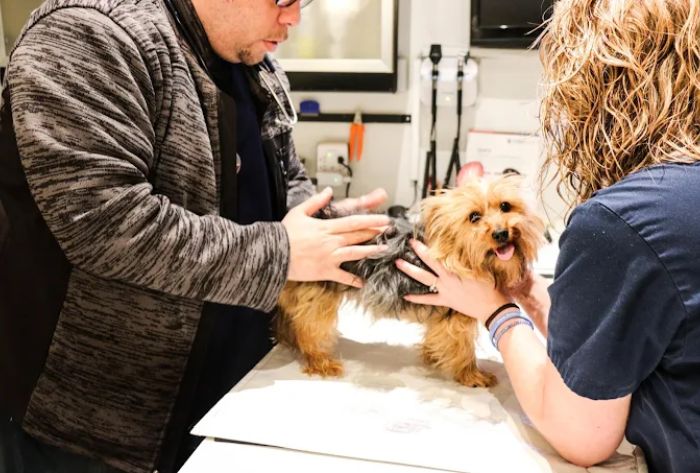
A veterinary assessment usually begins with your pet’s medical history and a physical examination. Depending on the findings, diagnostic testing may be recommended to investigate possible medical causes. Veterinary behavior guidance emphasizes ruling out medical contributors before assuming a new problem is purely behavioral.
Before the appointment, record when the behavior started, how often it occurs, and what happens before and after. Videos taken safely at home can also provide useful information, as some behaviors may not be apparent during an examination.
Do Not Ignore a Change From Your Pet’s Normal Behavior
You know your pet’s everyday habits better than anyone. A noticeable departure from those habits may be an early clue that something needs attention.
Pet parents in Brooklyn and nearby locations can seek urgent care when sudden behavioral changes raise concerns about their pet’s health. Pure Paws Veterinary Care of Clinton Hill provides urgent veterinary care for pets requiring timely evaluation during available clinic hours.
If your pet has suddenly become withdrawn, unusually aggressive, confused, restless, weak, or noticeably different, do not wait for symptoms to become severe. Call +17187835500 to discuss your pet’s symptoms and arrange appropriate veterinary attention. For severe or rapidly worsening symptoms, seek urgent care or emergency assistance promptly.
Frequently Asked Questions
Can sudden changes in a pet’s behavior mean they are sick?
Yes. Illness, pain, neurological problems, hormonal disorders, and other health conditions can sometimes change a pet’s behavior. A veterinary examination can help distinguish possible medical causes from environmental or behavioral factors.
Why is my normally friendly pet suddenly aggressive?
Pain, fear, stress, illness, or sensitivity to touch may contribute to unexpected aggression. Avoid punishing or forcing physical contact with the pet. Arrange a veterinary examination if the behavior is sudden, persistent, or severe.
Should I worry if my pet suddenly starts hiding?
Brief hiding can occur after stress or changes in the environment. Persistent hiding, especially when combined with poor appetite, lethargy, pain, vomiting, or other symptoms, should prompt a veterinary evaluation and may warrant urgent care.
Why is my older pet acting differently at night?
Senior pets can develop changes in hearing, vision, mobility, sleep patterns, or cognitive function. Medical problems may produce similar signs, so new nighttime pacing, vocalization, confusion, or restlessness should be discussed with a veterinarian.
Can pain cause personality changes in dogs and cats?
Yes. Pets experiencing pain may become withdrawn, restless, less active, defensive, or unusually sensitive to touch. Because animals may not show pain in obvious ways, changes from normal behavior can provide important clues.
How quickly should I see a vet after noticing unusual behavior?
It depends on the severity and accompanying symptoms. Mild, short-lived changes can sometimes be monitored. Persistent changes should be examined, while collapse, breathing problems, seizures, inability to urinate, severe weakness, or major disorientation may require urgent care or emergency attention.