Preparing your pet for surgery can feel stressful, especially when you receive detailed instructions about food and water. Many pet owners feel confused when they are told not to feed their pet before a procedure. It may seem harsh or unnecessary at first, but there are very important reasons behind this rule.
Knowing the purpose of fasting before a pet’s surgery can help you feel more confident and prepared. When you know why these instructions exist, you are more likely to follow them correctly and protect your pet from avoidable risks. This guide explains everything in simple terms so you can make the best decisions for your pet’s safety and comfort.
Why Fasting Matters Before Surgery
One of the most common questions pet owners ask is whether pets can eat before surgery, and the answer depends on how anesthesia affects the body. During surgery, pets are given medication that induces deep sleep and complete relaxation, which also slows down normal reflexes, including the ability to swallow properly.
If your pet has food in their stomach, there is a risk that it could come back up while they are under anesthesia, called regurgitation, and it can lead to serious complications if food enters the lungs. This condition, known as aspiration, can cause breathing problems and infections that are difficult to treat.
How Anesthesia Affects Your Pet’s Body
Anesthesia not only induces sleep in your pet but also affects many body systems, including breathing, digestion, and muscle control. When your pet is under anesthesia, their body cannot respond as it normally would.
The digestive system slows down, and the muscles that prevent food from moving back up the throat relax, which is why even a small amount of food can be dangerous during surgery.
Understanding these effects helps explain why veterinarians emphasize fasting so strongly. It is not just a routine rule but a critical safety measure designed to protect your pet at every stage of the procedure.
Standard Fasting Guidelines for Pets
Most veterinary clinics follow general pet surgery fasting guidelines, but these may vary depending on your pet’s age, size, and health condition. Typically, pets are asked to stop eating several hours before surgery, while water may still be allowed for a shorter period.
Here are some common guidelines you might receive:
- Stop feeding the night before surgery, usually around 8 to 12 hours prior.
- Allow small amounts of water until a few hours before the procedure.
- Follow specific timing if your pet has special health conditions.
- Confirm instructions with the veterinarian to avoid confusion.
These instructions are designed to keep your pet safe during anesthesia and surgery. Always follow the exact timing given by the veterinary team.
Are There Exceptions to Fasting Rules?
While fasting is important, there are situations where the rules may be adjusted. Puppies, kittens, and small pets may not be able to fast for long periods because their bodies need a steady supply of energy. Pets with certain medical conditions may also require modified instructions.
The veterinarian will provide tailored pre-surgery instructions for your pet based on your pet’s specific needs. It is important not to rely solely on general advice, as each pet is different and their care plan should reflect that.
If you are unsure about anything, always ask the vet for clarification. It is better to double-check than to risk making a mistake that could affect your pet’s safety.
What Happens if Your Pet Eats Before Surgery?
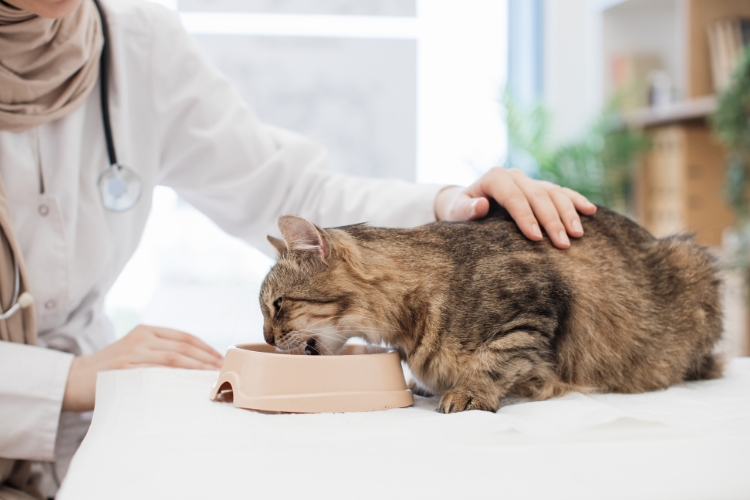
Accidents can happen, especially if your pet manages to find food when you are not looking. If your pet eats before surgery, inform the veterinarian right away.
Do not assume that a small amount of food will not matter. Even a small amount of food can increase the risk of complications during anesthesia. In many cases, the procedure may need to be delayed to ensure your pet’s safety.
While this can be inconvenient, it is always better to reschedule than to take unnecessary risks. The veterinary team’s priority is to protect your pet, even if it means adjusting the schedule.
Tips to Help Your Pet Fast Comfortably
Fasting can be challenging for some pets, especially if they are used to regular feeding times. However, there are simple ways to make the process easier for both you and your pet.
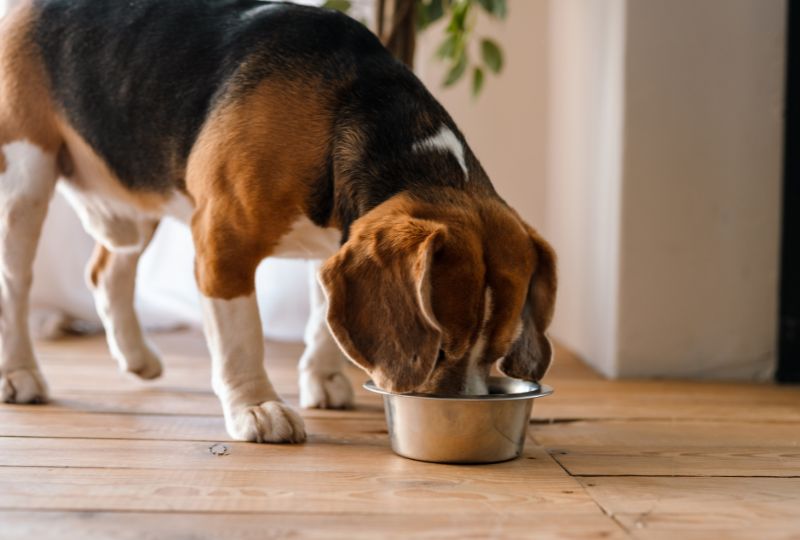
- Remove access to food early so your pet does not get confused.
- Keep other pets’ food out of reach to avoid accidental eating.
- Provide distractions, such as toys or gentle play, to shift focus away from food.
- Stick to a calm routine to reduce stress and anxiety.
These small steps can help your pet stay comfortable while following the necessary fasting guidelines.
Common Mistakes Pet Owners Make
Even with clear instructions, some pet owners make mistakes that can affect surgery plans. Being aware of these errors can help you avoid them.
- Giving treats without realizing they count as food. Even small snacks can break the fasting rule and increase risks.
- Allowing other pets in the home to access food is easy if feeding areas are not separated.
- Misunderstanding timing instructions and feeding too close to surgery. Always double-check the exact hours given.
- Forgetting to ask questions when instructions are unclear. Communication is key to proper preparation.
Avoiding these mistakes ensures that your pet is fully prepared for surgery and reduces the chances of delays or complications.
The Role of Water in Fasting
Many pet owners wonder whether water is allowed during fasting. In most cases, pets can have access to water until a few hours before surgery, which helps keep them hydrated without increasing risks.
However, the exact timing may vary depending on the procedure and your pet’s health. Always follow the specific instructions provided by the veterinarian.
Keeping your pet hydrated while following fasting rules is an important part of preparation. It supports overall health and helps your pet recover more comfortably after the procedure.
How to Prepare the Night Before Surgery
Preparation does not start on the day of surgery. The night before is just as important for ensuring everything goes smoothly.
Start by following the recommended feeding schedule and removing food at the correct time. Make sure your pet has a calm and comfortable place to rest. Avoid giving any extra treats or table scraps, even if your pet seems hungry.
You can also prepare for the next day by organizing any documents, confirming appointment details, and planning your travel to the clinic. Being prepared helps reduce stress for both you and your pet.
What to Expect on Surgery Day
On the day of surgery, your pet may seem a little confused or hungry due to fasting, which is completely normal. Keep the morning calm and avoid any unnecessary excitement.
Bring your pet to the clinic at the scheduled time and share any important updates with the veterinary team, including confirming that fasting instructions were followed correctly.
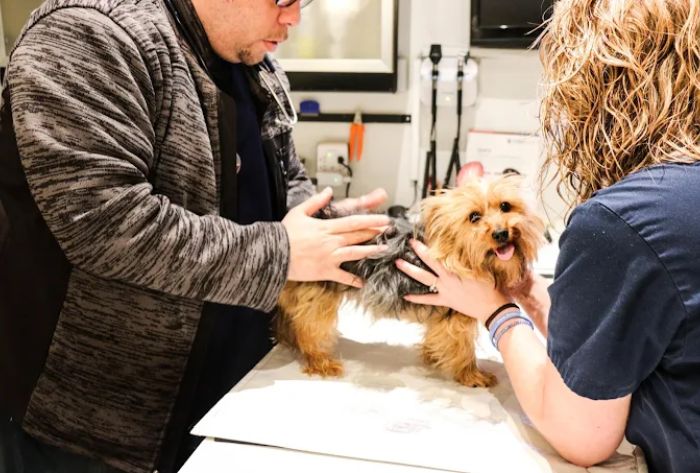
The vet will perform a pre-surgery check to ensure your pet is ready for the procedure. This step adds an extra layer of safety and helps address any last-minute concerns.
Recovery Starts With Proper Preparation
Fasting may seem like a small step, but it plays a big role in your pet’s overall surgical experience. Proper preparation reduces risks during the procedure and supports a smoother recovery afterward.
When your pet’s body is ready for anesthesia, the surgery process becomes safer and more controlled, leading to better outcomes and less stress for both you and your pet.
By following all instructions carefully, you are giving your pet the best possible chance for a successful procedure and a quick return to normal life.
A Safe Surgery Starts With Smart Choices
Taking the time to understand fasting rules can make a huge difference in your pet’s safety. These guidelines are not meant to be restrictive but to protect your pet from serious complications. Every step you take before surgery contributes to a smoother and safer experience.
If you want guidance and personalized care for pet surgery near you, book an appointment with Pure Paws Veterinary Care of Clinton Hill. Our team is dedicated to making every procedure as safe and comfortable as possible, ensuring your pet receives the best care before surgery.
FAQs
1. How long should my pet fast before surgery?
Most pets need to fast for about eight to twelve hours before surgery. However, the exact timing depends on your pet’s age, size, and health. Always follow the veterinarian’s specific instructions for the best results.
2. Can I give my pet water before surgery?
In many cases, pets can have water until a few hours before surgery, which helps prevent dehydration while still maintaining safety. Check with the veterinarian for exact timing based on your pet’s needs.
3. What if my pet accidentally eats before surgery?
If your pet eats before surgery, contact the veterinarian immediately. The procedure may need to be rescheduled to avoid risks. It is always better to delay than to proceed unsafely.
4. Do puppies and kittens need to fast the same way?
Young pets may have different fasting requirements because they need more frequent nutrition. The veterinarian will adjust instructions to keep them safe and healthy. Always follow the guidance provided for your specific pet.
5. Why is fasting so important for surgery?
Fasting reduces the risk of regurgitation and aspiration during anesthesia and helps protect your pet’s lungs and overall health. It is a simple but essential step for a safe surgical experience.