Many dog owners are unaware that ear infections are common in their pets and that neglecting them can lead to serious health problems. One serious consequence of prolonged or severe infections is hearing loss. If your dog often has ear infections, you might be concerned that these issues could affect your pet’s hearing.
Understanding Dog Ear Infections
Dog ear infections are usually caused by bacteria or yeast in the ear canal, often due to moisture, allergies, or ear mites. These infections lead to swelling and discomfort and, if left untreated, can cause more serious problems, such as damage to ear structures. Pet owners, especially those living in humid areas or experiencing seasonal changes, might notice that their dogs are more prone to ear infections during certain times of the year. Such infections can cause pain, discomfort, or even hearing loss.
Many ear infections can be effectively treated with medication, but repeated or long-lasting infections can threaten your dog’s hearing since the ear canal in dogs is sensitive and infections can spread to deeper parts. Recognizing the signs, understanding the causes, and seeking appropriate treatment are essential steps in protecting your dog’s health and preventing hearing problems.
How Ear Infections Affect Hearing
Dog ear infections can damage hearing by affecting the eardrum or other parts that transmit sound. Untreated infections may spread, causing scarring or permanent damage. Below are the most common ways ear infections contribute to hearing loss:
Eardrum Damage
The eardrum, or tympanic membrane, transmits sound to the inner ear. Severe infections can cause rupture or thickening, impairing vibrations and signaling to the brain, leading to partial or total hearing loss.
Chronic Inflammation and Scarring
Chronic or untreated ear infections can cause ongoing inflammation in the ear canal, leading over time to tissue thickening and scarring that may narrow the canal. When the ear canal narrows, it can make it harder for sound to reach the inner ear, leading to hearing problems.
Damage to the Middle and Inner Ear
If the infection spreads from the outer ear to the middle or inner ear, it can cause severe damage to the delicate structures that control hearing. This damage is often permanent and may lead to lasting hearing loss.
Dr. Liff further explains, “Cocker Spaniels are especially prone to ear infections because their floppy ears can trap moisture and bacteria. If left untreated, these infections may cause permanent damage to the eardrum, resulting in hearing loss.”
Signs Your Dog May Have an Ear Infection
Recognizing the signs of an ear infection early can prevent long-term damage to your dog’s hearing. Common symptoms of ear infections include:
- Excessive scratching or rubbing of the ears
- Head shaking or tilting
- Foul-smelling discharge from the ear
- Redness or swelling inside the ear canal
- Sensitivity or pain when touching the ear
- Changes in behavior, such as increased irritability or withdrawal
- Hearing difficulties, such as not responding to sounds
If you notice any of these symptoms, it’s crucial to seek veterinary care as soon as possible. Dr. Kurtzman adds, “Breeds such as Shih Tzus are also susceptible to ear infections, which are often linked to their brachycephalic airway syndrome. If not treated promptly, these infections can significantly impair their hearing.”
How to Prevent and Treat Ear Infections in Dogs
Preventing ear infections and addressing them early is the best way to protect your dog’s hearing. Here are some key strategies for managing and preventing ear infections:
Regular Ear Cleaning
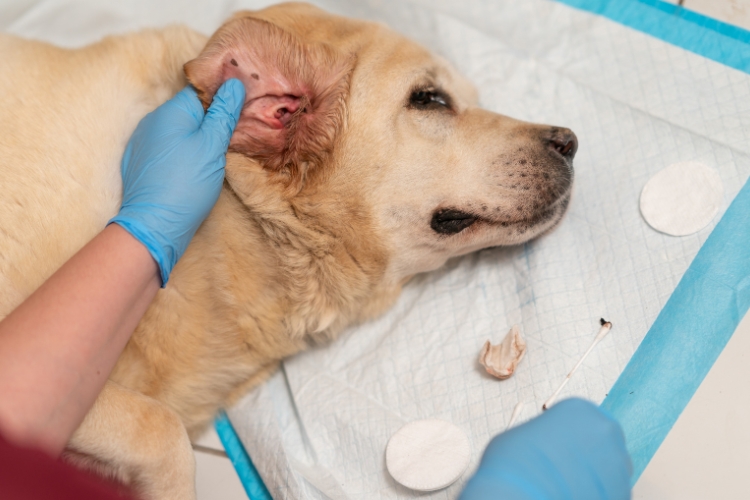
Regularly cleaning your dog’s ears helps eliminate dirt, wax, and moisture that could lead to infections. Use an ear cleaner recommended by a veterinarian to gently clean the inner ear, taking care not to insert anything into the ear canal.
Dry Your Dog’s Ears
If your dog often swims or gets wet, make sure to dry their ears completely after each swim or bath. Moisture in the ear canal can promote bacterial and yeast growth, so keeping ears dry is key to preventing infections.
Dr. Kurtzman advises, “For breeds like Labrador Retrievers that enjoy swimming, regular drying of their ears is important to prevent repeated infections. This simple step helps keep their ears healthy and reduces the chance of recurring issues.”
Address Underlying Health Issues
Allergies, ear mites, and other health problems can increase the risk of ear infections in dogs. Treating these conditions with medication or other methods can reduce the risk of infection and help keep your dog’s ears healthy over time.
Avoid Irritants and Allergens
If your dog tends to have allergies, try to identify and remove potential allergens that could trigger ear infections. These might include environmental triggers such as pollen or specific foods. Talk with your veterinarian about allergy management strategies to help reduce ear problems.
Veterinary Checkups
Regular veterinary checkups are crucial for monitoring your dog’s ear health. A veterinarian can examine your dog’s ears, detect early signs of infection, and provide prompt treatment to prevent hearing loss.
Treatment Options for Dog Ear Infections
If your dog develops an ear infection, several treatment options are available, depending on its severity and cause. Common treatments include:
Antibiotics and Antifungals
If bacteria or fungi cause the infection, your veterinarian may recommend topical ear drops or oral medications to treat it. It is essential to follow the treatment plan exactly as prescribed to ensure the infection is completely gone.
Steroid Medications
In severe cases of inflammation, your veterinarian may prescribe steroid medications to reduce swelling and relieve discomfort.
Surgical Intervention
In rare cases where chronic ear infections cause severe damage to the ear canal, surgery may be required to remove damaged tissue or repair the ear structures. This is often a last resort when other treatments have failed.
Dr. Liff explains, “Breeds such as French Bulldogs are prone to ear infections because of their brachycephalic head shape, which impairs airflow in their ears. In cases of severe infection, surgery might be necessary to repair structural damage.”
Protecting Your Dog’s Hearing
Dog ear infections are more than just uncomfortable; they can cause hearing loss without appropriate treatment. Early recognition of symptoms and immediate veterinary attention are essential to prevent permanent damage. For dogs with recurrent ear infections, collaborate with your veterinarian to create an effective treatment strategy.
Contact a veterinarian near you to prioritize your dog’s ear health and to ensure excellent care. Reach out today to book an appointment and help safeguard your dog’s hearing.
FAQs
Q1. How can I tell if my dog has an ear infection?
Ans. Common signs include head shaking, ear scratching, foul-smelling discharge, and sensitivity to touch. If your dog shows these signs, it’s essential to consult a veterinarian.
Q2. What causes ear infections in dogs?
Ans. Bacteria, yeast, allergies, ear mites, or moisture buildup can cause ear infections in dogs. Dogs with floppy ears or those that swim frequently are at higher risk.
Q3. Is it safe to clean my dog’s ears at home?
Ans. Yes, regular ear cleaning with a vet-approved ear cleaner is safe and can help prevent infections. However, avoid inserting anything into the ear canal.
Q4. How do ear infections affect a dog’s hearing?
Ans. If the infection spreads or becomes chronic, it can cause damage to the eardrum, middle ear, or inner ear, leading to hearing loss or balance problems.
Q5. How long does it take for a dog’s ear infection to heal?
Ans. The healing time depends on the severity of the infection. Most mild infections improve within a week with proper treatment, while more severe infections may take longer.