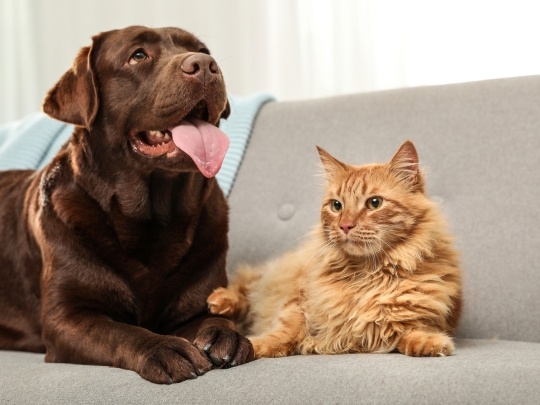
Aging changes how pets move, play, and recover after physical activity. Your dog may no longer enjoy long walks, while your cat might hesitate before jumping onto furniture. These changes deserve attention, especially when familiar activities start becoming difficult.
Growing older does not mean your pet must stop exercising. It means their activity needs may change with their physical condition, mobility, and overall health. A thoughtful exercise routine can help maintain muscle strength, support joint movement, and prevent unwanted weight gain.
For pet owners in Hudson Square, recognizing these changes can make everyday senior pet care easier. At our veterinary practice, we believe older pets deserve attention that reflects their changing needs. With regular health evaluations and appropriate activity adjustments, we can help your companion remain comfortable, engaged, and active throughout their senior years.
Why Exercise Needs Change With Age
A younger pet may enjoy running, jumping, and playing for extended periods. However, aging gradually affects stamina, flexibility, muscle strength, and joint health. Activities that once felt natural may become physically demanding.
Many pets experience age-related conditions that affect their movement. Arthritis, vision changes, and other health problems can make familiar activities uncomfortable. Some pets also take longer to recover after physical exertion.
According to the American Animal Hospital Association (AAHA), older pets need healthcare plans suited to their changing physical needs. Exercise adjustments are an important part of supporting their health and comfort.
The goal is not to eliminate physical activity. Instead, pet owners should find activities that match their companion’s current abilities.
Health Benefits of Regular Exercise
Physical activity remains important throughout a pet’s senior years. Appropriate movement supports several aspects of their physical and mental health.
Here are some important benefits:
Maintaining Healthy Muscle Strength
Older pets gradually lose muscle mass as they age. Regular, gentle movement helps maintain muscle strength and supports everyday activities. Stronger muscles also help support joints during walking and standing.
Supporting Joint Movement
Gentle exercise encourages joint movement and can help reduce stiffness. It is particularly helpful for pets experiencing age-related mobility changes. However, activities should never cause additional pain or strain.
Managing Body Weight
Senior pets may burn fewer calories as their activity levels decrease. This can increase their risk of unwanted weight gain. Consistent movement, combined with appropriate nutrition, helps maintain a healthy body condition.
Supporting Mental Stimulation
Exercise gives pets opportunities to explore their surroundings and experience new activities. Walking, sniffing, and interactive play provide mental stimulation. These activities can also help prevent boredom and encourage natural behaviors.
Promoting Better Rest
Appropriate physical activity helps pets use their energy throughout the day. Many older animals benefit from a consistent routine that balances movement and rest. Comfortable activity levels can support healthier sleep patterns.
Signs Your Pet Needs an Exercise Change
Pets cannot explain when an activity becomes uncomfortable. Their movements and daily habits often provide the first clues.
Watch for these changes:
- Slower walking: Your dog takes longer to complete familiar walks or frequently stops to rest.
- Difficulty standing: Your pet struggles to get up after sleeping or sitting for extended periods.
- Hesitation before jumping: Your cat avoids furniture or stops climbing onto familiar resting spots.
- Reduced interest in play: Your pet loses interest in toys or activities they previously enjoyed.
- Excessive tiredness: Your companion appears unusually exhausted after short periods of activity.
- Changes in behavior: Your pet becomes irritable, withdrawn, or reluctant to participate in daily routines.
These signs may indicate pain, arthritis, weakness, or another health concern. They should not automatically be dismissed as normal aging.
A veterinary examination can help identify the reason behind these changes. Early attention also helps prevent an existing problem from interfering further with everyday activities.
Exercise Options for Aging Dogs
Older dogs still benefit from regular movement, but their routines may require adjustments. Their breed, size, medical history, and mobility all influence suitable activities.
Here are some options worth discussing with your veterinarian.
Shorter and More Frequent Walks
Long walks may become difficult for dogs with reduced stamina. Consider shorter walks spread throughout the day instead. This approach allows your dog to remain active without becoming overly tired.
Let your dog maintain a comfortable pace. Allow plenty of time for sniffing and exploring during each outing.
Gentle Indoor Activities
Indoor activities can keep older dogs moving when outdoor conditions are uncomfortable. Simple games involving toys or treats encourage light movement. Avoid activities that require sudden turns, repeated jumping, or running across slippery floors.
Controlled Swimming
Swimming may provide low-impact movement for some dogs. Water supports much of their body weight, reducing pressure on their joints. However, swimming is not suitable for every senior dog. Discuss your dog’s physical condition with our vets before introducing water-based exercise.
Gentle Outdoor Exploration
A relaxed walk through a quiet neighborhood offers physical activity and mental stimulation. Choose familiar routes with even surfaces and minimal obstacles. Avoid steep hills and uneven paths when your dog has mobility difficulties.
Keeping Senior Cats Physically Active
Cats also experience age-related changes that affect their activity levels. Joint stiffness, reduced flexibility, and other health concerns may make jumping or climbing uncomfortable.
Fortunately, older cats can remain active through simple adjustments.
Choose Low-Level Toys
Encourage your cat to play with toys that move along the floor. Feather toys and soft rolling balls can provide gentle movement. Keep play sessions short and allow your cat to rest whenever needed.
Make Climbing Easier
Older cats may struggle with high furniture or elevated resting areas. Provide accessible steps or pet ramps where appropriate. This allows them to reach familiar spaces without unnecessary strain.
Encourage Food-Based Activities
Food puzzles and treat-finding games provide mental stimulation. Place them at an accessible height to avoid excessive jumping. Always consider your cat’s dietary requirements when offering additional treats.
Respect Your Cat’s Limits
Some cats prefer several short play sessions rather than extended activity. Watch their body language and allow them to stop naturally. Never force a cat to continue playing when they appear uncomfortable.
How to Adjust Daily Exercise Safely
Changing your pet’s exercise routine requires patience. Sudden increases or reductions in activity may create additional problems.
A few practical adjustments can make everyday movement more comfortable.
- Start with shorter sessions: Reduce the duration of activities if your pet becomes tired quickly. Gradually adjust the routine based on their response.
- Maintain consistency: Regular, manageable movement is generally more useful than occasional strenuous exercise. Establish a schedule that fits your pet’s abilities.
- Allow recovery time: Older animals may need longer breaks between activities. Give them enough time to rest before starting another session.
- Choose comfortable surfaces: Avoid slippery floors, steep inclines, and uneven walking paths. These surfaces can increase the risk of falls.
- Monitor weather conditions: Older pets may have difficulty tolerating extreme temperatures. Choose comfortable times for outdoor activity and provide access to fresh water.
- Watch for discomfort: Stop an activity if your pet limps, pants excessively, struggles to move, or appears distressed. Contact your veterinarian if these signs occur.
Remember that every senior pet has different physical needs. An exercise routine that suits one animal may not work for another.
How Veterinary Visits Help Maintain Mobility
Changes in exercise tolerance sometimes indicate underlying health problems. Arthritis, diabetes, kidney disease, and other age-related conditions can affect an older pet’s activity levels.
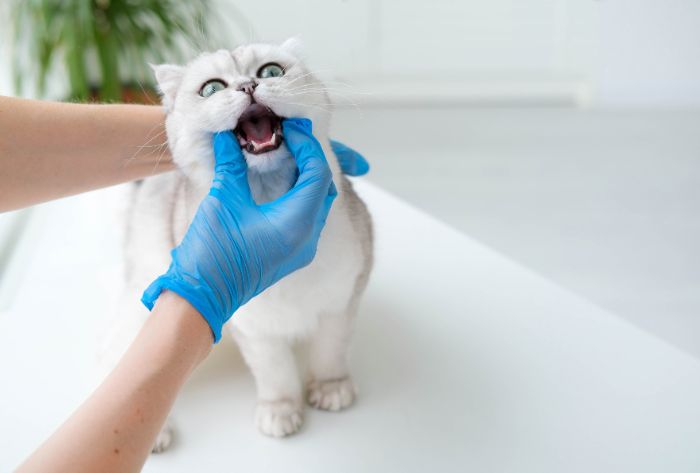
This is why regular veterinary examinations matter. Our vets can assess your pet’s overall health and identify concerns that may affect physical activity.
At our veterinary practice, we recommend senior pets visit at least twice yearly. These appointments help our team monitor changing health trends and identify potential problems early.
Depending on your pet’s condition, evaluations may include:
- Physical examinations: These help assess mobility, general health, and possible signs of discomfort.
- Blood work: Testing can help identify infections, anemia, diabetes, and kidney or liver conditions.
- X-rays: Imaging can reveal concerns such as arthritis and other problems affecting your pet’s health.
- Urinalysis: This helps screen for urinary tract infections, diabetes, and certain other health conditions.
These evaluations help our veterinary team understand what may be affecting your pet’s daily routine.
Our vets can then discuss appropriate activity adjustments based on the findings. If an underlying condition requires attention, addressing it may help your pet remain more comfortable during everyday movement.
Building a Comfortable Exercise Routine
A good exercise routine should fit naturally into your pet’s everyday life. It should also leave enough room for rest, meals, and other important activities.
Consider these suggestions when planning your pet’s schedule:
- Morning: Start with a gentle walk or a short indoor play session.
- Midday: Offer light movement or a simple activity that encourages exploration.
- Afternoon: Allow supervised outdoor time or another comfortable activity.
- Evening: Finish the day with gentle interaction before your pet settles down.
This schedule is only a general example. Your pet may need more or less activity depending on their health and energy levels.
Keep track of changes in their walking speed, play habits, appetite, and recovery time. Sharing these observations during veterinary appointments can help our team understand how your pet responds to daily activity.
The right routine may also change over time. Regular senior pet care helps ensure that exercise remains appropriate as your companion grows older.
Give Your Senior Pet the Care They Deserve
Your pet has spent years bringing happiness, companionship, and unconditional love into your life. Their golden years deserve the same attention and care. Changes in exercise habits may seem small, but they can reveal important information about your pet’s health. Recognizing these changes and seeking veterinary guidance can make everyday life more comfortable.
At Pure Paws Veterinary Care of Hudson Square, our team is here to support your pet through every stage of life. We provide senior wellness evaluations, health screenings, and individualized veterinary attention to address changing needs. Is your older pet slowing down, avoiding walks, or showing less interest in playtime? Do not wait for these changes to become more difficult to manage.
Contact our veterinary practice at (212) 203-4187 or schedule an appointment online. Let our vets help your companion stay comfortable, healthy, and active through their senior years.
Frequently Asked Questions
1. How much exercise does a senior pet need each day?
Exercise requirements depend on your pet’s age, breed, mobility, and medical history. Some older pets benefit from several short activity sessions daily. Your veterinarian can recommend an appropriate routine based on their physical condition.
2. Should I stop exercising my pet if they have arthritis?
No, but their activities may need adjustment. Gentle movement can help maintain muscle strength and joint mobility. Ask your veterinarian about suitable exercises that avoid unnecessary pressure on affected joints.
3. Can senior cats benefit from daily exercise?
Yes, senior cats benefit from gentle daily activities. Short play sessions, floor-level toys, and food puzzles encourage movement and mental stimulation. Choose activities that match your cat’s mobility and energy levels.
4. How can Pure Paws Veterinary Care of Hudson Square help my senior pet stay active?
Pure Paws Veterinary Care of Hudson Square provides senior wellness examinations and routine health screenings. Our vets assess changing health needs and help identify conditions that may affect mobility, comfort, and daily activity.
5. How often should my senior pet visit Pure Paws Veterinary Care of Hudson Square?
We generally recommend senior pets visit Pure Paws Veterinary Care of Hudson Square at least twice yearly. Regular examinations and recommended health screenings help our team monitor age-related changes and identify potential concerns early.
6. When should I contact a veterinarian about changes in my pet’s exercise habits?
Contact your veterinarian if your pet develops difficulty walking, unusual tiredness, limping, or reluctance to play. Sudden mobility changes, visible pain, or significant behavioral changes also require prompt veterinary attention.