Surgery can be stressful for pets and their families. Coming home after a procedure brings another important responsibility: creating a safe place for healing. Your pet may feel tired, move slowly, or need extra attention during the first few days. A familiar, peaceful environment can make this adjustment easier.
However, recovery involves more than providing a soft bed and a quiet corner. Pets need appropriate rest, limited activity, medication as prescribed, and regular observation. The right home setup can help prevent unnecessary strain and allow you to notice changes that may need veterinary attention. With guidance from your veterinarian, you can make recovery more comfortable while supporting your pet’s return to everyday activities.
Why Your Pet Needs a Dedicated Recovery Space
After an operation, your pet’s body needs time to heal. Anesthesia can cause temporary drowsiness, while the surgical site may remain tender. Running, jumping, and rough play can put pressure on healing tissues.
A dedicated recovery area helps limit these activities. It also gives your pet a familiar place to rest without constant interruptions.
Dogs may need a quiet area away from children, visitors, and other animals. Cats often prefer a comfortable corner where they can rest without feeling exposed. Regardless of your pet’s personality, the space should feel secure and remain easy to access.
Remember that recovery needs vary depending on the procedure, your pet’s age, and overall health. Follow the instructions provided by your veterinary team rather than relying on a general recovery timeline.
How to Set Up a Safe Recovery Area
Preparing the space before bringing your pet home can prevent unnecessary movement and stress. Consider these practical steps.
Choose a Quiet and Familiar Location
Select a room or corner with minimal household activity. Avoid areas near busy entryways, loud appliances, or frequently used stairs.
Your pet should be able to rest without being disturbed. Keep the recovery area close enough for you to check on them regularly.
A familiar blanket or bedding item can make the space feel reassuring. However, use clean bedding that will not irritate the incision or become tangled around your pet.
Provide Comfortable, Supportive Bedding
Choose a bed that allows your pet to lie down and stand up without difficulty. It should provide enough cushioning without being excessively soft or unstable.
For pets recovering from orthopedic procedures, supportive bedding can be particularly helpful. Keep the bed on a level surface to reduce the risk of slipping.
Washable blankets and bedding make cleanup easier. Change them whenever they become wet or dirty, especially if your pet has drainage near the surgical area.
Keep Food and Water Within Reach
Place fresh water and food bowls where your pet can reach them without walking far. Use stable bowls that will not slide across the floor.
Your veterinarian may recommend specific feeding instructions after surgery. Some pets need smaller meals initially, depending on the procedure and anesthesia.
Do not force your pet to eat immediately after returning home. Follow your discharge instructions and contact your veterinary team if appetite does not return as expected.
Prevent Slips, Falls, and Unnecessary Movement
Hardwood, tile, and polished floors can become slippery for pets with temporary weakness or limited mobility. Add non-slip mats or rugs along frequently used paths.
Use baby gates to block stairs and restrict access to furniture. Prevent jumping onto beds, couches, or elevated surfaces.
For dogs, take short, controlled bathroom breaks as directed by your veterinarian. Keep them on a leash, even in a fenced outdoor area.
Cats should remain indoors during recovery. Provide an easily accessible litter box with low sides if your veterinarian recommends it.
Maintain a Comfortable Room Temperature
Choose a room that stays comfortably cool or warm without sudden temperature changes. Keep your pet away from direct heating vents, fireplaces, and cold drafts.
Some animals may feel chilly after anesthesia. Others may become uncomfortable in an overly warm environment.
Provide a blanket if needed, but make sure your pet can move away from it. Never use heating pads without veterinary guidance, as they can cause burns.
Keep Other Pets and Children at a Distance
Even friendly pets may become overly excited when a companion returns home. Playful interactions, chasing, or accidental bumps can disturb the healing area.
Give your recovering pet some separation from other animals. Allow supervised contact only when your veterinarian considers it appropriate.
Explain to children that their pet needs quiet time. Encourage gentle interaction without picking up, hugging, or disturbing the recovering animal.
Important Parts of Recovery Beyond Rest
A comfortable room is only one part of healing. Your pet also needs consistent care, attention, and protection from activities that could interfere with recovery.
Follow Medication Instructions Carefully
Your veterinarian may prescribe pain medication or other medicines to support recovery. Give each medication at the recommended time and follow the prescribed dosage.
Never give human pain relievers unless your veterinarian specifically approves them. Some common human medications can be toxic to pets.
Do not stop prescribed medication simply because your pet seems comfortable. Pain can be difficult to recognize in animals, and consistent treatment matters.
Protect the Surgical Incision
Pets may try to lick, scratch, or chew the area where the surgeon operated. This behavior can irritate the incision and increase the risk of infection.
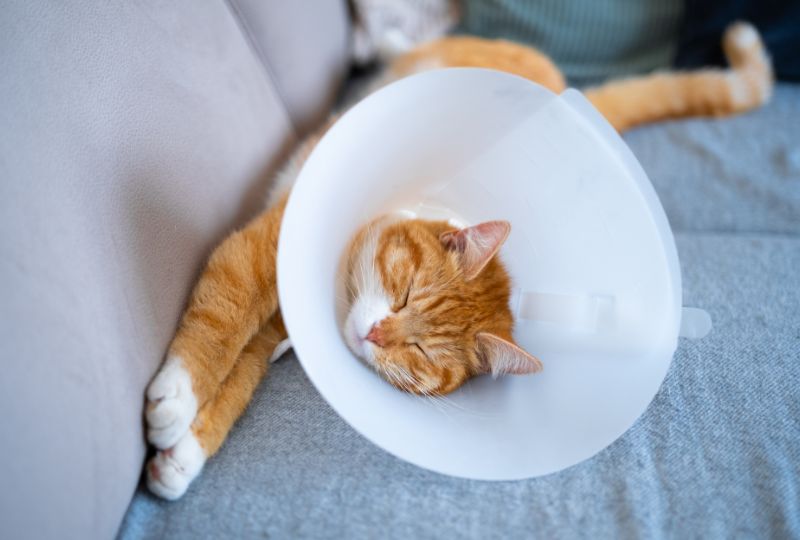
Your veterinarian may recommend an Elizabethan collar, commonly called a cone. Keep it on as instructed, even when your pet seems less interested in the surgical site.
Check the incision regularly for unusual redness, swelling, bleeding, discharge, or an unpleasant smell. Do not apply creams, ointments, or cleaning products unless your veterinary team recommends them. Keep the incision dry and avoid bathing or swimming until your veterinarian approves.
Keep a Consistent Daily Routine
Pets often feel more secure when their surroundings remain familiar. Try to maintain regular feeding, medication, bathroom, and resting schedules.
Avoid introducing new foods, treats, or unfamiliar activities during recovery. Sudden changes can upset your pet’s stomach or make it harder to monitor their appetite.
For dogs, keep bathroom breaks brief and controlled. Cats should stay indoors and have easy access to their litter box.
A predictable routine also helps you notice changes in your pet’s behavior. You may recognize discomfort sooner when you understand their usual habits.
Signs Your Pet Needs Veterinary Attention
Some changes are expected after anesthesia. Your pet may sleep more, eat less, or move slowly during the initial recovery period.
However, certain symptoms should never be ignored. Contact your veterinary team if you notice:
- Increasing redness, swelling, bleeding, or discharge around the incision.
- Persistent vomiting, diarrhea, or refusal to drink water.
- Unusual weakness, worsening lethargy, or difficulty standing.
- Excessive whining, restlessness, or signs of uncontrolled pain.
- Difficulty urinating or passing stool.
- Labored breathing, pale gums, or sudden changes in responsiveness.
Breathing difficulties, pale gums, collapse, or severe weakness require immediate veterinary attention. Do not wait for a scheduled follow-up appointment.
When something seems unusual, contact your veterinarian rather than attempting home treatment. Early attention can help prevent a minor concern from becoming a serious complication.
How Our Vets Support Your Pet’s Recovery
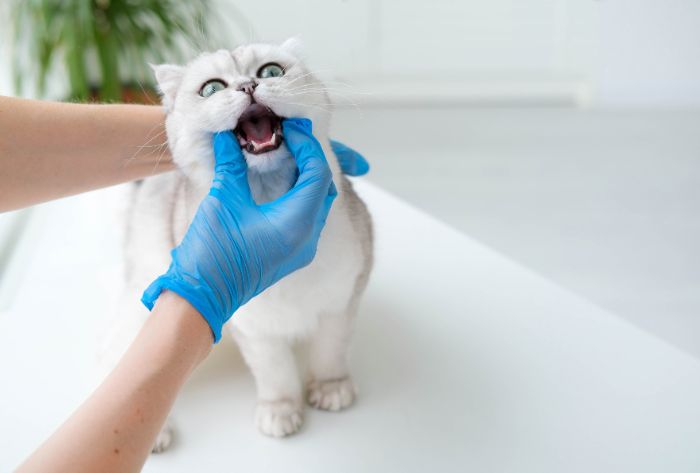
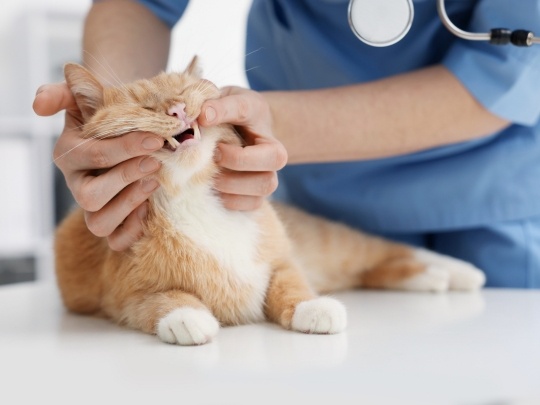
Preparing your home is important, but professional veterinary guidance remains essential throughout healing. Each procedure has different recovery requirements, and your pet’s needs may change as healing progresses.
At Pure Paws Veterinary Care of Hudson Square, we understand that surgery can be worrying for both pets and their families. Our veterinarians explain why a procedure is needed and discuss the care required before and after the operation.
Our surgical services include:
- Soft-tissue surgery: Procedures such as spaying, neutering, tumor removal, and trauma repair.
- Oral surgery: Treatment for dental conditions that cause pain, discomfort, or infection.
- Mass removal: Removal of certain tumors, cysts, and hernias when medically appropriate.
- Foreign body removal: Surgical intervention when swallowed objects cannot safely pass through the digestive tract.
Our vets also emphasize pain management and monitor vital signs throughout surgical procedures. These measures help support patient safety and comfort.
If your pet needs pet surgery, we can explain the procedure and discuss the recovery care involved. Our team can help you understand what to expect and how to prepare your home.
Following your discharge instructions and attending recommended rechecks are important parts of the process. They allow our veterinary team to assess healing and address concerns along the way.
Help Your Pet Feel Safe While Healing
Recovery does not happen overnight. Your pet may need extra rest, a little more attention, and temporary changes to everyday activities. A quiet resting area, comfortable bedding, accessible essentials, and restricted movement can make this period easier.
Small changes at home can have a meaningful effect on your pet’s comfort. However, they work best alongside proper veterinary care, prescribed medication, and regular monitoring. Every pet deserves a recovery plan that considers their procedure, health, and individual needs.
At Pure Paws Veterinary Care of Hudson Square, we are here to help you make informed decisions about your pet’s health. Whether you are preparing for an upcoming procedure or have questions about recovery, our veterinary team is ready to help.
Give Your Pet the Care Recovery Deserves
Your pet depends on you for comfort, safety, and support during healing. Let our veterinary team help you prepare for every step.
Contact Pure Paws Veterinary Care of Hudson Square at (212) 203-4187 to discuss your pet’s surgical needs, recovery instructions, or follow-up care. Schedule an appointment and let us work with you to support your pet’s health and comfort.
Frequently Asked Questions
1. How long does a pet usually need to rest after surgery?
Recovery time depends on the procedure, your pet’s age, and overall health. Some pets recover within days, while others need several weeks. Follow your veterinarian’s activity restrictions and avoid returning to normal exercise too soon.
2. Should I let my pet sleep alone after surgery?
Your pet should have a quiet, comfortable resting area where you can check on them regularly. Avoid leaving them unsupervised for extended periods, especially during the initial recovery period. Follow any additional monitoring instructions from your veterinarian.
3. Where can I find pet surgery in Hudson Square?
Pure Paws Veterinary Care of Hudson Square provides general and advanced surgical services for pets. Our veterinarians explain surgical procedures, discuss pain management, and provide guidance on preoperative and postoperative care.
4. What should I do if my pet keeps licking the incision?
Prevent your pet from licking or chewing the surgical area. An Elizabethan collar may help protect the incision. Contact Pure Paws Veterinary Care of Hudson Square if licking continues or you notice irritation, swelling, or discharge.
5. Can I take my dog for walks during recovery?
Short, controlled bathroom breaks may be permitted, depending on the procedure. Avoid running, jumping, and strenuous exercise until your veterinarian approves. Pure Paws Veterinary Care of Hudson Square can guide you on appropriate activity restrictions.
6. When should I schedule a follow-up appointment after surgery?
Follow-up timing depends on the procedure and your pet’s healing progress. Your veterinarian may recommend an examination to check the incision, assess recovery, or remove external sutures. Pure Paws Veterinary Care of Hudson Square can help arrange appropriate follow-up care.