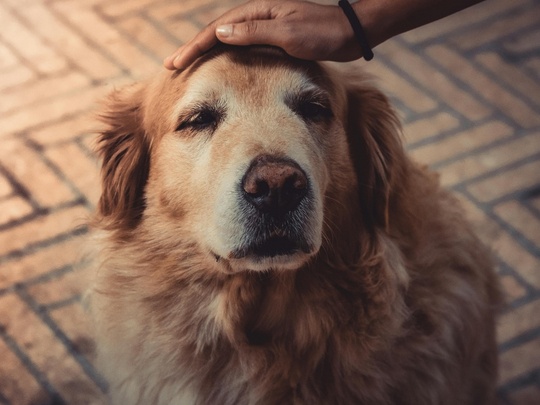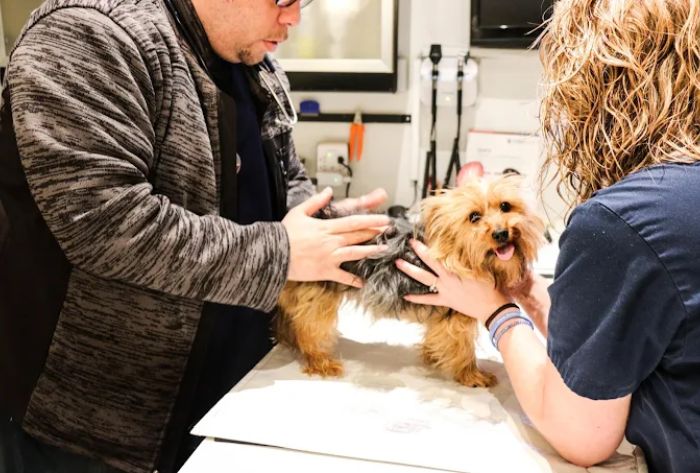
Hearing that your pet needs surgery can bring several concerns to mind. You may wonder about anesthesia, possible complications, pain, and how your pet will feel afterward. Even routine procedures can feel overwhelming when your beloved companion is the one undergoing treatment. Having these concerns is natural, especially when you want to make the right decisions for your pet.
For pet owners in Brooklyn, understanding the procedure beforehand can make the entire experience less stressful. A conversation with your veterinarian helps you understand your pet’s condition, available treatment options, and what recovery may involve. It also gives you an opportunity to discuss concerns that might otherwise go unanswered. Knowing what to expect helps you prepare your home, follow medical instructions, and support your pet throughout recovery. Most importantly, asking the right questions allows you to make informed decisions with your veterinary team.
Important Questions to Ask Your Veterinarian
A little preparation can make your surgical consultation more productive. Consider discussing the following questions with your veterinarian before scheduling the procedure.
Why Does My Pet Need Surgery?
Start by understanding the medical reason behind the recommendation. Ask your veterinarian what condition requires treatment and how the procedure could help your pet.
You can also ask:
- What happens if we delay the procedure?
- Are there nonsurgical treatment options?
- What improvements should I expect after surgery?
- Is the procedure necessary immediately?
These questions help you understand the purpose of treatment. They also allow you to consider the available options before making a decision.
What Type of Surgical Procedure Will My Pet Undergo?
Not every surgical procedure addresses the same health concern. Some operations treat injuries, while others remove abnormal growths or address reproductive health.
Ask your veterinarian to explain the procedure in simple terms. Find out which area of your pet’s body requires treatment and what the process involves.
Common veterinary procedures include:
- Soft-Tissue Surgery: Treats conditions involving organs, skin, and other soft tissues. Examples include mass removal and trauma repair.
- Spay and Neuter Surgery: Prevents reproduction and may reduce certain reproductive health risks.
- Oral Surgery: Addresses dental conditions that cause pain, infection, or difficulty eating.
- Mass Removal: Removes growths, cysts, or other abnormal tissue when medically indicated.
- Foreign Body Removal: Removes swallowed objects that may cause digestive blockages or other complications.
Understanding the planned procedure helps you prepare for your pet’s specific needs.
What Tests Are Needed Before Pet Surgery?
Your veterinarian may recommend certain tests before proceeding. These tests help assess your pet’s current health and identify potential concerns.
Ask whether your pet needs bloodwork, imaging, or other diagnostic evaluations. Also, find out whether their age, medical history, or existing conditions affect surgical preparation.
You may want to ask:
- What will these tests help identify?
- Does my pet need any additional examinations?
- Could an existing health condition affect anesthesia?
- When will we receive the test results?
Preoperative assessments help your veterinarian make informed decisions about your pet’s care. Follow their recommendations and share any recent changes in your pet’s health.
What Are the Risks of Anesthesia?
Anesthesia allows veterinarians to perform surgical procedures while preventing pain and keeping pets comfortable. However, individual health conditions can influence how an animal responds to anesthetic medications.
Ask your veterinarian which anesthesia approach is appropriate for your pet. Discuss any concerns involving age, allergies, previous reactions, or ongoing medications.
Other useful questions include:
- How will my pet be monitored under anesthesia?
- What possible complications should I understand?
- How will you determine the appropriate anesthetic dosage?
- What should I expect when my pet wakes up?
Your veterinarian can explain the precautions used during the procedure. Our doctors also monitor vital signs throughout pet surgery to support patient safety.
How Will You Manage My Pet’s Pain?
Pain management is an important part of surgical care. Pets may experience discomfort after an operation, even when the procedure goes as planned.
Ask your veterinarian how pain will be managed during and after surgery. Find out which medications may be needed and how you should administer them at home.
You can also discuss:
- How will you recognize signs of pain?
- What side effects might medications cause?
- How long might discomfort last?
- When should I contact you about unusual behavior?
Never give your pet human pain medication unless your veterinarian specifically approves it. Some medications intended for people can seriously harm animals.
How Should I Prepare My Pet Before the Surgical Treatment?
Following preoperative instructions helps prevent avoidable problems and prepares your pet for treatment.
Your veterinarian may provide specific instructions about food, water, medications, and activity restrictions. These instructions can vary depending on the procedure and your pet’s medical needs.
Before leaving the appointment, clarify:
- When should my pet stop eating?
- Can my pet drink water before surgery?
- Should regular medications be continued?
- Do I need to bring any medical records?
- What time should I arrive?
Do not assume fasting or medication instructions are the same for every procedure. Always follow the directions provided by your veterinary team.
How Long Will Recovery Take?
Recovery varies depending on the operation, your pet’s overall health, and their individual healing process. Some pets return to normal activities sooner than others.
Ask your veterinarian for a realistic recovery timeline. Find out how long your pet should rest and when normal activities can gradually resume.
You should also discuss:
- When can my pet eat and drink normally?
- How long should exercise be restricted?
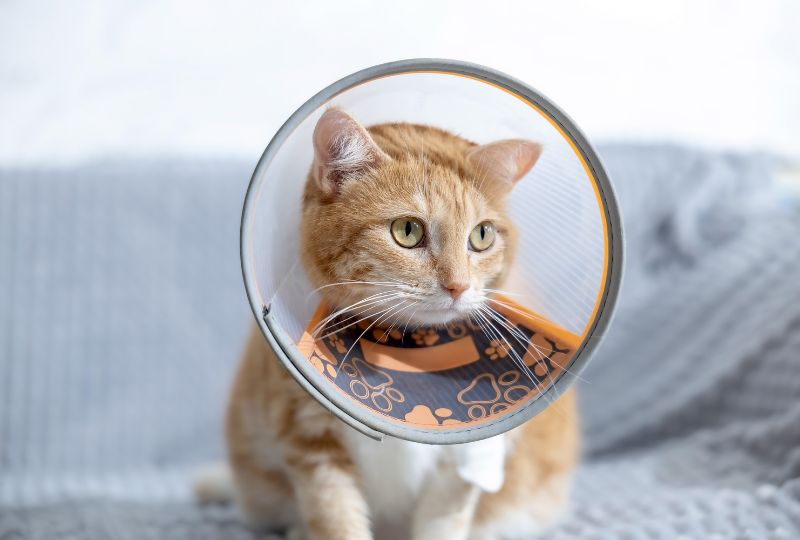
- Will my pet need a protective collar?
- When should we schedule a follow-up examination?
Understanding these details helps you create a comfortable recovery environment. It also prevents pets from returning to strenuous activities before they are ready.
What Will My Pet Need During Recovery?
Your pet may need extra attention and activity restrictions after the process. Preparing a quiet, comfortable space can make recovery easier.
Ask your veterinarian what arrangements you should make at home. Depending on the procedure, your pet may need a separate resting area, limited movement, or assistance with everyday activities.
Discuss these important details:
- Should my pet stay away from stairs?
- How should I keep the incision area clean?
- Can my pet bathe during recovery?
- Should I prevent jumping and running?
- How often should I check the surgical site?
Follow the recommended instructions carefully. Contact your veterinarian if you notice unusual swelling, discharge, persistent bleeding, or changes in your pet’s behavior.
What Warning Signs Should I Watch For?
Knowing which symptoms require attention can help you respond quickly after your pet returns home.
Ask your veterinarian which changes are expected during recovery and which ones require medical attention. Some mild tiredness or temporary appetite changes may occur, depending on the procedure and medications.
However, certain symptoms should never be ignored. These may include:
- Difficulty breathing or unusual breathing patterns
- Repeated vomiting or diarrhea
- Excessive bleeding or wound discharge
- Severe swelling around the incision
- Extreme weakness or difficulty standing
- Persistent signs of pain or distress
Ask for clear instructions about when to call the clinic and when your pet needs immediate veterinary attention. Keep the clinic’s contact information somewhere accessible.
Will My Pet Need Follow-Up Visits?
Surgical care does not end when your pet leaves the clinic. Follow-up examinations help your veterinarian assess healing and address any concerns.
Ask when your pet should return for an examination. You should also find out whether stitches need removal or whether additional tests are necessary.
Your veterinarian may recommend changes to medications or activity restrictions based on your pet’s progress. Keep track of their appetite, energy, mobility, and behavior between appointments.
These observations can help your veterinary team understand how recovery is progressing.
Give Your Pet the Care They Deserve
At Pure Paws Veterinary Care of Clinton Hill, we are here to help you make informed decisions about your pet’s health. Our vets take time to explain pet surgery, discuss pain management, and guide you through preoperative and postoperative care.
Does your pet need a surgical evaluation? Contact our veterinary team today at (718) 783-5500 or visit our clinic at 944 Fulton St., Brooklyn, NY 11238. Schedule an appointment and let us help you take the next step toward your pet’s health and well-being.
Frequently Asked Questions
1. How do I know if my pet is ready for surgery?
Your veterinarian will evaluate your pet’s overall health, medical history, and current condition before recommending surgery. They may suggest bloodwork or other diagnostic tests to identify potential concerns. Share any recent changes in appetite, behavior, or activity before the procedure.
2. Should I stop giving my pet medication before surgery?
Not necessarily. Some medications may need adjustments, while others should continue as prescribed. Always discuss your pet’s current medications with your veterinarian before surgery. Never stop or change a prescribed medication without receiving specific instructions from your veterinary team.
3. How can I make my pet comfortable after surgery?
Prepare a quiet resting area with clean, comfortable bedding. Keep food and water accessible, and limit jumping, running, and strenuous activity. Follow medication instructions and monitor the surgical site. Contact your veterinarian if you notice unusual symptoms or changes in behavior.
4. Can Pure Paws Veterinary Care of Clinton Hill perform different types of pet surgeries in Brooklyn?
Yes. Pure Paws Veterinary Care of Clinton Hill provides general and advanced surgical care, including soft-tissue procedures, spaying and neutering, oral surgery, mass removal, and foreign body removal. Our vets explain recommended procedures and discuss preparation and recovery needs.
5. How does Pure Paws Veterinary Care of Clinton Hill manage pets during surgery?
Our doctors prioritize pain management and monitor pets’ vital signs before, during, and after surgery. We also explain the reasons for recommended procedures and discuss preoperative and postoperative care. This helps pet owners understand what their companions need throughout treatment.
6. When should I contact Pure Paws Veterinary Care of Clinton Hill after my pet’s surgery?
Contact our veterinary team if your pet experiences persistent pain, unusual swelling, wound discharge, bleeding, or changes that concern you. Difficulty breathing, collapse, or severe distress requires immediate veterinary attention. Our team can help you understand the next steps for your pet.