Bringing home a kitten is an exciting moment filled with cuddles, playful behavior, and new memories. However, one of the first steps after adoption should be scheduling a veterinary visit. Early checkups help create a strong foundation for your kitten’s lifelong health.
Many new pet parents feel unsure about what happens during the first appointment. They may wonder about examinations, vaccines, tests, and preventive care. Knowing what to expect can help you and your kitten feel more comfortable.
At Pure Paws Veterinary Care of Clinton Hill, we focus on creating positive experiences for young cats and their families. Our team provides complete wellness support, preventive care, vaccinations, nutrition guidance, and health recommendations for growing kittens in New York.
Why Is the First Vet Visit Important for a Kitten?
A kitten’s early months are important for growth and development. During this stage, their immune system is still developing. Regular veterinary visits help identify health concerns before they become serious.
The first appointment allows your veterinarian to understand your kitten’s current health condition. It also creates a personalized care plan based on age, lifestyle, and medical needs.
Professional kitten care supports healthy development, strong immunity, and positive habits throughout your cat’s life. A first visit also gives pet parents an opportunity to ask questions. You can discuss feeding routines, litter habits, behavior, and safety at home.
When Should a Kitten Have Their First Vet Visit?
Most kittens should visit a veterinarian soon after joining their new family. Many veterinarians recommend scheduling the first appointment within the first few weeks of adoption.
A younger kitten may need earlier attention because they require vaccine schedules and growth monitoring. Older kittens may need a complete health assessment after adoption. Your veterinarian will guide you on the right timing based on your kitten’s age and health history.
What Happens Before the Examination Begins?
The appointment usually starts with a conversation about your kitten’s background. Your veterinary team may ask questions about:
- Adoption history
- Previous medical records
- Vaccination history
- Diet and feeding schedule
- Energy levels
- Litter box habits
- Behavior changes
This information helps your veterinarian understand your kitten’s daily routine.
You should bring any available medical documents from shelters, breeders, or previous veterinary visits. This allows the team to create accurate health recommendations.
What Does the Physical Exam Include?
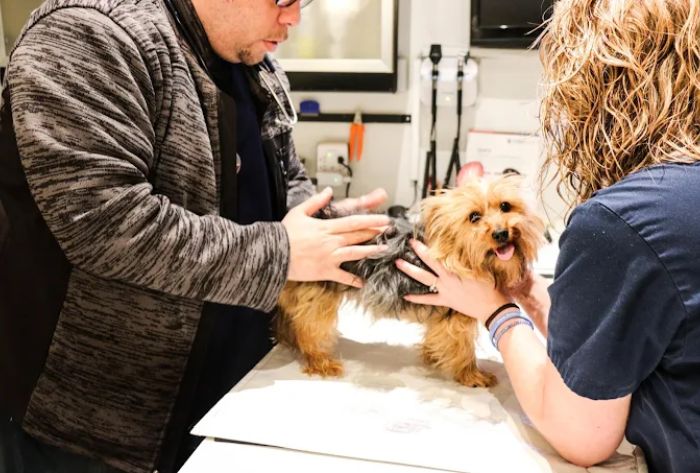
The physical examination is one of the most important parts of the first visit. Your veterinarian will carefully check your kitten from head to tail.
The exam may include:
Weight and Growth Assessment
Your veterinarian will measure your kitten’s weight and evaluate growth patterns. Healthy weight gain is important during early development.
Changes in weight can sometimes indicate nutritional problems or underlying health concerns.
Eye, Ear, and Nose Evaluation
The veterinarian will check your kitten’s eyes, ears, and nose for signs of infection or irritation. Young cats can develop conditions like ear mites or respiratory infections. Early detection allows faster treatment.
Skin and Coat Examination
Your kitten’s skin and fur provide important clues about overall health. The veterinarian may look for parasites, skin irritation, fleas, or unusual changes.
Heart and Lung Check
Your kitten’s heart and breathing will be evaluated using a stethoscope. This helps identify abnormal sounds or concerns that may require additional attention.
Mouth and Dental Evaluation
Dental development is also reviewed during the first appointment. Your veterinarian may examine your kitten’s teeth, gums, and oral health. Early dental awareness supports better long-term wellness.
Will My Kitten Receive Vaccines During the First Visit?
Vaccinations are an important part of early kitten health. They help protect against several preventable diseases. Your veterinarian will review your kitten’s vaccination history. They will recommend vaccines based on age, lifestyle, and risk factors.
Vaccination schedules usually require multiple visits. This helps provide continued protection as your kitten grows. Your veterinary team will explain when future vaccine appointments should be scheduled.
Are Tests Recommended During the First Kitten Appointment?
Some kittens may need additional testing during their first visit. The need for tests depends on health history, age, and physical examination findings.
Common recommendations may include:
- Parasite screening
- Stool testing
- Blood testing when needed
- Disease screening based on risk factors
Testing helps veterinarians detect hidden health concerns. It also provides valuable information for creating a complete wellness plan.
What Should I Ask the Veterinarian During the Visit?
The first appointment is the perfect time to discuss your needs.
Consider asking questions about:
- Recommended kitten food
- Feeding portions
- Vaccination schedules
- Spaying or neutering timelines
- Parasite prevention
- Safe toys and activities
- Behavioral training
- Grooming needs
No question is too small when it involves your kitten’s health.
Your veterinary team can provide guidance on kitten care to help you feel confident as a new pet parent.
How Can You Prepare Your Kitten for the Appointment?
A little preparation can make the visit easier for your kitten. Follow these steps before the appointment:
Use a Comfortable Carrier
Keep your kitten inside a secure carrier during transportation. This reduces stress and keeps them safe.
Bring Familiar Items
A small blanket or toy with familiar scents can help your kitten feel calmer.
Avoid Stressful Handling
Practice gentle handling before the appointment. Touch their paws, ears, and mouth briefly. This helps them become comfortable with veterinary examinations.
Building Healthy Habits After the First Visit
The first appointment is only the beginning of your kitten’s health journey. Consistent veterinary visits support preventive care and early detection. They also help your kitten become comfortable with medical care. A strong wellness routine includes proper nutrition, regular exams, parasite prevention, and attention to behavioral changes.
At Pure Paws Veterinary Care of Clinton Hill, our team supports families throughout every stage of their cat’s life. We provide compassionate guidance to help kittens grow into healthy adult cats.
How Pure Paws Veterinary Care Supports Kitten Health in New York
Choosing the right veterinary team is an important decision for your new companion. At our veterinary practice, we understand that kittens are cherished members of your family. Our approach focuses on gentle handling, preventive medicine, and personalized recommendations.
From the first examination to ongoing wellness visits, our team helps create a healthy future for your kitten. Quality kitten care begins with early veterinary support and consistent health monitoring. Scheduling your kitten’s first appointment can be the first step toward a long and happy life together.
Schedule Your Kitten’s First Veterinary Visit Today
Your kitten deserves a healthy beginning filled with comfort, care, and protection. Early veterinary visits help establish habits that support lifelong wellness.
If you recently welcomed a kitten into your family, schedule an appointment with Pure Paws Veterinary Care of Clinton Hill. Our team is here to provide compassionate guidance and reliable veterinary support for your growing companion.
So why wait? Book an appointment today!
Frequently Asked Questions
1. How old should a kitten be for the first vet visit?
Most kittens should visit a veterinarian shortly after adoption. The exact timing depends on their age, health history, and previous medical care.
2. What happens during a kitten’s first veterinary appointment?
The first visit usually includes a physical examination, health history review, vaccine discussion, and preventive care recommendations.
3. Does my kitten need vaccines at the first visit?
Your veterinarian will review your kitten’s age and vaccination history. They will recommend the appropriate vaccine schedule.
4. Should I bring anything to my kitten’s first vet appointment?
Bring medical records, adoption paperwork, current food information, and any questions about your kitten’s health or behavior.
5. How can I make my kitten less afraid of the veterinarian?
Using a comfortable carrier, practicing gentle handling, and bringing familiar items can help reduce stress during visits.
6. What health problems can veterinarians detect in young kittens?
Veterinarians can identify concerns related to parasites, infections, nutrition, growth, and overall development during early examinations.
7. How often should kittens visit the veterinarian?
Kittens typically require several visits during their first year for vaccines, growth monitoring, and preventive care. Your veterinarian will recommend a schedule based on your kitten’s needs.g