As pets grow older, their needs begin to change. The playful puppy or curious kitten you once welcomed may now require extra attention, comfort, and medical support. Aging is a natural process, but it does not mean your pet cannot continue enjoying a happy life.
Senior pets often experience changes in mobility, nutrition, behavior, and overall health. Recognizing these changes early can help improve their comfort and daily experiences. Regular veterinary care allows pet owners to understand their pet’s changing needs and provide appropriate support.
At Pure Paws Veterinary Care of Clinton Hill, pets receive personalized care that considers their complete health. The team focuses on preventive medicine, wellness evaluations, and treatment plans that support pets throughout every stage of life.
Understanding how senior pet care improves quality of life can help you make informed decisions for your aging companion. To get more details about it, read this blog till the end.
When Is a Pet Considered Senior?
The age when a pet becomes a senior depends on their species, breed, and size. Larger dogs often age faster than smaller dogs. Cats may also show signs of aging at different times.
Many pets begin entering their senior years around seven years of age. However, some pets remain active and healthy much longer.
Common signs of aging may include:
- Reduced energy levels
- Changes in sleeping habits
- Difficulty climbing stairs
- Weight changes
- Less interest in activities
- Changes in hearing or vision
- Increased thirst or urination
- Behavioral changes
These signs are not always caused by normal aging alone. They may indicate underlying health concerns that require veterinary attention.
Why Regular Veterinary Visits Matter for Aging Pets
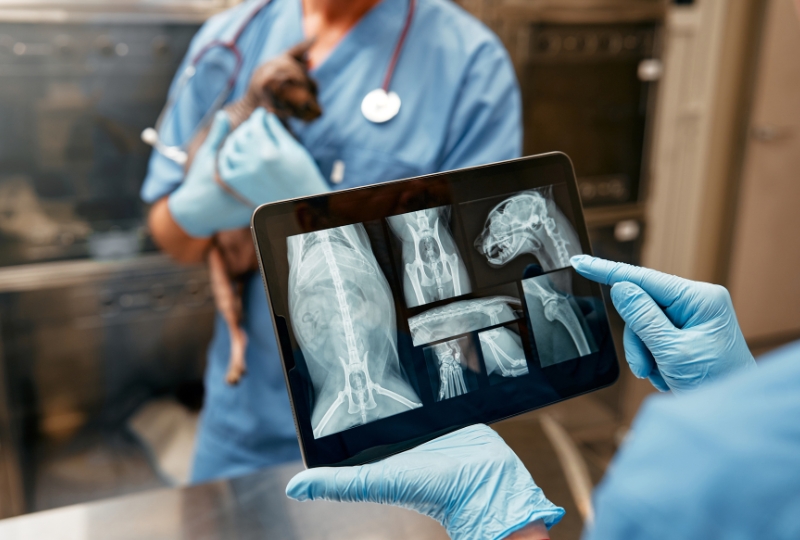
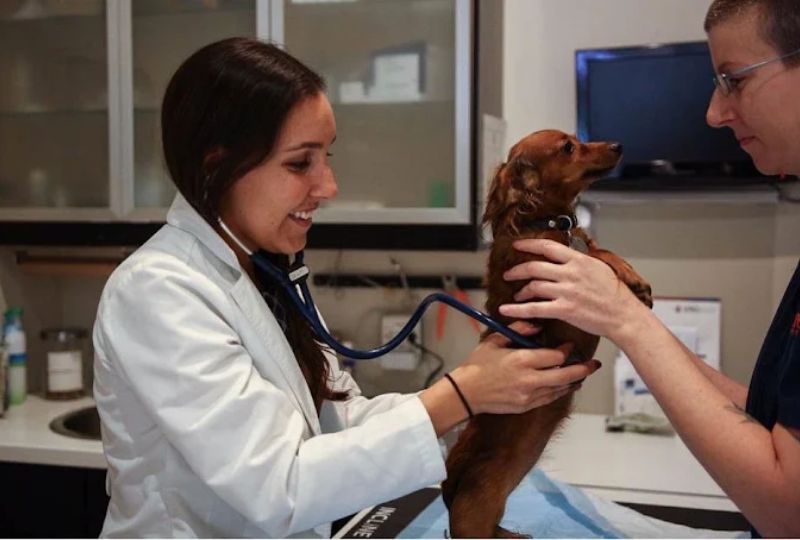
Older pets benefit from more frequent health evaluations. Their bodies can develop changes that are difficult to notice at home. Routine examinations allow veterinarians to monitor important health indicators. These visits may include physical evaluations, bloodwork, nutritional discussions, and diagnostic testing.
Early detection can help identify conditions before they become more serious. It also allows veterinarians to create care plans based on your pet’s individual needs. Regular checkups are a key part because they support prevention, early intervention, and long-term wellness.
How Professional Care for Aging Pets Supports Better Mobility
Mobility changes are common in older pets. Arthritis, joint stiffness, and muscle loss can affect their ability to move comfortably.
Aging pets may avoid jumping, walking, or playing because movement becomes uncomfortable. These changes can affect their mood and overall happiness.
Veterinary guidance can help manage mobility concerns through:
- Weight management recommendations
- Exercise adjustments
- Joint support options
- Pain management strategies
- Lifestyle modifications
Small changes at home can also make a difference. Soft bedding, easy access to food and water, and safer walking areas can improve daily comfort.
Supporting Your Senior Pet’s Nutrition Needs
Aging pets often require different nutritional support than younger animals. Their metabolism, activity levels, and health conditions may change over time.
A veterinarian can help determine the right diet based on your pet’s condition. Nutrition plans may support healthy weight, digestion, joint health, and overall wellness.
Some senior pets may need adjustments because of medical concerns. Conditions affecting the kidneys, heart, or digestive system may require specific dietary recommendations. Providing appropriate nutrition helps your pet maintain energy and enjoy daily activities.
Managing Health Changes Before They Affect Quality of Life
Many health issues become more common as pets age. These may include dental problems, chronic conditions, vision changes, and mobility concerns.
Pets often hide discomfort because of their natural instincts. This makes regular monitoring especially important.
Pet owners should watch for changes such as:
- Difficulty eating
- Sudden weight loss
- Increased sleeping
- Changes in personality
- Trouble standing or walking
- Reduced grooming habits
Discussing these changes with a veterinarian can help determine the right next steps.
The Importance of Dental Health for Older Pets
Dental problems can affect pets at any age, but senior pets may face a higher risk of oral health concerns. Plaque buildup and dental disease can cause discomfort while eating. Untreated dental issues may also affect overall wellness.
Professional dental evaluations help identify problems that may not be visible during regular home care. Maintaining oral health can help senior pets stay comfortable and continue enjoying their meals.
Creating a Comfortable Home Environment for Senior Pets
Your home environment plays an important role in your pet’s quality of life. Simple adjustments can help older pets feel more secure.
Consider making these changes:
- Provide supportive bedding
- Keep essentials within easy reach
- Reduce slippery surfaces
- Maintain predictable routines
- Offer gentle mental stimulation
Older pets may not have the same energy as before. However, they still enjoy affection, attention, and meaningful interaction.
Spending quality time with your pet supports their emotional well-being.
How Veterinary Care Helps Older Pets Stay Healthier
Aging pets need care that focuses on their changing needs. Veterinary teams evaluate multiple aspects of health to create appropriate recommendations.
Pure Paws Veterinary Care of Clinton Hill provides comprehensive senior pet care. The veterinary team understands that every pet has a unique history. Their approach considers your pet’s lifestyle, health concerns, and comfort.
With consistent monitoring and proper support, many senior pets continue enjoying active and fulfilling lives.
Signs Your Aging Pet May Need Veterinary Attention
Pet owners should schedule a veterinary visit if they notice sudden changes.
Important warning signs include:
- Loss of appetite
- Unexplained weight changes
- Difficulty breathing
- Persistent vomiting or diarrhea
- Sudden behavior changes
- Increased pain or discomfort
- Trouble walking
Even small changes can provide important information about your pet’s health.
Prompt evaluation helps ensure your companion receives appropriate care at the right time.
Help Your Senior Pet Enjoy a Healthier Life
Your pet has spent years providing companionship, love, and loyalty. As they grow older, they deserve the same care and attention in return.
Aging does not have to limit your pet’s happiness. With regular veterinary visits, proper nutrition, comfort adjustments, and early health monitoring, senior pets can continue enjoying meaningful moments with their families.
If you are looking for compassionate support for your aging companion in Brooklyn, Pure Paws Veterinary Care of Clinton Hill provides personalized veterinary services designed around your pet’s needs. Schedule an appointment today and help your pet enjoy a healthier, more comfortable life.
Frequently Asked Questions
1. How often should senior pets visit the veterinarian?
Senior pets may benefit from more frequent veterinary visits than younger pets. Regular examinations help monitor health changes and identify concerns early.
2. What are common health problems in older pets?
Older pets may experience arthritis, dental disease, kidney issues, weight changes, vision problems, and other age-related conditions.
3. How can I make my senior pet more comfortable at home?
You can improve comfort by providing supportive bedding, maintaining routines, reducing obstacles, and creating an accessible living space.
4. Do senior pets need a different diet?
Many older pets benefit from nutrition adjustments. A veterinarian can recommend food choices based on your pet’s health and lifestyle.
5. How do I know if my senior pet is in pain?
Signs of pain may include reduced activity, difficulty moving, changes in behavior, reduced appetite, or avoiding interaction.
6. Can regular checkups extend my senior pet’s life?
Regular veterinary care helps detect health concerns earlier. This allows timely management and supports better overall wellness.
7. When should I schedule a senior pet wellness visit?
Schedule a visit when your pet enters their senior years or whenever you notice changes in behavior, appetite, movement, or energy levels. Regular care helps protect their comfort and health.