Grooming is an important part of raising a healthy and comfortable puppy. Early experiences with brushing, nail trims, bathing, ear cleaning, and gentle handling can help young dogs become more comfortable with these routines as they grow. Consistent grooming also gives pet parents an opportunity to notice changes in the coat, skin, paws, ears, or overall appearance. By making these activities calm and positive from the beginning, families can make puppy care easier while helping their companions develop healthy lifelong habits, especially for families in Brooklyn, NY.
Why Grooming Habits Matter for Puppies
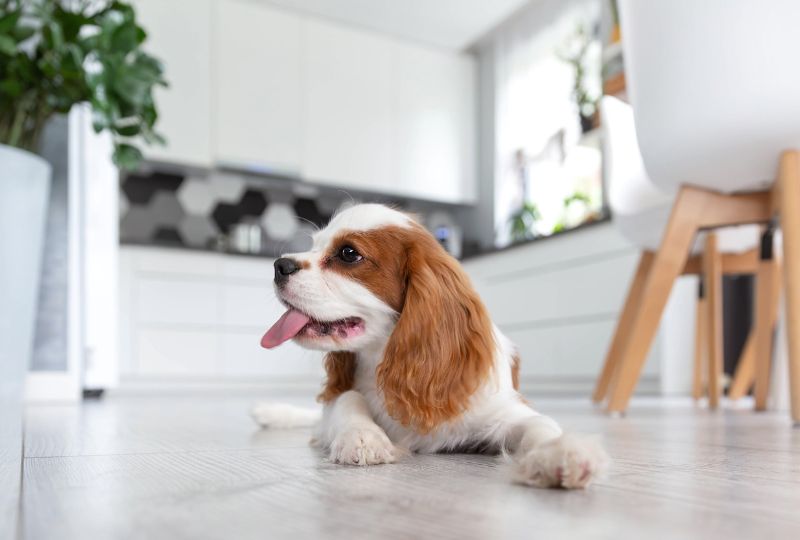
Puppies explore the world with curiosity, which makes their early months an excellent time to introduce new experiences. Grooming can become a normal part of their routine when pet parents approach it patiently. As part of puppy care, these early grooming experiences can help young dogs become familiar with being brushed, handled, and gently examined.
Regular grooming helps remove loose hair, dirt, and debris from the coat. It can also give pet parents an opportunity to notice changes such as irritated skin, unusual lumps, redness, or areas of sensitivity. Therefore, grooming is not simply about appearance. It can support cleanliness while helping families become more familiar with their puppy’s normal condition.
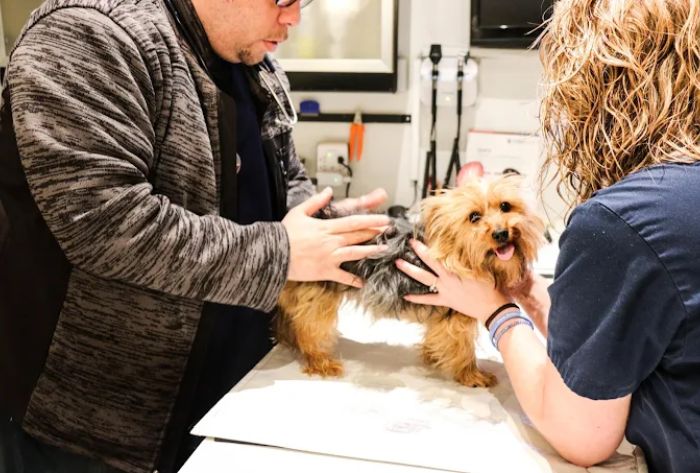
In addition, gentle grooming helps puppies become comfortable with being touched. This familiarity can make future veterinary examinations and other handling less stressful. With consistent practice and positive reinforcement, puppies can gradually learn that grooming is a safe and routine part of their daily lives.
Start With Short and Positive Sessions
Young puppies may not have the patience for lengthy grooming sessions. Instead, begin with just a few minutes and gradually increase the amount of time as your puppy becomes more comfortable.
Choose a quiet area without distractions. Let your puppy sniff the brush or grooming tools before using them. Then, gently touch areas such as the shoulders, back, paws, and ears.
Reward calm behavior with praise, affection, or a small treat. As a result, your puppy can begin to associate grooming with positive experiences.
If your puppy becomes nervous, avoid forcing the process. Take a break and try again later. Patience is more effective than rushing through a grooming session.
Introduce Brushing Gradually
Brushing should become a regular part of your puppy’s routine, although the ideal frequency depends on coat type. Puppies with longer or thicker coats may need more frequent brushing to prevent tangles and mats.
Start by gently brushing a small section of the coat. Keep movements slow and avoid pulling on knots. If you encounter a difficult mat, do not tug aggressively because this can cause discomfort.
As your puppy becomes accustomed to brushing, gradually cover more areas of the body. Regular brushing can also help reduce loose hair around the home and keep the coat looking healthy.
Make Paw and Nail Handling Normal
Many puppies dislike having their paws handled. However, early practice can make nail maintenance much easier later in life.
Begin by gently touching each paw for a few seconds. Gradually introduce light pressure to the toes and let your puppy see and smell the nail clippers or grinder without immediately using them.
Reward calm behavior throughout the process. Eventually, your puppy can become comfortable with having individual nails handled.
Keep sessions brief. If your puppy struggles, stop and return to an easier step during another session. Trying to trim every nail at once is not always necessary, particularly when a puppy is still learning.
Teach Your Puppy to Accept Bathing
Bathing can also become easier when introduced gradually. Before the first full bath, allow your puppy to explore the bathroom or bathing area. You can introduce the sound of running water from a distance before placing your puppy in the tub.
Use lukewarm water and a puppy-appropriate shampoo when bathing is appropriate. Keep water away from the eyes and avoid getting excessive moisture inside the ears.
Afterward, gently towel-dry your puppy and provide positive reinforcement. Avoid making bath time unnecessarily long. A calm and predictable routine can help your puppy feel more secure.
Pay Attention to the Ears and Face
Some puppies need regular attention around the ears and face, depending on their breed, coat, and individual needs. Check these areas gently during routine handling.
Look for signs such as redness, swelling, unusual odor, discharge, or persistent scratching. If you notice something unusual, consult a veterinary team rather than attempting to treat the problem yourself.
Similarly, keep the hair around the face clean when needed, but use extra caution around the eyes. If trimming is necessary, consider having it performed by an experienced groomer.
Introduce Dental and Oral Handling Early
Grooming habits can also include getting your puppy comfortable with gentle mouth handling. Slowly lift the lips and briefly touch the gums and teeth. Reward calm behavior and gradually increase the duration.
Once your puppy accepts this handling, you can introduce a pet toothbrush and veterinarian-recommended toothpaste. Never use human toothpaste unless a veterinary professional specifically advises otherwise.
Starting early can make daily oral hygiene easier to maintain as your dog matures. It can also help your puppy become more comfortable with veterinary dental evaluations.
Create a Consistent Grooming Schedule
Consistency makes routines easier for puppies to understand. Set aside a few minutes several times each week for simple grooming activities.
For example, one session might focus on brushing, while another can involve paw handling. You can also combine brief ear checks, coat inspection, and mouth handling into everyday interactions.
The right schedule depends on your puppy’s coat, breed, age, and individual needs. Therefore, avoid assuming that every puppy requires the same grooming routine.
Know When to Seek Veterinary Guidance
Some grooming concerns may indicate an underlying health issue. Persistent itching, hair loss, inflamed skin, recurring ear problems, unpleasant odors, or discomfort during handling should not be ignored.
A veterinary team can help determine whether a concern relates to normal grooming needs or requires further evaluation. Regular wellness visits also provide an opportunity to discuss your puppy’s coat, skin, ears, nails, and oral health.
At Pure Paws Veterinary Care of Clinton Hill, pet parents can discuss age-appropriate routines and other health needs with a veterinary team familiar with puppy development. Building healthy habits early can support your puppy’s comfort while creating routines that remain useful throughout adulthood.
Tips for Making Grooming Easier
Keep these simple strategies in mind:
- Start grooming when your puppy is calm and relaxed.
- Keep early sessions short.
- Introduce one grooming activity at a time.
- Reward calm behavior with praise or treats.
- Use tools appropriate for your puppy’s coat and size.
- Never pull aggressively on mats or tangled hair.
- Handle paws, ears, and the mouth gently.
- Stop when your puppy becomes overwhelmed.
- Maintain a consistent routine.
- Ask your veterinary team about grooming concerns that seem unusual.
With patience and repetition, grooming can become a familiar part of everyday life. Puppy care works best when families build healthy routines gradually and adapt them to their puppy’s individual needs.
Healthy grooming habits can help puppies stay comfortable while teaching them to accept regular handling. Brushing, nail care, bathing, ear checks, coat inspections, and oral care can all become easier when introduced patiently and positively. Starting early also gives pet parents more opportunities to notice changes that may require veterinary attention.
For families looking for guidance on their puppy’s health and daily routines in Brooklyn, NY, the team at Pure Paws Veterinary Care of Clinton Hill can provide personalized support throughout the early stages of development. To discuss your puppy’s grooming and overall health needs, schedule an appointment with Pure Paws Veterinary Care of Clinton Hill.
FAQs
- When should I start grooming my puppy?
You can begin introducing gentle grooming and handling soon after bringing your puppy home. Start with short sessions and gradually introduce brushing, paw handling, bathing, and other routines.
- How often should I brush my puppy?
Brushing frequency depends on your puppy’s coat type, length, and grooming needs. Puppies with longer or thicker coats may require more frequent brushing to prevent tangles and mats.
- How can I help my puppy get used to nail trims?
Begin by gently handling your puppy’s paws without immediately trimming the nails. Reward calm behavior and gradually introduce the nail tool before attempting short trims.
- Can grooming help me notice health problems?
Yes. Regular grooming gives you opportunities to notice changes such as skin irritation, hair loss, swelling, unusual odors, lumps, or sensitivity. Contact your veterinary team if you notice concerning changes.
- Can Pure Paws Veterinary Care of Clinton Hill help with puppy health needs?
Yes. Pure Paws Veterinary Care of Clinton Hill can provide veterinary guidance for puppies, including preventive care and advice about maintaining healthy routines as they grow.
- When should I contact Pure Paws Veterinary Care of Clinton Hill about a grooming concern?
Contact the veterinary team if your puppy develops persistent itching, irritated skin, recurring ear concerns, unusual odor, hair loss, or discomfort during grooming. A veterinary evaluation can help identify the cause.