When a pet suddenly becomes sick or suffers an injury, every moment can feel stressful. One minute your dog may seem perfectly normal, and the next, they may be vomiting, limping, struggling to breathe, or showing signs of pain. In these situations, knowing where to turn can help you respond calmly and confidently.
Urgent pet care gives pet owners access to timely veterinary attention when an unexpected illness or injury should not wait for a routine appointment. Prompt evaluation can help identify the cause of a problem, relieve discomfort, and determine the most appropriate treatment.
For that reason, every pet owner should understand the signs that may require prompt veterinary attention and know what to expect from a visit. This guide explains how timely veterinary care can benefit sick or injured pets and what owners can do to support their companions. It is particularly helpful for pet owners in Brooklyn, NY.
What Is Urgent Veterinary Care?
Urgent veterinary care focuses on health concerns that need prompt evaluation but may not necessarily require intensive hospital-level treatment. These concerns can appear suddenly and may affect your pet’s comfort, mobility, appetite, behavior, or overall condition.
For example, your pet may develop persistent vomiting, experience a painful injury, or suddenly become unusually tired. Likewise, changes such as difficulty urinating, severe diarrhea, or sudden lameness may deserve timely attention.
Unlike a routine wellness visit, an urgent appointment focuses on the immediate concern. The veterinarian evaluates your pet, determines the likely cause, and recommends the next appropriate step.
However, every situation is different. Therefore, pet owners should describe their pet’s symptoms clearly when contacting a veterinary team. This information can help determine how quickly the animal should be evaluated.
Why Prompt Veterinary Attention Matters
Pets cannot explain where they hurt or how they feel. Instead, they communicate through behavior and physical changes. Unfortunately, some animals instinctively hide signs of illness or pain.
As a result, a problem that initially seems minor may become more noticeable over time. Prompt evaluation allows a veterinarian to investigate concerning symptoms before they potentially become more complicated.
For instance, repeated vomiting can contribute to dehydration. Similarly, a painful injury may worsen if a pet continues running or jumping. Breathing difficulties can also become more serious without appropriate evaluation.
Therefore, recognizing changes early and seeking professional guidance can support better outcomes.
How Urgent Care Can Help a Sick Pet
A sick pet may experience symptoms that develop within hours or days. Veterinary evaluation can help determine whether the condition requires medication, supportive treatment, diagnostic testing, monitoring, or additional care.
Identifying the Underlying Problem
One of the most important benefits of prompt veterinary attention is identifying what may be causing your pet’s symptoms.
Vomiting, diarrhea, lethargy, appetite loss, and behavioral changes can have numerous causes. Without an examination, it may be difficult to determine whether the issue is mild or more concerning.
The veterinarian can review your pet’s history, perform a physical examination, and recommend appropriate diagnostic tests when necessary.
Managing Discomfort
Illness can cause significant discomfort. Pets may become restless, withdrawn, vocal, or reluctant to move.
A veterinarian can assess signs of pain and determine whether pain management or other supportive treatment is appropriate. Relieving discomfort can improve your pet’s comfort while the underlying problem is addressed.
Preventing Dehydration and Complications
Vomiting and diarrhea can cause fluid loss, particularly when symptoms occur repeatedly. Young pets and older animals may be more vulnerable to dehydration.
Depending on the situation, the veterinarian may recommend supportive care and monitoring to help your pet recover safely.
Supporting Recovery
Once the veterinarian understands the likely cause of the problem, they can create an individualized treatment plan.
Depending on the diagnosis, treatment may include medication, dietary changes, rest, wound care, fluid support, or follow-up monitoring. Following these instructions carefully can help your pet recover.
How Urgent Care Can Help an Injured Pet
Injuries can happen unexpectedly. A pet may fall from furniture, get into a fight with another animal, suffer a wound, or develop sudden lameness after running or playing.
Even when an injury appears minor, some problems may not be visible from the outside.
Evaluating Pain and Mobility
A veterinarian can examine your pet’s movement and identify areas of tenderness, swelling, or discomfort.
For example, a dog that suddenly refuses to put weight on a leg may have a soft-tissue injury, joint problem, or bone-related issue. A thorough examination can help determine what may be happening.
Checking for Hidden Injuries
Some injuries can affect tissues or internal structures without producing obvious external signs.
After significant trauma, veterinary evaluation may help identify concerns that owners cannot see at home. Depending on the situation, the veterinarian may recommend imaging or other diagnostics.
Treating Wounds
Cuts, punctures, bites, and other wounds may require cleaning, medication, bandaging, or additional treatment.
Even small puncture wounds can become infected if bacteria enter beneath the skin. Therefore, it is important to have concerning wounds evaluated rather than assuming they will heal without professional attention.
Providing Pain Management
Injuries can cause pain that affects your pet’s movement, appetite, and behavior. Veterinary professionals can assess the level of discomfort and recommend appropriate pain-management options.
Never give human pain medication unless your veterinarian specifically instructs you to do so. Some human medications can be dangerous to pets.
Common Signs Your Pet May Need Prompt Attention
Knowing what to watch for can help you respond quickly. Contact your veterinary team if your pet develops concerning symptoms such as:
- Repeated vomiting
- Persistent or bloody diarrhea
- Difficulty breathing
- Sudden weakness or collapse
- Severe or unexplained pain
- Significant bleeding
- Sudden inability to walk normally
- Serious wounds or injuries
- Difficulty urinating
- Seizures
- Suspected poisoning
- Extreme lethargy
- Sudden changes in behavior
- Loss of appetite accompanied by other concerning symptoms
These signs can have many possible causes. Therefore, a veterinarian should evaluate the overall situation rather than relying on a single symptom.
What Happens During an Urgent Veterinary Visit?
Understanding the process can make an unexpected appointment less stressful.
First, the veterinary team will gather information about your pet and the current problem. You may be asked when the symptoms began, whether they have changed, and whether your pet has experienced similar problems before.
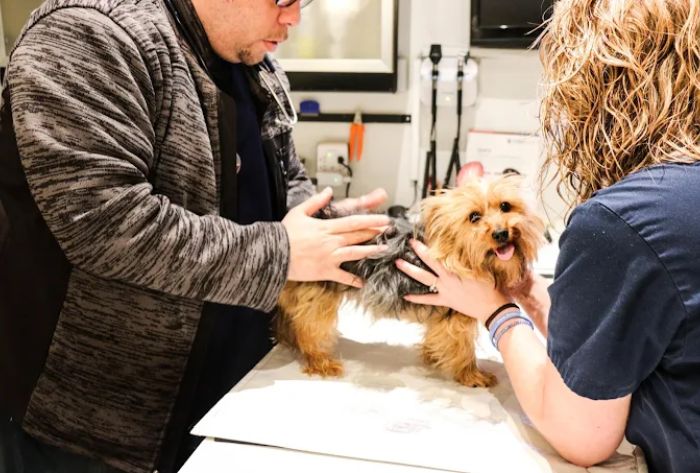
Next, the veterinarian performs a physical examination. This may include checking your pet’s temperature, heart rate, breathing, hydration, gums, movement, and areas of discomfort.
Depending on the findings, diagnostic testing may be recommended. Possible tests can include blood work, urine testing, digital X-rays, or other diagnostic procedures.
After reviewing the available information, the veterinarian discusses the findings with you. The team can then recommend an appropriate treatment plan and explain what you should monitor at home.
How Can You Prepare Before Visiting the Veterinarian?
Preparation can make the appointment more efficient.
Before leaving home, gather your pet’s current medication information and relevant medical records. Also, note when the symptoms started and how they have progressed.
If your pet has been vomiting or experiencing diarrhea, try to remember how frequently it occurred. If your pet suffered an injury, note what happened and whether your pet could walk afterward.
If you suspect toxin exposure, bring the product packaging when possible. Do not attempt to induce vomiting unless a veterinary professional specifically tells you to do so.
Additionally, keep your pet calm during transportation. Use a secure carrier for cats and small pets, while dogs should remain safely restrained.
What You Should Avoid Doing
When a pet becomes sick or injured, owners often want to help immediately. However, some actions can make the situation worse.
Do not give human medications without veterinary guidance. Do not force food or water if your pet is repeatedly vomiting or having difficulty swallowing. Also, avoid unnecessary movement after a serious injury.
Furthermore, do not wait several days when symptoms are rapidly worsening. Contact a veterinary professional and explain what you are seeing.
The Role of Diagnostic Testing
A physical examination provides valuable information, but some conditions require additional testing.
Blood tests can provide information about blood cells, organ function, hydration, and other health indicators. Urine testing can help evaluate urinary concerns and provide additional health information.
Digital imaging can help veterinarians assess certain injuries and internal concerns. Depending on the symptoms, additional diagnostic procedures may also be appropriate.
The veterinarian will determine which tests are useful based on your pet’s individual condition. Testing does not replace the physical examination; instead, it can provide additional information to support a more accurate assessment.
Follow-Up Care Is Also Important
The initial veterinary visit may address the immediate concern, but recovery can continue at home.
Your veterinarian may recommend medication, rest, dietary adjustments, wound care, activity restrictions, or a follow-up examination. Follow these instructions carefully.
Monitor your pet’s appetite, water intake, energy level, movement, and bathroom habits. If symptoms worsen or new signs develop, contact the veterinary team promptly.
Furthermore, complete medications exactly as prescribed unless your veterinarian tells you to change the plan.
How Pure Paws Veterinary Care of Clinton Hill Supports Pet Owners
When your pet becomes unexpectedly sick or injured, compassionate veterinary guidance can make a difficult situation easier to manage. Pure Paws Veterinary Care of Clinton Hill provides veterinary support focused on evaluating health concerns and helping pet owners understand their options.
The team can assess symptoms, discuss appropriate diagnostic recommendations, and develop care plans based on each pet’s individual needs.
Clear communication is particularly important during an unexpected health concern. Understanding what is happening and what steps to take can help owners feel more prepared throughout the process.
Preventive Care Can Reduce Future Problems
Although urgent veterinary visits can address unexpected concerns, preventive care remains an important part of your pet’s long-term health.
Regular wellness examinations allow veterinarians to monitor changes and identify potential problems early. Vaccinations, parasite prevention, dental care, nutrition guidance, weight monitoring, and age-appropriate health screenings can all contribute to overall wellness.
Additionally, routine visits give you an opportunity to discuss subtle changes that may otherwise go unnoticed.
By combining preventive care with prompt attention when problems arise, you can give your pet stronger support throughout every stage of life.
A sick or injured pet may need timely veterinary attention to identify the cause of the problem, manage discomfort, and prevent potential complications. From physical examinations and diagnostic testing to treatment recommendations and follow-up care, veterinary support can play an important role in your pet’s recovery.
Urgent pet care helps address unexpected health concerns when waiting for a routine appointment may not be appropriate. By recognizing warning signs, preparing for veterinary visits, and following professional recommendations, you can respond more confidently when your pet needs help.
If you’re in Brooklyn, NY, and searching for reliable urgent pet care nearby, schedule an appointment with Pure Paws Veterinary Care of Clinton Hill or call (718) 783-5500. Our compassionate veterinary team is ready to provide the guidance and support your pet needs.
Frequently Asked Questions
- What types of problems may require prompt veterinary attention?
Problems such as repeated vomiting, severe diarrhea, breathing difficulties, sudden weakness, serious injuries, significant bleeding, seizures, difficulty urinating, severe pain, and suspected poisoning may require prompt evaluation. If you are uncertain, contact a veterinary professional for guidance.
- Can urgent veterinary care help with pet injuries?
Yes. A veterinarian can examine an injury, assess pain and mobility, check for hidden concerns, and recommend appropriate treatment. Depending on the injury, diagnostics such as digital imaging may also be considered.
- What should I bring when my pet is sick or injured?
Bring information about your pet’s medications, medical history, recent symptoms, and any known allergies. If your pet was injured, provide details about how the incident occurred. For suspected toxin exposure, bring the product packaging if possible.
- Why choose Pure Paws Veterinary Care of Clinton Hill for my pet?
Pure Paws Veterinary Care of Clinton Hill provides compassionate veterinary support for pets experiencing unexpected health concerns. The team focuses on careful evaluation, clear communication, and individualized recommendations based on each pet’s needs.
- How does Pure Paws Veterinary Care of Clinton Hill support pet owners during a stressful visit?
The veterinary team works to provide clear information about your pet’s condition and explain recommended diagnostic and treatment options. This approach helps owners understand their pet’s care and make informed decisions.
- What should I do if my pet does not improve after treatment?
Continue following the veterinarian’s instructions and monitor your pet closely. If symptoms persist, worsen, or new signs appear, contact the veterinary team. Your pet may need a follow-up examination or an adjustment to the treatment plan.