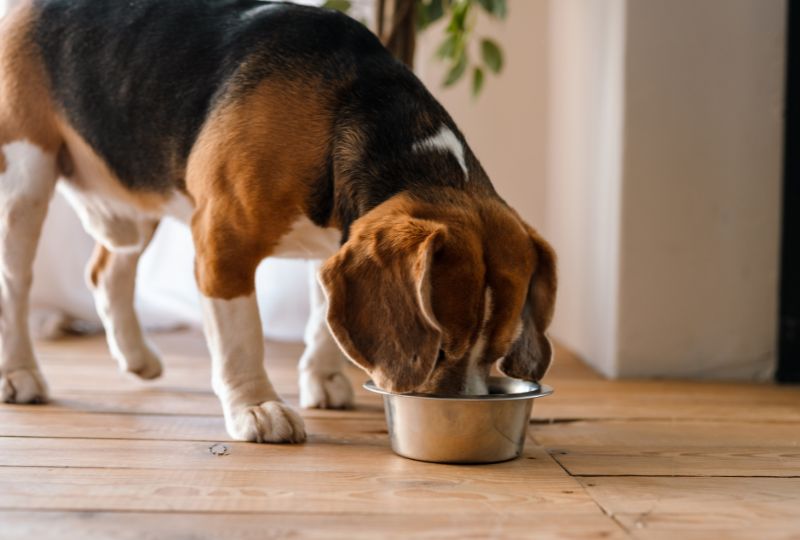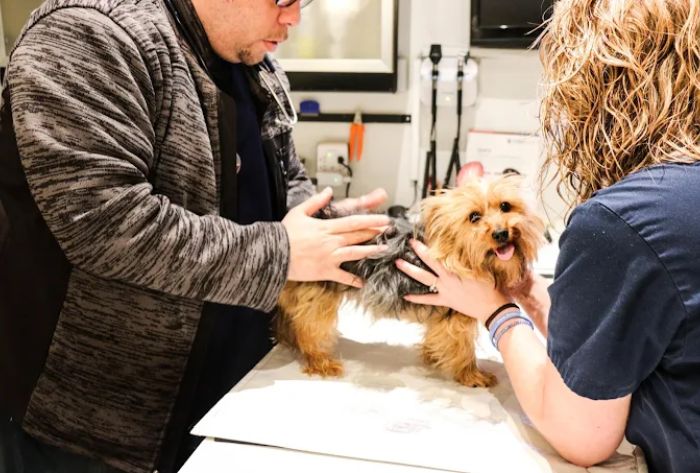
Welcoming a new puppy into your home is an exciting experience filled with joyful moments and new responsibilities. Puppies grow quickly during their first year, making this stage one of the most important periods for their physical and behavioral development. Regular veterinary visits provide the guidance and preventive healthcare your puppy needs to grow into a healthy, happy adult dog.
Routine wellness appointments are about much more than vaccinations. They allow veterinarians to monitor growth, detect health concerns early, offer nutritional advice, discuss behavior, and provide personalized recommendations based on your puppy’s individual needs. Establishing a relationship with your veterinary team early also creates a strong foundation for lifelong healthcare.
Puppy care starts with regular veterinary visits that help detect health concerns early while supporting healthy growth and development.
Whether you’re welcoming your first puppy or adding another companion to your family, understanding the value of preventive veterinary care can make a lasting difference. This guide is designed especially for pet owners in Brooklyn, NY who want to give their puppies the healthiest possible start.
Why Early Veterinary Care Is So Important
The first year of life involves rapid development.
During this time, your puppy experiences:
- Physical growth
- Immune system development
- Behavioral learning
- Nutritional changes
- Teething
- Socialization
Regular veterinary examinations ensure every stage progresses as expected while allowing early intervention if concerns arise.
Preventive healthcare helps reduce the risk of serious illnesses before they become difficult or expensive to treat.
Your Puppy’s First Veterinary Visit
The first veterinary appointment should occur within a few days after bringing your puppy home.
During this visit, your veterinarian will:
- Perform a complete physical examination
- Measure weight and body condition
- Check heart and lungs
- Examine eyes and ears
- Evaluate skin and coat
- Assess teeth and gums
- Screen for congenital conditions
- Discuss nutrition
- Create a vaccination schedule
- Recommend parasite prevention
This initial visit also gives you the opportunity to ask questions about your puppy’s daily care.
Monitoring Healthy Growth
Puppies grow rapidly, but every breed develops differently.
Routine examinations allow veterinarians to monitor:
- Healthy weight gain
- Muscle development
- Bone growth
- Joint health
- Body condition
- Overall development
Tracking these milestones helps identify concerns before they affect long-term health.
Vaccinations Protect Against Serious Diseases
Vaccinations remain one of the most important parts of preventive healthcare.
Core vaccines commonly protect against:
- Distemper
- Parvovirus
- Adenovirus
- Rabies
Depending on your puppy’s lifestyle, your veterinarian may also recommend vaccines for additional diseases.
Completing the full vaccination series provides the strongest protection during your puppy’s early months.
Parasite Prevention Keeps Puppies Safe
Young puppies are especially vulnerable to parasites.
Common parasites include:
- Roundworms
- Hookworms
- Fleas
- Ticks
- Heartworms
- Ear mites
Some parasites can also affect people.
Routine screening and preventive medications help protect your entire household.
Nutrition Supports Healthy Development
Balanced nutrition fuels every stage of growth.
Your veterinarian can recommend:
- Appropriate puppy food
- Feeding schedules
- Portion sizes
- Healthy treats
- Weight management strategies
Avoid frequent diet changes unless advised by your veterinarian.
Consistent nutrition supports healthy bones, muscles, immune function, and brain development.
Dental Health Begins Early
Healthy adult teeth begin with proper puppy dental care.
During wellness visits, your veterinarian checks:
- Baby teeth
- Adult tooth eruption
- Bite alignment
- Gum health
- Oral development
Learning proper brushing techniques early makes lifelong oral hygiene much easier.
Behavioral Guidance for New Puppy Owners
Behavioral development occurs rapidly during the first several months.
Routine veterinary visits provide advice on:
- House training
- Socialization
- Crate training
- Chewing
- Biting
- Separation anxiety
- Positive reinforcement
Addressing behavior early often prevents future challenges.
Socialization Is Essential
Positive experiences during puppyhood help create confident adult dogs.
Veterinarians often recommend introducing puppies safely to:
- New people
- Other vaccinated dogs
- Different environments
- Household sounds
- Grooming routines
Proper socialization reduces fear and anxiety later in life.
Detecting Health Problems Early
Some illnesses develop without obvious symptoms.
Routine examinations allow veterinarians to identify concerns such as:
- Heart murmurs
- Developmental abnormalities
- Skin infections
- Ear infections
- Digestive issues
- Joint conditions
- Eye disorders
Early diagnosis often leads to more effective treatment and improved outcomes.
Preventing Obesity from the Beginning
Excess weight can contribute to numerous health problems.
Veterinary wellness visits help monitor:
- Body condition score
- Growth rate
- Calorie intake
- Exercise recommendations
Maintaining a healthy weight reduces stress on developing bones and joints.
Grooming and Skin Health
Healthy skin supports your puppy’s overall wellness.
During examinations, veterinarians evaluate:
- Coat quality
- Allergies
- Dry skin
- Fleas
- Ticks
- Ear health
- Nail condition
Your veterinary team can also recommend grooming schedules appropriate for your puppy’s breed.
Building a Long-Term Relationship with Your Veterinarian
Seeing the same veterinary team regularly provides many benefits.
They become familiar with your puppy’s:
- Medical history
- Growth pattern
- Personality
- Lifestyle
- Previous treatments
This familiarity allows more personalized healthcare throughout every stage of life.
Puppy care includes regular wellness visits that build a strong healthcare foundation while helping prevent many common illnesses before they become serious.
Signs Your Puppy Needs Veterinary Attention
Even between scheduled wellness visits, contact your veterinarian if your puppy experiences:
- Vomiting
- Persistent diarrhea
- Difficulty breathing
- Refusal to eat
- Excessive lethargy
- Limping
- Persistent coughing
- Eye discharge
- Swollen abdomen
- Sudden behavior changes
Prompt treatment often prevents complications.
How Often Should Puppies Visit the Veterinarian?
Most puppies require multiple visits during their first several months.
Appointments commonly occur every few weeks until the vaccination series is complete.
Afterward, your veterinarian will recommend an ongoing wellness schedule based on your puppy’s health, breed, and lifestyle.
Regular visits ensure preventive healthcare continues throughout adulthood.
Tips for a Stress-Free Veterinary Visit
Preparing ahead makes appointments more enjoyable.
Helpful tips include:
- Bring favorite treats.
- Use a secure carrier or leash.
- Stay calm and reassuring.
- Arrive a few minutes early.
- Bring previous medical records if available.
- Write down any questions beforehand.
Positive veterinary experiences encourage confidence during future visits.
Puppy care becomes much easier when preventive healthcare, routine examinations, proper nutrition, and early guidance work together to support lifelong wellness.
Regular veterinary visits play an essential role in helping puppies grow into healthy adult dogs. From vaccinations and parasite prevention to nutritional guidance, behavioral support, and early disease detection, routine wellness exams provide comprehensive care during every stage of development. Investing in preventive healthcare today can reduce future health risks while improving your puppy’s quality of life.
If you’ve recently welcomed a new puppy or want to stay on track with preventive healthcare, schedule an appointment with Pure Paws Veterinary Care of Clinton Hill. Our experienced veterinary team offers personalized wellness care, vaccinations, nutritional guidance, and preventive services designed to support your puppy’s lifelong health. Proudly serving families throughout Brooklyn, NY, they are committed to helping your newest companion thrive.
Frequently Asked Questions
- How soon should I take my new puppy to the veterinarian?
Your puppy should have its first veterinary examination within a few days of arriving home to establish a wellness plan and vaccination schedule.
- How often does my puppy need veterinary checkups?
Puppies usually need several visits during their first year, especially while completing their vaccination series. Your veterinarian will recommend a schedule based on your puppy’s needs.
- What happens during a puppy wellness exam?
A wellness exam typically includes a physical examination, weight check, vaccination review, parasite screening, nutritional guidance, and discussions about behavior and development.
- Why is parasite prevention important for puppies?
Parasite prevention protects puppies from fleas, ticks, heartworms, and intestinal parasites that can affect their health and, in some cases, pose risks to people.
- Why choose Pure Paws Veterinary Care of Clinton Hill for my puppy’s healthcare?
Pure Paws Veterinary Care of Clinton Hill provides comprehensive puppy wellness exams, vaccinations, parasite prevention, nutritional counseling, and personalized preventive care to support healthy growth from the very beginning.
- How can I schedule a wellness appointment at Pure Paws Veterinary Care of Clinton Hill?
You can contact Pure Paws Veterinary Care of Clinton Hill to schedule your puppy’s wellness examination and receive expert guidance on preventive healthcare, vaccinations, and lifelong wellness.