A urinary tract infection (UTI) is one of the most common bacterial infections seen in dogs. While a UTI can make your pet uncomfortable, the good news is that most dogs recover quickly with prompt veterinary care and the right treatment. However, recovery time varies depending on the severity of the infection, your dog’s overall health, and whether an underlying medical condition is present.
As a pet owner, understanding the recovery process can help you monitor your dog’s progress and know when additional veterinary care may be needed. In this guide, we’ll explain how long it typically takes for a dog to recover from a UTI, what factors influence healing, and how you can help prevent future infections.
What Is a Urinary Tract Infection in Dogs?
A urinary tract infection occurs when bacteria enter the urinary system and multiply within the bladder or urethra. Although the lower urinary tract is most commonly affected, untreated infections can spread to the kidneys and lead to more serious health concerns.
Common symptoms include:
- Frequent urination
- Straining while urinating
- Passing only small amounts of urine
- Blood in the urine
- Strong-smelling urine
- Excessive licking of the genital area
- Accidents inside the house
- Signs of discomfort while urinating
If you notice any of these symptoms, scheduling a veterinary examination as soon as possible is important.
How Quickly Can a Dog Recover From a UTI?
Most uncomplicated urinary tract infections begin to improve within 24 to 48 hours after starting the appropriate antibiotics. In many cases, dogs appear more comfortable, urinate more normally, and regain their usual energy levels within a few days.
However, feeling better does not necessarily mean the infection is gone. Most dogs need 7 to 14 days of medication to eliminate the bacteria completely. It is essential to give every dose exactly as prescribed, even if your dog seems fully recovered.
For complicated UTIs caused by underlying medical conditions or antibiotic-resistant bacteria, recovery may take several weeks and require additional testing or treatment.
Factors That Affect Recovery Time
Every dog’s recovery is unique. Several factors can influence how quickly healing occurs.
Severity of the Infection
Mild infections often respond quickly to treatment. However, severe infections or those that have spread beyond the bladder may require a longer recovery period and closer monitoring.
Early Diagnosis
The sooner a UTI is diagnosed, the sooner treatment can begin. Early intervention helps prevent complications and often leads to a faster recovery.
Overall Health
Healthy dogs with strong immune systems typically recover more quickly than dogs with chronic illnesses or weakened immune function.
Underlying Medical Conditions
Certain health issues can make UTIs more difficult to treat, including:
- Diabetes
- Bladder stones
- Kidney disease
- Hormonal disorders
- Structural abnormalities of the urinary tract
Addressing these conditions is essential to reduce the risk of recurring infections.
Following the Treatment Plan
Giving medications exactly as directed and attending recommended follow-up appointments greatly improves the chances of a complete recovery.
What Happens During Treatment?
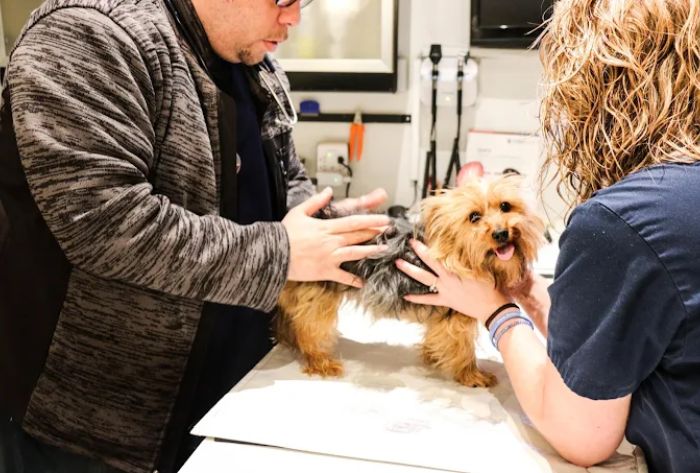
After examining your dog, your veterinarian may recommend several diagnostic tests to confirm the infection and determine the best treatment plan.
Urinalysis
A urinalysis checks for:
- Bacteria
- White blood cells
- Blood
- Crystals
- Urine concentration
Urine Culture
A urine culture identifies the specific bacteria causing the infection and helps determine which antibiotic will be most effective.
Additional Diagnostic Tests
If your dog experiences repeated UTIs, your veterinarian may also recommend:
- Blood tests
- X-rays
- Ultrasound
- Advanced urinary imaging
These tests can identify underlying conditions that contribute to recurrent infections.
How Can You Help Your Dog Recover Faster?
Although antibiotics are the primary treatment, supportive care at home also plays an important role in recovery.
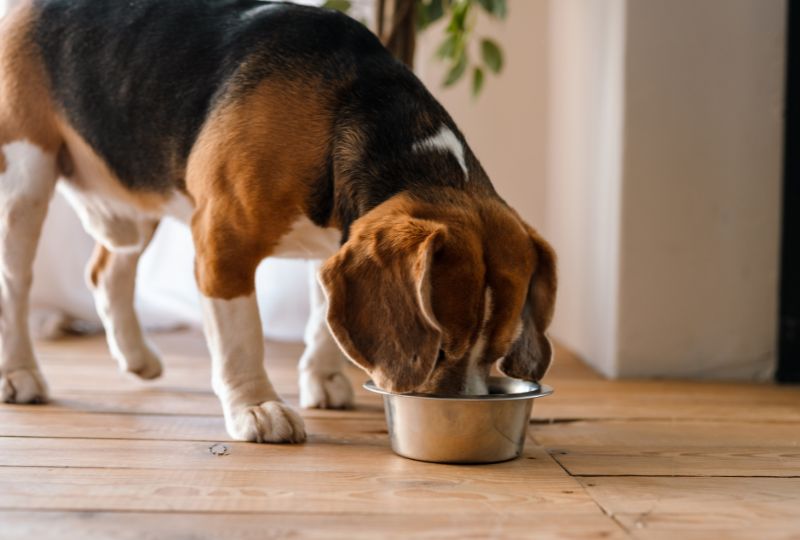
Encourage Plenty of Water
Fresh water helps flush bacteria from the urinary tract and supports healthy kidney function.
Ensure your dog always has access to clean drinking water.
Allow Frequent Bathroom Breaks
Regular opportunities to urinate help remove bacteria from the bladder. Avoid making your dog hold urine for extended periods.
Administer Medications Correctly
Complete the entire antibiotic course exactly as prescribed. Stopping treatment early may allow the infection to return.
Monitor Symptoms
Keep track of your dog’s bathroom habits and watch for changes such as:
- Continued straining
- Blood in the urine
- Loss of appetite
- Lethargy
- Increased discomfort
If symptoms worsen or fail to improve within a few days, contact your veterinarian.
Provide a Calm Recovery Environment
Reducing stress and allowing your dog to rest comfortably can support the healing process.
What Happens If a UTI Is Left Untreated?
Ignoring a urinary tract infection can lead to more serious complications.
Potential risks include:
- Kidney infections
- Chronic bladder inflammation
- Bladder stone formation
- Recurrent UTIs
- Severe discomfort
- Permanent kidney damage in advanced cases
Prompt veterinary care helps reduce these risks and improves your dog’s overall prognosis.
Can UTIs Come Back?
Yes. Some dogs experience recurrent urinary tract infections.
Recurring UTIs may indicate:
- Bladder stones
- Diabetes
- Hormonal imbalances
- Congenital urinary abnormalities
- Incomplete treatment of a previous infection
If your dog develops frequent UTIs, your veterinarian may recommend additional testing to determine the underlying cause.
Tips to Help Prevent Future UTIs
Although not every infection can be prevented, these habits may reduce your dog’s risk.
Encourage Hydration
Adequate water intake helps keep the urinary system healthy.
Maintain Good Hygiene
Keeping the genital area clean may reduce bacterial buildup, especially in long-haired dogs.
Feed a Balanced Diet
Proper nutrition supports immune function and overall urinary health.
Schedule Routine Wellness Exams
Preventive veterinary visits allow health issues to be identified before they become more serious.
Watch for Early Symptoms
Recognizing urinary changes early often leads to quicker diagnosis and faster recovery.
When Should You Contact a Veterinarian?
Seek veterinary care immediately if your dog:
- Cannot urinate
- Has blood in the urine
- Cries while urinating
- Develops a fever
- Stops eating
- Appears weak or lethargic
- Shows no improvement after starting treatment
These symptoms may indicate a more serious condition requiring prompt medical attention.
Most dogs recover from a urinary tract infection within one to two weeks when they receive prompt veterinary care and complete their prescribed treatment. While many pets begin feeling better within 24 to 48 hours, finishing the full course of medication and attending any recommended follow-up appointments are essential for eliminating the infection completely.
By recognizing symptoms early, encouraging good hydration, and scheduling regular wellness exams, you can help protect your dog’s urinary health and reduce the risk of future infections.
If your dog is showing signs of a urinary tract infection or needs follow-up care, schedule an appointment with Pure Paws Veterinary Care of Clinton Hill. Our experienced veterinary team provides comprehensive diagnostics, personalized treatment plans, and compassionate care to help your dog recover as quickly and comfortably as possible.
Frequently Asked Questions
- How long does it usually take for a dog to recover from a UTI?
Most dogs begin feeling better within 24 to 48 hours after starting antibiotics, but complete recovery typically takes 7 to 14 days.
- Should I stop giving antibiotics once my dog feels better?
No. Always complete the full course of antibiotics prescribed by your veterinarian to ensure the infection is fully treated.
- Can a dog recover from a UTI without treatment?
Most bacterial UTIs require veterinary treatment with antibiotics. Without treatment, the infection can worsen or spread to the kidneys.
- Why does my dog keep getting UTIs?
Recurring UTIs may be caused by bladder stones, diabetes, hormonal disorders, urinary tract abnormalities, or incomplete treatment of a previous infection.
- How can I help prevent future UTIs in my dog?
Encourage hydration, provide frequent bathroom breaks, maintain good hygiene, feed a balanced diet, and schedule regular veterinary wellness exams.
- When should I contact a veterinarian about my dog’s UTI?
Contact your veterinarian immediately if your dog cannot urinate, has blood in the urine, appears lethargic, develops a fever, or does not improve after starting treatment.