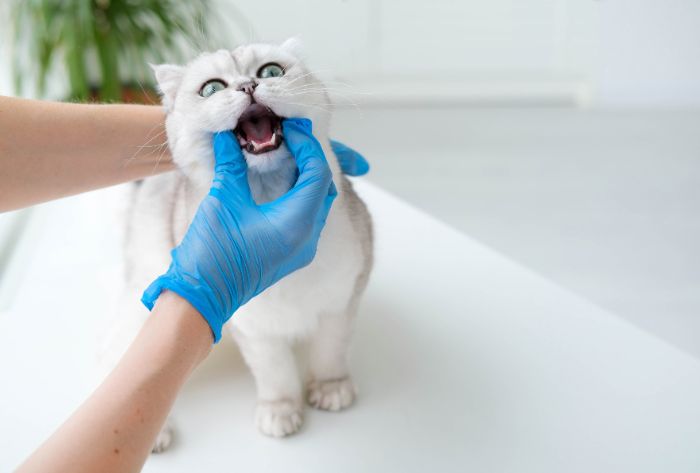
A new kitten often brings a blend of excitement, curiosity, and chaos as tiny claws explore your home. The initial days may include playful biting, sudden zoomies, and moments that make you wonder what is normal and what requires attention. Recognizing early behavior patterns helps guide your kitten’s development in a healthy way.
If you’re a pet owner in Hudson Square, NY, this blog is especially for you. Learning how kittens adjust and how early behavioral guidance supports long-term well-being makes a real difference, especially when paired with timely veterinary support. Consistent kitten care during these early stages helps shape healthier habits and smoother development over time.
Pure Paws Veterinary Care of Hudson Square provides steady guidance to help pet owners better understand early health and behavioral changes in their animals. Scheduling a visit with the team can help you stay on track with care needs.
Learn About Early Kitten Behavioral Patterns
New kittens communicate through behavior long before they learn boundaries. Observing early habits helps you shape positive routines.
- Exploratory biting: Often part of play and teething, not aggression.
- Sudden energy bursts: Known as “zoomies,” these are common in healthy kittens.
- Frequent climbing attempts: Natural curiosity and muscle development behavior.
- Attention-seeking meows: Communication for food, comfort, or stimulation.
Early behavior patterns reflect growth stages, not misbehavior. Understanding intent helps guide training with patience and consistency.
Managing Biting Without Encouraging Habits
Kitten biting is one of the most common concerns during early adjustment. Redirecting behavior early prevents long-term habits.
- Replace hands with toys: Teaches bite inhibition using appropriate objects.
- Pause interaction immediately: Stops reinforcement of biting behavior.
- Use consistent vocal cues: Gentle sounds signal boundaries clearly.
- Encourage play before overstimulation to reduce frustration-driven biting.
Biting often decreases naturally when energy outlets and consistent stimulation are provided.
Helping Kittens Adjust to New Homes
A new environment can overwhelm kittens, leading to stress-related behavior changes. Structured comfort helps smoother transitions.
- Create safe zones: Quiet areas reduce overstimulation and anxiety.
- Maintain consistent feeding times: Predictability builds security and routine.
- Limit early house access: Gradual exploration prevents confusion and accidents.
- Introduce scents slowly: Familiar smells ease environmental adjustment.
A stable environment helps kittens build confidence and reduces stress-related behaviors.
Encouraging Positive Play and Social Habits
Play is essential for development, but guidance ensures it stays safe and structured. Without direction, play may become rough.
- Use interactive toys: Redirect biting instincts with toys like feather wands and soft toys.
- Schedule daily play sessions: Prevents boredom-driven destructive behavior.
- Avoid rough hand play: Prevents confusion between skin and toys.
- Reward calm behavior: Reinforces desirable interactions over hyperactivity.
Balanced play builds trust and supports emotional and physical development.
Managing Scratching and Furniture Damage
Scratching is a natural feline behavior tied to marking territory and nail health. Redirecting it early prevents household damage.
- Provide scratching posts: Encourages appropriate scratching surfaces.
- Place posts near rest areas to align scratching with natural routines.
- Use positive reinforcement: Reward the use of correct scratching zones.
- Trim nails regularly: This reduces the intensity of damage during scratching.
Understanding scratching as instinctual helps reduce frustration during training.
Supporting Healthy Feeding and Routine Habits
Feeding routines play a key role in behavioral stability. Irregular schedules often lead to stress or attention-seeking behavior.
- Feed at consistent times: Establishes a predictable structure.
- Avoid free feeding early on: It helps regulate appetite behavior.
- Monitor eating speed: Fast eating may indicate stress or competition behavior.
- Quiet feeding areas: Helps reduce anxiety during meals.
Stable feeding routines support both physical health and behavioral balance.
Early Veterinary Guidance for Behavior Support
Early behavior concerns often overlap with developmental or health factors. Guidance during this stage can prevent long-term issues.
Veterinary input helps identify whether biting, scratching, or anxiety-like behavior is developmentally normal or requires adjustment strategies. Early evaluation also supports the timing of vaccinations, nutritional planning, and behavioral shaping techniques that align with growth stages.
Creating Calm Spaces for Kitten Comfort
Environmental design plays a major role in shaping kitten behavior. Calm surroundings reduce overstimulation and improve the speed of adjustment.
- Soft bedding areas: Encourage rest and reduce anxiety responses.
- Low-noise zones: Prevent stress from household activity.
- Vertical spaces: Allow safe climbing and observation behavior.
- Hiding spots: Provide security during unfamiliar moments.
Environmental balance supports emotional regulation during early development stages.
Training Consistency Builds Long-Term Stability
Consistency in response helps kittens learn faster and reduces confusion. Mixed signals often delay behavioral improvement.
- Unified household rules: Everyone follows the same training approach.
- Immediate correction timing: Reinforces understanding of boundaries.
- Reward-based reinforcement: Encourages repetition of good behavior.
- Short training sessions: Keep attention focused and stress low.
Predictable interaction patterns significantly strengthen learning outcomes.
Pure Paws Veterinary Care of Hudson Square continues to support kitten owners with structured guidance during early developmental stages. Attention to behavioral patterns, feeding habits, and environmental adaptation helps ensure smoother transitions into home life.
Many pet owners appreciate the steady guidance offered during early kitten challenges, especially when navigating biting, scratching, and routine-building in a new environment.
Avoiding Common New Kitten Mistakes
Early mistakes can unintentionally reinforce unwanted behaviors. Awareness helps prevent long-term issues.
- Ignoring biting entirely: Allows reinforcement of unwanted behavior.
- Inconsistent rules: Confuses kittens and slows learning.
- Overstimulation during play: Leads to frustration-based reactions.
- Delayed litter training: Increases accidents and stress responses.
Correcting early habits leads to smoother long-term behavior patterns.
Understanding Litter Training Challenges Early
Litter training is often straightforward, yet early missteps can create confusion. Structure helps establish success quickly.
- Incorrect litter placement: Reduces recognition of the proper use area.
- Frequent litter changes: Disrupts scent familiarity.
- Negative reinforcement: Creates fear around elimination.
- Limited access: Leads to missed training opportunities.
Building Confidence Through Daily Interaction
Confidence grows through safe interaction and gradual exposure. Positive experiences shape long-term behavioral stability.
- Gentle handling routines: Build trust and reduce fear responses.
- Exposure to new sounds: Helps reduce sensitivity over time.
- Gradual social exposure: Prevents overwhelming experiences.
- Routine engagement: Strengthens emotional security.
Confident kittens adapt more easily to new situations and environments.
Encouraging Calm Growth Through Guidance
Early kitten behavior may feel unpredictable, yet structure and observation create clarity over time. Understanding biting, scratching, and adjustment behaviors allows you to respond effectively rather than react impulsively. Small daily efforts build long-term balance in both behavior and emotional development, helping your kitten grow into a more stable companion.
Dedicated Focus on Early Kitten Care
Pure Paws Veterinary Care of Hudson Square consistently places attention on early kitten development, especially during adjustment phases. Their approach helps pet owners understand behavior patterns, manage early biting stages, and create structured routines that support healthier growth. Many families find reassurance in the steady guidance offered during these important early months of a kitten’s life.
Guided Steps Toward Better Kitten Behavior
Early kitten challenges can feel unpredictable, yet consistent structure brings clarity over time. Understanding behavior triggers, setting boundaries, and maintaining routine interactions help shape long-term stability. Small daily adjustments create meaningful improvements in how kittens respond, learn, and adapt to their environment.
If you need guidance for early kitten behavior concerns, you can book an appointment online with Pure Paws Veterinary Care of Hudson Square. We can help you manage biting, scratching, and adjustment challenges more effectively. Our team will help identify patterns and support structured development. Book an appointment with Pure Paws Veterinary Care of Hudson Square for clearer direction.
Frequently Asked Questions
1. Why does my kitten bite during calm moments suddenly?
Sudden biting during calm periods often comes from overstimulation or redirected energy. Short play breaks and consistent redirection help reduce these unpredictable biting episodes effectively over time.
2. How long does early kitten biting behavior usually last?
Most kittens reduce biting between four and six months as teething and play behavior mature. Proper redirection and structured play significantly shorten this behavioral stage.
3. Can scratching behavior be eliminated in kittens?
Scratching cannot be eliminated since it is instinctive. Providing suitable scratching posts and positive reinforcement helps redirect behavior rather than remove it entirely.
4. Why does my kitten ignore toys but bite hands instead?
Kittens may associate hands with play if early boundaries were unclear. Consistently replacing hands with toys helps reset this association effectively.
5. Is constant meowing a sign of behavioral issues?
Frequent meowing often reflects attention needs, hunger, or adjustment stress. Monitoring timing and triggers helps determine whether it is routine communication or something that requires attention.