Choosing the right food for your cat is one of the most important decisions you can make as a pet parent. Cats have different nutritional requirements as they grow, mature, and enter their senior years. Therefore, a diet that works well for a playful kitten may not provide the ideal balance for an adult or older cat.
Cat nutrition should always take your feline’s age, activity level, body condition, lifestyle, and overall health into account. Understanding life-stage nutritional needs can help you make better feeding decisions and support your companion’s long-term wellness. For cat parents in New York, selecting an appropriate diet can be an important part of responsible feline care.
Why Life Stage Matters When Choosing Cat Food
Cats do not have the same nutritional needs throughout their lives. Kittens require nutrients that support rapid growth and development, while adult cats generally need food that helps maintain healthy body weight and muscle mass.
Senior cats may have additional nutritional considerations related to activity, digestion, dental health, and age-related changes. Consequently, choosing food according to life stage can help ensure that your cat receives an appropriate balance of nutrients.
However, age alone does not determine the best diet. Your veterinarian can consider your cat’s individual health and lifestyle before recommending a specific food.
Choosing Food for Kittens
Kittens grow quickly during their first year. Their developing bones, muscles, organs, and immune system require adequate energy and essential nutrients.
Look for food specifically formulated for kittens or growth. These diets generally provide the calories, protein, vitamins, minerals, and other nutrients needed during development.
Because kittens have small stomachs but high energy requirements, they may benefit from several smaller meals throughout the day. Fresh water should also remain available at all times.
Avoid assuming that adult cat food is appropriate for a growing kitten. Adult formulas may not provide the nutritional profile required to support healthy development.
What to Look for in Kitten Food
When comparing kitten foods, consider the following factors:
- A complete and balanced nutritional profile
- Appropriate levels of high-quality protein
- Adequate calories for growth
- Essential fatty acids
- Appropriate vitamins and minerals
- Essential nutrients such as taurine
- A formula designed specifically for growth
Additionally, follow the feeding guidelines on the package while considering your veterinarian’s recommendations. Feeding amounts may need adjustment based on your kitten’s size, growth rate, and body condition.
Selecting Food for Adult Cats
Once a cat reaches maturity, its nutritional priorities change. Instead of supporting rapid growth, the diet should help maintain a healthy weight, lean muscle, and normal body function.
Adult cats may require fewer calories than kittens. Therefore, continuing to feed a calorie-dense kitten formula after maturity could contribute to unnecessary weight gain.
Choose a complete and balanced adult formula that matches your cat’s lifestyle. For example, an indoor cat with limited activity may need different calorie management than an energetic cat that spends more time moving and playing.
Portion control is equally important. Even high-quality food can contribute to weight gain when you offer more calories than your cat needs.
Consider Your Cat’s Activity Level
Lifestyle can influence food requirements. Indoor cats often have fewer opportunities for physical activity than cats that regularly explore larger environments.
However, you should not automatically reduce food portions simply because your cat stays indoors. Instead, consider body condition, activity, age, and overall health.
Encourage daily play with interactive toys, climbing opportunities, and other forms of enrichment. Regular activity can complement an appropriate feeding routine and help your cat maintain a healthy body condition.
Food for Senior Cats
As cats grow older, their nutritional needs may change again. Senior cats can experience changes in activity, muscle mass, appetite, digestion, and other aspects of health.
Some older cats may require adjustments to calorie intake. Others may need a veterinarian-recommended diet because of an underlying medical condition.
Do not automatically switch an older cat to a senior formula simply because of its age. Instead, discuss dietary options with your veterinary team. They can consider your cat’s current health, body condition, and medical history before making recommendations.
Pay Attention to Protein
Protein plays an important role throughout a cat’s life. Cats need specific amino acids to support muscles and normal body functions.
Growing kittens need adequate protein for development. Adult cats also need sufficient protein to maintain lean body tissue.
For senior cats, maintaining muscle mass can become especially important. However, cats with certain medical conditions may require individualized dietary recommendations. Therefore, avoid making major protein changes without professional guidance when your cat has a diagnosed health concern.
Wet Food, Dry Food, or Both?
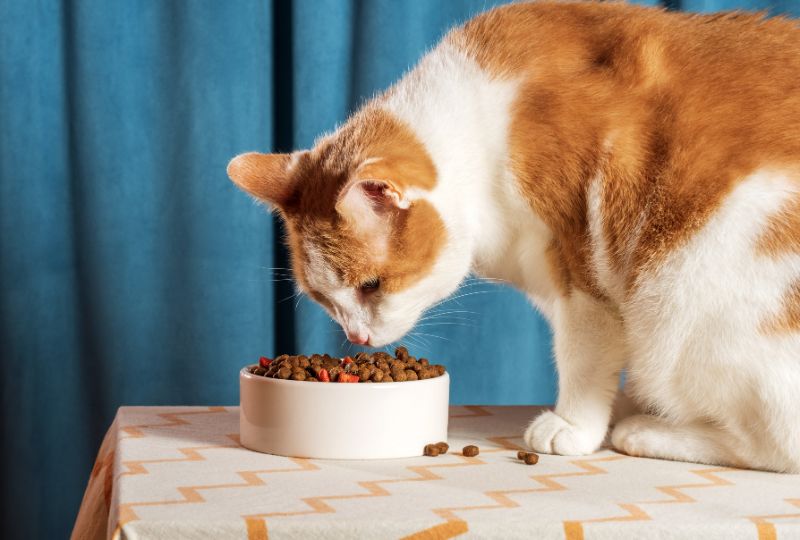
Pet parents often wonder whether wet or dry food is better. Both can be appropriate when they provide complete and balanced nutrition.
Wet food contains a higher percentage of moisture, which can contribute to overall water intake. Dry food can be convenient to portion and store.
Some cats do well with a combination of wet and dry food. The best option depends on your cat’s preferences, health, feeding routine, and nutritional requirements.
Most importantly, consider the total daily calorie intake rather than focusing only on the type of food.
Read the Food Label Carefully
Food labels can provide useful information when you compare products. Look for a statement indicating that the food is complete and balanced for the appropriate life stage.
Also consider the intended life stage listed on the packaging. A formula designed for growth may not be ideal for an adult cat, while a maintenance diet may not meet the needs of a growing kitten.
If you are uncertain about how to interpret a label, ask your veterinary team for guidance.
Watch Your Cat’s Body Condition
The amount of food your cat needs can change over time. Regularly monitor your cat’s body shape, weight, appetite, and activity.
Signs that your feeding routine may need review include:
- Gradual weight gain
- Unexplained weight loss
- Persistent changes in appetite
- Reduced activity
- Increased thirst
- Digestive problems
- Difficulty chewing
- Changes in stool
These signs can have different causes. Consequently, do not assume that simply changing food will solve the problem.
When a Prescription Diet May Be Appropriate
Some cats need more specialized dietary support. Certain medical conditions can affect nutritional requirements, and a veterinarian may recommend a therapeutic diet as part of the treatment plan.
Prescription diets should be used according to veterinary guidance. Your veterinarian can explain why a particular diet is recommended and how to introduce it safely.
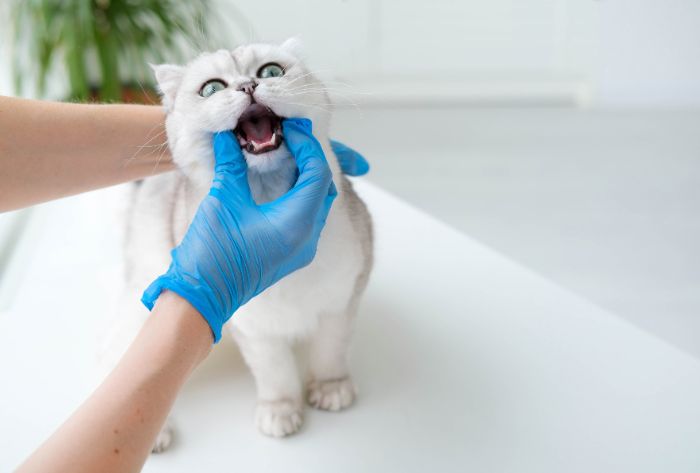
Regular examinations can also help determine whether your cat’s dietary needs have changed.
How Pure Paws Veterinary Care of Hudson Square Can Help
At Pure Paws Veterinary Care of Hudson Square, the veterinary team can help you evaluate your cat’s nutritional needs throughout different life stages. During an examination, the team can consider your cat’s age, weight, activity level, body condition, lifestyle, and health history.
The right food is not necessarily the most expensive food or the one with the longest ingredient list. Instead, it should provide appropriate, balanced nutrition for your individual cat.
Professional guidance can also help you adjust feeding portions, introduce a new diet, and recognize when changes in appetite or weight require further evaluation.
Choosing the right cat food becomes easier when you understand how nutritional requirements change throughout life. Kittens need diets that support growth, adults generally need balanced maintenance nutrition, and senior cats may require additional consideration based on their health and lifestyle.
Furthermore, portion control, fresh water, regular activity, and routine veterinary care all contribute to a healthy feeding plan. Since every cat is different, avoid relying solely on age or general feeding advice when making significant dietary changes.
If you want personalized guidance about your feline’s diet and long-term wellness, schedule an appointment with Pure Paws Veterinary Care of Hudson Square. Our veterinary team can help you choose an appropriate nutritional approach based on your cat’s individual needs.
Frequently Asked Questions
- How do I know which cat food is right for my kitten?
Choose a complete and balanced food specifically formulated for kittens or growth. Kitten diets generally provide the calories and nutrients needed to support rapid development. Your veterinarian can also recommend an appropriate formula based on your kitten’s individual needs.
- When should I switch my cat from kitten food to adult food?
Many cats transition to adult food around one year of age, although the ideal timing can vary. Larger breeds and cats with specific health considerations may follow a different schedule. Ask your veterinarian before making the transition.
- Is wet food better than dry food for cats?
Neither option is universally better. Complete and balanced wet or dry food can be appropriate. Wet food provides additional moisture, while dry food can be convenient for portioning and storage. Some cats benefit from a combination of both.
- Should senior cats always eat senior cat food?
Not necessarily. Senior cats have individual nutritional needs, and some may benefit from a specific senior formula while others may require a therapeutic diet. Your veterinarian can help determine which option is appropriate.
- How can Pure Paws Veterinary Care of Hudson Square help with my cat’s diet?
Pure Paws Veterinary Care of Hudson Square can assess your cat’s age, body condition, lifestyle, activity level, and health history before providing individualized dietary recommendations. The team can also help monitor weight and other changes over time.
- Why choose Pure Paws Veterinary Care of Hudson Square for feline wellness?
Pure Paws Veterinary Care of Hudson Square provides individualized veterinary care designed around each pet’s needs. Regular visits can help monitor your cat’s health and identify when changes to nutrition, preventive care, or daily routines may be beneficial.