Vaccinations play an important role in protecting dogs from serious and potentially life-threatening diseases. Many pet owners understand that vaccines are necessary, yet they often have questions about timing, safety, and how vaccinations fit into their dog’s long-term health plan.
Puppies, adult dogs, and senior pets may all have different canine vaccination needs depending on their age, lifestyle, and medical history. Understanding the basics can help owners feel more confident about preventive care decisions.
At Pure Paws Veterinary Care of Hell’s Kitchen, veterinary teams work with pet owners to create vaccination plans tailored to each dog’s needs and daily lifestyle.
Why Are Dog Vaccines So Important?
Vaccines help prepare a dog’s immune system to recognize and fight certain infectious diseases before they become serious. Dogs regularly encounter bacteria and viruses in parks, on sidewalks, at boarding facilities, in grooming salons, and in apartment buildings.
Vaccination reduces the risk of illness while also helping prevent the spread of contagious diseases within the community. Some diseases targeted by vaccines can become severe very quickly and may lead to hospitalization or long-term complications.
Preventive care through vaccination often costs far less than emergency treatment for advanced illness. Routine veterinary visits also allow veterinarians to monitor overall health and identify concerns early.
1. What Vaccines Does My Dog Actually Need?
One of the most common questions veterinarians hear involves which vaccines are necessary for individual dogs. Vaccine recommendations are based on risk factors, including age, environment, travel habits, and exposure to other animals.
Core vaccines are generally recommended for most dogs since they protect against highly contagious or dangerous diseases. Non-core vaccines may be recommended depending on lifestyle and local risk levels.
Core vaccines commonly include protection against:
- Rabies
- Distemper
- Parvovirus
- Adenovirus
Non-core vaccines may include:
- Bordetella
- Leptospirosis
- Lyme disease
- Canine influenza
Consulting with your veterinarian can help you figure out the best vaccines to keep your furry friend healthy and happy.
2. Are Dog Vaccines Safe?
Safety concerns are another topic veterinarians discuss regularly with pet owners. Vaccines used in veterinary medicine undergo testing and monitoring to help ensure they are safe and effective for dogs.
Most dogs experience little to no discomfort after vaccination. Mild side effects can occasionally occur and may include temporary tiredness, soreness at the injection site, or a short-term reduction in appetite.
Serious vaccine reactions are uncommon, though they can occur in rare cases. Symptoms requiring prompt veterinary attention may include:
- Facial swelling
- Vomiting
- Difficulty breathing
- Severe lethargy
- Collapse
Veterinarians review medical history carefully before administering vaccines. Monitoring after vaccination helps ensure pets receive timely care if any reaction develops.
3. How Often Does My Dog Need Vaccinations?
Vaccination schedules vary depending on the dog’s age and previous vaccine history. Puppies typically require a series of vaccines during early development, as maternal antibodies gradually decline.
Adult dogs may receive booster vaccines annually or every few years, depending on the specific vaccine and veterinary recommendations. Local laws and regulations often determine rabies vaccination schedules.
Regular wellness exams help veterinarians evaluate whether dogs remain properly protected. Lifestyle changes can also affect vaccine recommendations. Dogs that begin traveling, attending daycare, or interacting with larger groups of animals may require additional protection.
Staying consistent with preventive care appointments helps reduce gaps in immunity and supports long-term health.
4. Can Vaccinated Dogs Still Get Sick?
Vaccines significantly reduce the risk of disease, although no vaccine guarantees complete protection in every situation. Some vaccinated dogs may still become ill if they are exposed to large amounts of a virus or if their immune response is weaker than expected.
Vaccinated dogs who develop illness often experience milder symptoms and recover more easily compared to unvaccinated pets. Protection against severe complications is one of the main benefits of vaccination.
Factors that can influence vaccine effectiveness include:
- Age
- Immune system health
- Underlying medical conditions
- Timing of boosters
- Exposure level to contagious diseases
Routine veterinary care helps ensure vaccinations remain current and properly timed for continued protection.
5. What Happens During a Vaccine Appointment?
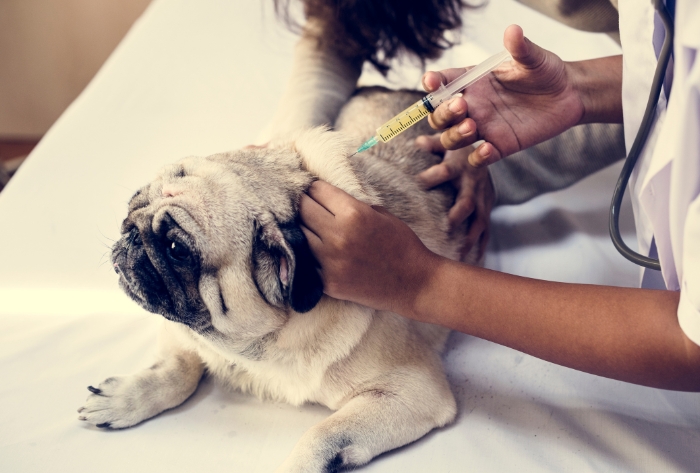
Many owners appreciate knowing what to expect during a vaccination visit. Veterinary appointments usually involve much more than simply giving injections.
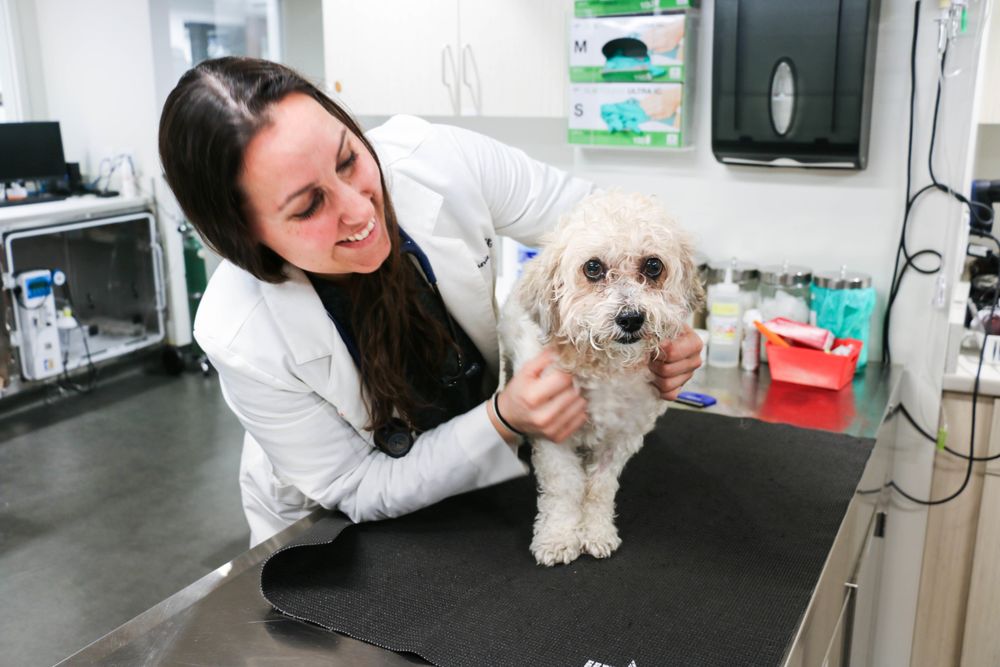
Veterinarians begin with a physical examination to evaluate overall health before administering vaccines. Weight, temperature, heart rate, and respiratory function may all be assessed during the visit.
Discussions often include:
- Lifestyle and activity level
- Travel plans
- Diet and nutrition
- Parasite prevention
- Behavioral concerns
- Previous vaccine reactions
Personalized recommendations help ensure dogs receive preventive care appropriate for their individual needs. Wellness visits also provide an opportunity for owners to ask questions about changes they have noticed at home.
Signs Your Dog May Need Veterinary Attention After Vaccination
Most vaccine side effects are mild and short-lived. Pet owners should still monitor dogs carefully after appointments to ensure recovery remains normal.
Temporary sleepiness or mild soreness can occur during the first day. Symptoms that should prompt a call to a veterinarian include persistent vomiting, difficulty breathing, swelling, weakness, or severe discomfort.
Early communication with a veterinarian helps address concerns quickly and provides reassurance when symptoms are mild and expected.
How Vaccines Support Community Health
Vaccination protects individual pets while also helping reduce the spread of infectious diseases among animals in the community. Dogs frequently interact with one another in urban neighborhoods, making disease prevention especially important.
Puppies, senior dogs, and pets with weakened immune systems may be more vulnerable to contagious illness. Community-wide vaccination efforts help lower overall disease transmission and contribute to safer public environments for pets.
Rabies vaccination also carries public health importance since the disease can affect both animals and humans.
Preparing Your Dog for a Vaccine Visit
Simple preparation steps can help make veterinary visits less stressful for both dogs and owners. Bringing favorite treats, allowing time for bathroom breaks, and remaining calm during the appointment can improve the experience.
Dogs should remain properly hydrated and continue eating normally unless your veterinarian provides different instructions. Owners should also inform veterinary staff about any medications, allergies, or previous vaccine reactions before the appointment begins.
Positive experiences during preventive care visits can help dogs feel more comfortable with future veterinary handling.
Common Misconceptions About Dog Vaccines
Many vaccine myths continue to circulate online, creating confusion for pet owners. Some people believe indoor dogs do not need vaccines. Even dogs with limited outdoor exposure can still encounter infectious organisms through people, surfaces, or unexpected contact with other animals.
Another misconception is that vaccines overload the immune system. Veterinary vaccination schedules are carefully designed to provide protection safely and effectively in accordance with current medical guidelines.
Skipping vaccines may increase the risk of preventable diseases that can become severe and costly to treat.
Supporting Lifelong Wellness Through Preventive Care
Vaccinations are one part of a broader preventive care plan designed to support long-term canine health. Wellness exams, parasite prevention, nutrition management, dental care, and routine laboratory testing all contribute to a healthier life.
Regular veterinary visits also help establish a medical history that can be valuable if future health concerns develop. Early detection and preventive care often improve treatment outcomes and quality of life.
If your dog needs vaccinations in Hell’s Kitchen, book an appointment with Pure Paws Veterinary Care of Hell’s Kitchen for a wellness visit. Our veterinary team can assess your dog’s lifestyle, discuss recommended vaccines, and provide compassionate preventive care focused on long-term health and protection.
FAQs
1. At what age should puppies start vaccinations?
Puppies usually begin vaccinations at 6 to 8 weeks of age. Additional booster vaccines are commonly given every few weeks until the puppy vaccination series is complete.
2. Do indoor dogs still need vaccines?
Indoor dogs can still be exposed to contagious diseases through people, surfaces, or occasional contact with other animals. Vaccination remains an important part of preventive care for most dogs.
3. How long do vaccine appointments usually take?
Many vaccine appointments are relatively quick, although visit length can vary depending on whether additional wellness exams or diagnostic tests are needed.
4. Can my dog feel tired after vaccinations?
Mild tiredness or soreness may occur for a short period after vaccination. Most dogs return to normal activity levels within a day or two.
5. What should I bring to my dog’s vaccine appointment?
Owners should bring previous vaccine records if available, and be prepared to discuss lifestyle habits, travel history, medications, and any prior reactions.
6. Why do some vaccines require boosters?
Booster vaccines help maintain strong immune protection over time. Immunity from certain vaccines can gradually decrease, making follow-up doses important for continued disease prevention.