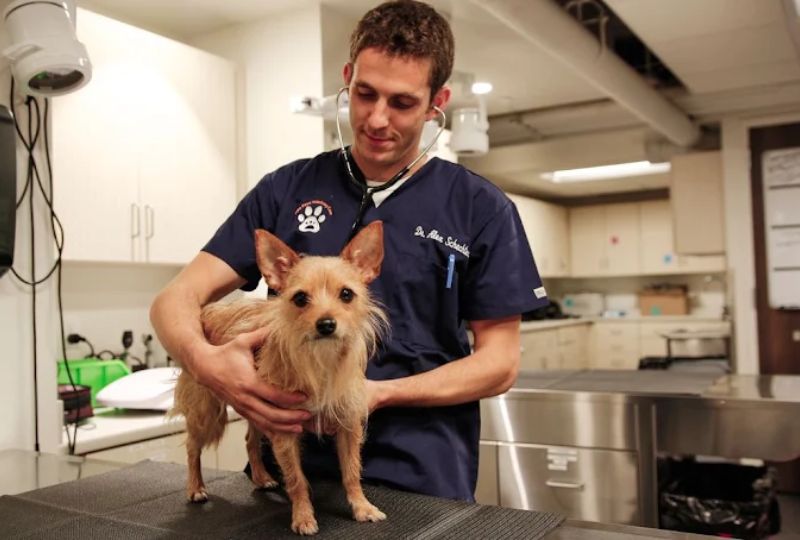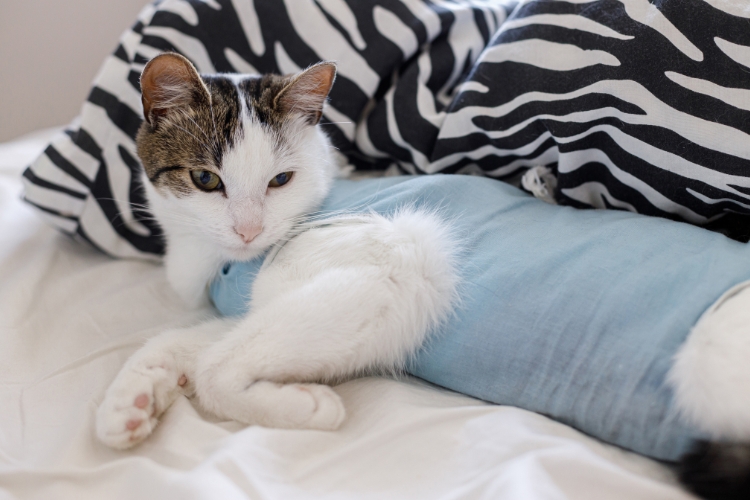
Spaying and neutering are some of the most common surgeries in veterinary care. While many pet owners understand that these procedures help avoid unwanted litters, there is often some confusion about how they might impact a pet’s health, behavior, and overall well-being over time.
Dogs and cats can benefit from spaying or neutering in several ways when the procedure is performed at the appropriate time. Understanding the facts behind these surgeries can help pet owners make informed decisions that support a healthier and more comfortable life for their companions.
At Pure Paws Veterinary Care of Hell’s Kitchen, veterinarians work closely with pet owners throughout the neighborhood to guide them before and after surgery, with a focus on safe, compassionate care.
1. Spaying and Neutering Can Improve Long-Term Health
One of the most important facts pet owners should know is that spaying and neutering can reduce the risk of several serious medical conditions.
Spaying female pets before their first heat cycle can significantly reduce the risk of mammary cancer later on. It also helps prevent uterine infections like pyometra, which can be life-threatening if not treated promptly.
For male pets, neutering can decrease the chances of testicular cancer and some prostate issues. Many veterinarians recommend neutering to promote overall reproductive health as your pets grow older.
Health benefits can vary depending on breed, size, and medical history, which is why veterinary guidance is important when deciding the best timing for surgery.
2. Timing Matters More Than Many People Realize
Pet owners often ask when their dog or cat should be spayed or neutered. Timing depends on several factors, including species, breed, age, and overall health.
Cats are often spayed or neutered at a younger age because they can begin reproducing quite early in life. When it comes to dogs, especially larger breeds that take longer to develop, timing can be more personalized. Veterinarians carefully consider each pet’s growth patterns, hormone development, and lifestyle factors before recommending surgery. Waiting too long might increase the chances of accidental pregnancies or reproductive health issues, while scheduling the procedure too early isn’t always suitable for every pet.
A personalized discussion with your veterinarian helps ensure the procedure is performed at the safest and most beneficial time.
3. Spaying and Neutering Doesn’t Change Personality
Many pet owners worry their pet will lose its personality after surgery. Most pets continue to display the same affectionate, playful, and loving behaviors they had before the procedure.
Spaying and neutering may reduce certain hormone-driven behaviors, including roaming, urine marking, mounting, and vocalization associated with mating instincts. Pets often become calmer and more focused once reproductive hormones are no longer influencing their behavior.
Behavior changes tend to happen slowly and can be different for each pet. Surgery isn’t a quick fix for every behavioral issue, especially those that come from habits formed through training or the environment. It’s important to keep up with enriching activities, regular exercise, and positive reinforcement even after surgery to support your pet’s well-being.
4. Recovery is Often Smoother Than Owners Expect
Many pet owners feel anxious about their pet’s recovery from surgery, especially if it is their pet’s first procedure. Modern medicine has made spaying and neutering much safer and more comfortable than many people realize.
Most pets return home the same day with pain management medication and detailed aftercare instructions. Recovery periods are generally shorter for cats and young pets, although every animal heals at its own pace.
Veterinarians usually recommend:
- Limiting running and jumping for several days
- Preventing licking at the incision site
- Monitoring for swelling or discharge
- Giving medications exactly as directed
- Attending follow-up visits if needed
Quiet rest and careful monitoring help support a smooth healing process. Many pets begin acting more like themselves within a few days after surgery.
5. Helps to Reduce Pet Overpopulation
Animal shelters and rescue organizations continue to face overcrowding in many communities. Spaying and neutering play an important role in reducing unwanted litters and helping lower the number of homeless pets.
Cats and dogs can reproduce much faster than many owners expect. A single unplanned litter may contribute to long-term overpopulation challenges, especially when the offspring later reproduce.
Preventing accidental breeding is especially important in busy urban areas like Hell’s Kitchen, where pets often encounter other animals during walks, daycare visits, or boarding stays.
Responsible reproductive care supports both individual pet health and broader community animal welfare efforts.
6. Equally Beneficial for Indoor Pets
Some owners believe that indoor pets do not need reproductive surgery because they rarely leave home. Indoor cats and dogs can still benefit from the medical and behavioral advantages associated with spaying and neutering.
Unexpected escapes happen more often than many people think. Cats may slip through doors or windows, while dogs can break free during walks or stressful situations.
Hormone-related behaviors can also occur in indoor pets. Female cats in heat may vocalize loudly and become restless, while intact male pets may display marking behaviors inside the home.
Spaying and neutering can help create a more comfortable environment for both pets and owners while also reducing certain long-term health risks.
7. Every Pet Needs an Individualized Surgical Plan
No two pets are exactly alike. Breed, age, size, lifestyle, and existing medical conditions all influence how vets approach surgery and recovery planning.
Pre-surgical evaluations often include physical examinations and laboratory testing to help identify potential concerns before anesthesia. Veterinary teams also customize pain management and monitoring protocols based on each pet’s specific needs.
Pet owners should feel comfortable asking questions about:
- Anesthesia safety
- Recovery expectations
- Feeding instructions
- Activity restrictions
- Incision care
- Follow-up appointments
Open communication helps owners feel more prepared and confident throughout the surgical process.
How to Prepare Your Pet for Spay or Neuter Surgery
Preparing in advance can help make the day of surgery less stressful for both pets and owners. Veterinarians typically provide detailed instructions before the appointment to support a smooth experience.
Owners may be advised to withhold food for several hours before anesthesia, although water instructions can vary depending on the pet’s age and health status. Calm transportation and a quiet recovery area at home are also important.
Pets should have a comfortable resting space away from excessive activity after returning home. Following all discharge instructions carefully helps reduce complications and supports proper healing.
Communication with your vet is especially important if your pet develops coughing, vomiting, swelling, loss of appetite, or unusual lethargy after surgery.
Common Myths About Spaying and Neutering
Several misconceptions persist, causing uncertainty among pet owners. Understanding the facts can make decision-making easier.
One common myth is that female pets should have one litter before being spayed. Veterinary research does not support this belief, and delaying surgery may increase certain health risks.
Another misconception is that pets automatically gain weight after surgery. Weight gain is usually linked to changes in diet and activity rather than to the procedure itself. Regular exercise and portion control remain essential for maintaining a healthy body condition.
Some owners also assume surgery is only necessary for young pets. Older pets may still benefit from reproductive surgery depending on their health and medical history.
Supporting Your Pet’s Health Through Preventive Care
Spaying and neutering are important parts of preventive veterinary care, yet they work best when combined with regular wellness visits, vaccinations, parasite prevention, nutrition management, and dental care.
Routine exams help identify health concerns early and allow vets to recommend care based on your pet’s changing needs over time.
Pet owners who stay proactive about preventive care often help support better long-term outcomes and improved quality of life for their dogs and cats.
If your dog or cat may need spay or neuter surgery near you, book an appointment with Pure Paws Veterinary Care of Hell’s Kitchen to schedule a consultation. Our veterinary team can assess your pet’s needs, explain available treatment options, and provide compassionate surgical care focused on a safe and comfortable recovery.
FAQs
1. How long does recovery usually take after surgery?
Many pets recover within 10 to 14 days, although activity restrictions may vary depending on the pet’s age, size, and overall health. Cats and younger pets often heal more quickly than older animals.
2. Will my pet need to stay overnight after surgery?
Most dogs and cats return home the same day after spay or neuter surgery. Some pets may require additional monitoring depending on their health status or recovery progress.
3. Can my pet eat normally after surgery?
Veterinarians usually recommend offering a smaller meal after returning home from surgery. Appetite may be slightly reduced for the first day, although many pets return to normal eating habits quickly.
4. Does neutering stop all unwanted behaviors?
Neutering may reduce certain hormone-related behaviors such as roaming or marking. Training, environment, and personality also influence behavior, so surgery may not eliminate every issue.
5. What should I watch for after surgery?
Pet owners should monitor the incision site for swelling, redness, discharge, or excessive licking. Contact your vet if your pet experiences vomiting, difficulty breathing, severe lethargy, or loss of appetite after surgery.