Internal injuries in pets can develop quickly and often go unnoticed until they become life-threatening. Unlike visible wounds, these conditions affect organs, tissues, or internal bleeding that may not show obvious signs right away. Recognizing early symptoms and acting quickly can make a significant difference in outcomes for both dogs and cats.
If you’re a pet owner in Hell’s Kitchen, this guide is tailored to help you understand the warning signs of internal trauma and when immediate pet surgery is necessary. Timely care can prevent complications and protect your pet’s health. If any concerning symptoms appear, consider scheduling a visit with Pure Paws Veterinary Care of Hell’s Kitchen, where compassionate care is prioritized.
What Causes Internal Injuries in Pets
Internal injuries may result from a variety of incidents, some more obvious than others. Even minor accidents can lead to serious complications.
- Blunt force trauma: This can occur from falls, collisions, or being struck by an object, leading to internal bleeding or organ damage
- Vehicle accidents: A leading cause of severe internal trauma in pets, often involving multiple injuries
- Ingestion of sharp objects: Items like bones or foreign materials can puncture internal organs
- Animal fights: Bites may appear small externally, but cause deep internal tissue damage
- Toxic exposure: Certain toxins can damage internal organs like the liver or kidneys
Understanding these causes helps pet owners stay vigilant and proactive.
Early Warning Signs That Should Not Be Ignored
Behavioral Changes That Signal Trouble
Pets often communicate discomfort through behavior. Sudden changes may indicate something serious beneath the surface.
- Lethargy: Reduced activity or unusual tiredness can signal internal distress
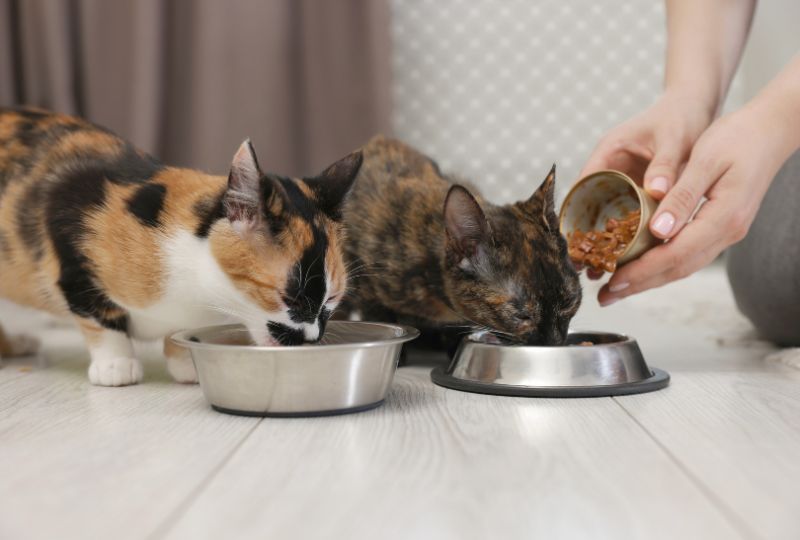
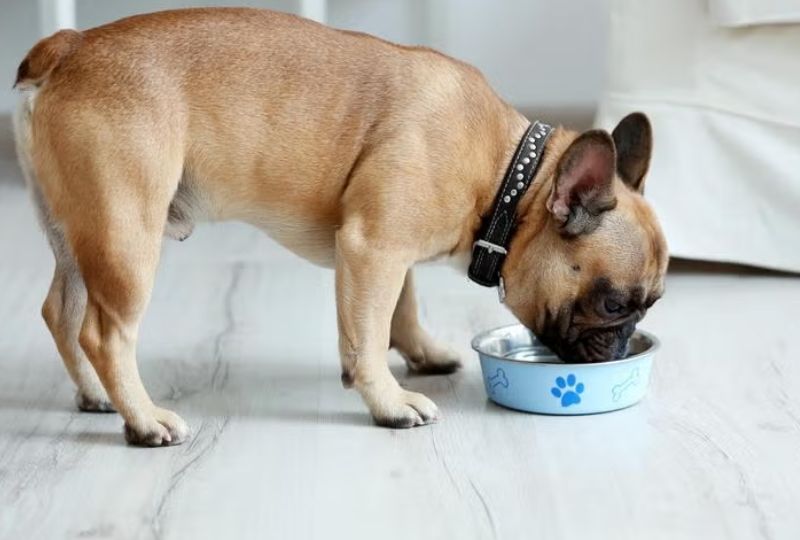
- Loss of appetite: Refusing food may point to pain or organ dysfunction
- Restlessness: Difficulty settling down may indicate discomfort or internal pressure
Physical Symptoms That Demand Attention
Visible symptoms can sometimes accompany internal injuries, even if the underlying issue is hidden.
- Pale gums: This may indicate blood loss or poor circulation
- Swollen abdomen: A bloated belly can suggest internal bleeding or fluid buildup
- Difficulty breathing: Labored breathing may point to chest trauma or fluid accumulation
- Vomiting or diarrhea: Persistent digestive issues can signal internal damage
- Bruising under the skin: Discoloration may indicate bleeding beneath the surface
Recognizing these signs early is critical for timely intervention.
When Immediate Veterinary Care Is Necessary
Certain symptoms indicate a high risk of severe internal injury and may require urgent surgical intervention.
- Collapse or unconsciousness: This is a medical emergency requiring immediate attention
- Severe abdominal pain: Pets may cry out, guard their belly, or resist touch
- Rapid heart rate: A sign of shock or internal bleeding
- Uncontrolled bleeding: Even if external bleeding is minimal, internal loss may be significant
Delaying care in these situations can lead to serious complications.
How Internal Injuries Are Diagnosed
Diagnosing internal injuries requires a combination of observation and advanced diagnostic tools.
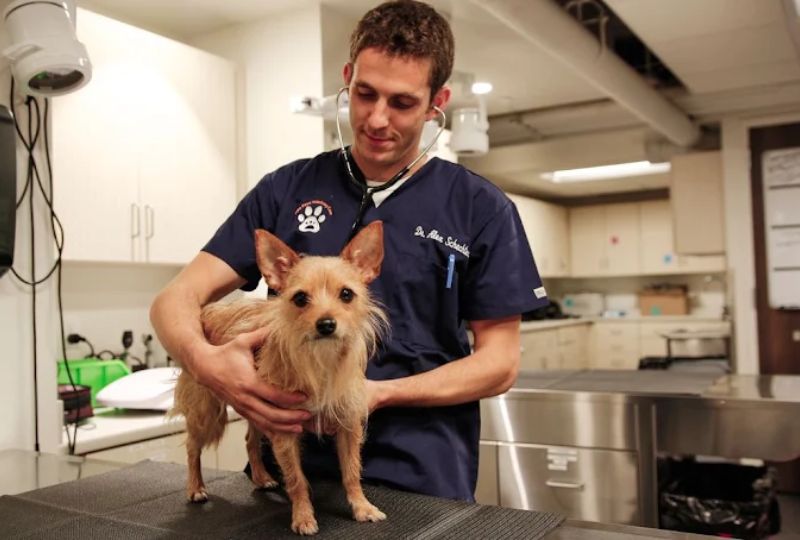
- Physical examination: Initial assessment to identify visible and behavioral signs
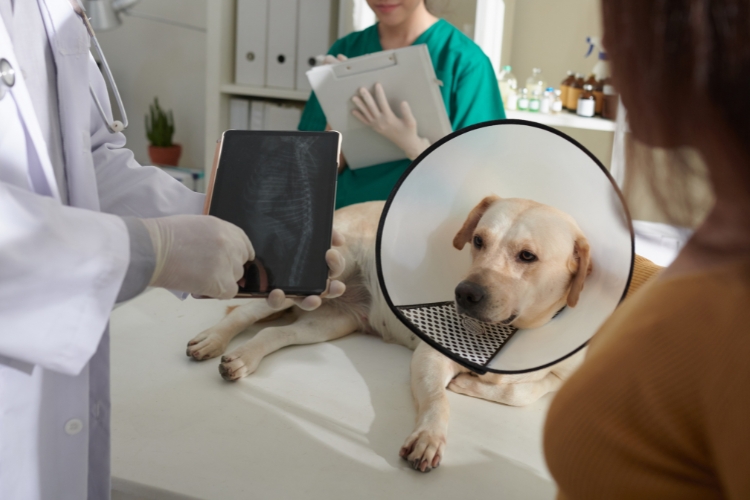
- Imaging tests: X-rays and ultrasound help visualize internal structures
- Blood tests: These can reveal infection, organ function, or blood loss
- Exploratory surgery: In some cases, surgery is needed to confirm and treat the issue
Accurate diagnosis is essential for determining the right treatment plan.
Treatment Options for Internal Injuries
Treatment depends on the severity and type of injury. In many cases, surgery is necessary to repair damage.
- Emergency surgery: Used to stop bleeding or repair damaged organs
- Fluid therapy: Helps stabilize pets suffering from shock or dehydration
- Pain management: Ensures comfort during recovery
- Monitoring and follow-up care: Regular checkups to track healing progress
Each case is unique and requires careful evaluation.
Recovery and Aftercare for Pets
Post-surgical care plays a vital role in recovery. Pet owners should follow veterinary guidance closely.
- Restricted activity: Limiting movement prevents strain on healing tissues
- Medication adherence: Administer prescribed medications as directed
- Wound care: Keep surgical sites clean and monitor for signs of infection
- Follow-up visits: Regular checkups ensure proper healing
Providing a calm and supportive environment helps pets recover more comfortably.
Preventing Internal Injuries in Pets
While not all accidents can be avoided, certain precautions can reduce the risk of internal injuries.
- Supervised outdoor time: Prevents exposure to hazards like traffic or aggressive animals
- Safe home environment: Remove sharp objects and secure dangerous items
- Proper nutrition: Supports overall health and resilience
- Regular veterinarian checkups: Early detection of underlying conditions
Prevention is always better than treatment when it comes to pet health.
Why Timely Action Matters
Internal injuries can worsen rapidly if left untreated. Early intervention improves outcomes and reduces complications.
- Prevents organ failure: Timely treatment protects vital systems
- Reduces recovery time: Early care leads to faster healing
- Improves survival rates: Immediate attention increases chances of recovery
Taking action at the first sign of trouble can save a pet’s life.
Take the Next Step to Identifying Early Signs
Internal injuries in pets are serious and often difficult to detect without veterinary evaluation. Staying alert to behavioral and physical changes can make a critical difference. Quick action ensures that pets receive the care they need before conditions worsen.
If you’re noticing unusual symptoms or suspect internal trauma, book an appointment with Pure Paws Veterinary Care of Hell’s Kitchen today. Our team will guide you through every step, providing attentive care and support to help your pet recover safely and comfortably.
Frequently Asked Questions
1. What are the most common signs of internal injury in pets?
Common signs include lethargy, vomiting, pale gums, difficulty breathing, and abdominal swelling. These symptoms may indicate serious internal issues that require immediate veterinary evaluation and possible surgical intervention.
2. Can a pet recover from internal injuries without surgery?
Some minor injuries may heal with supportive care, but many internal injuries require surgery. A veterinarian will determine the best treatment based on diagnostic tests and the severity of the condition.
3. How quickly should I act if I suspect internal trauma?
Immediate action is crucial. Delaying veterinary care can worsen the condition and reduce the chances of recovery. It is always safer to seek prompt evaluation if any concerning symptoms appear.
4. Are internal injuries always visible in pets?
No, many internal injuries do not show visible signs initially. Behavioral changes and subtle physical symptoms are often the first indicators, making regular observation essential for early detection.
5. What should I do before reaching a veterinary clinic?
Keep your pet calm and limit movement to prevent further injury. Avoid giving food or medication unless instructed. Transport your pet carefully and seek emergency veterinary care as soon as possible.