Surgery is often necessary for dogs to treat injuries, diseases, or conditions that can’t be managed with medication alone. While surgery can be life-saving and improve a dog’s health, pet owners need to be aware of potential complications that may arise after the procedure. Post-surgical care plays a crucial role in ensuring that your dog heals properly and avoids further issues.
This blog is especially for dog owners in New York, where access to top veterinary care is abundant, but understanding how to manage your dog’s recovery after surgery is essential. This guide discusses common complications that can occur after dog surgery and provides advice on how to address them, ensuring your dog recovers smoothly and safely.
Mastering Post-Surgical Care for Your Dog
After surgery, your dog’s body needs time to heal, and this requires careful attention. The veterinary team will provide instructions on caring for your dog, but being proactive and aware of potential complications can help ensure a faster, smoother recovery.
Proper post-surgical care ensures that your dog heals as expected and helps prevent complications such as infections, discomfort, or the need for additional surgery. Post-surgery, your dog will likely experience pain, swelling, or changes in behavior, all of which are natural responses. However, recognizing when something isn’t right is vital in preventing long-term issues. Here are the most common complications after dog surgery and how to address them.
Avoiding Common Post-Surgery Complications in Dogs
While every dog reacts differently to surgery, there are some common complications that pet owners should be aware of. These include infections, excessive bleeding, and issues with anesthesia recovery.
1. Infection at the Surgical Site
One of the most common complications following surgery is infection at the incision site, which can be caused by bacteria entering the wound, improper aftercare, or insufficient sterilization during the surgery.
Signs of infection include:
- Redness, swelling, or discharge around the incision
- Foul odor from the wound
- Fever or lethargy
- Excessive licking or chewing at the incision site
How to Address Infection:
- Monitor the incision site: Check it regularly for signs of infection and keep it clean and dry.
- Follow the vet’s instructions: the vet may prescribe antibiotics or an antiseptic to apply to the wound.
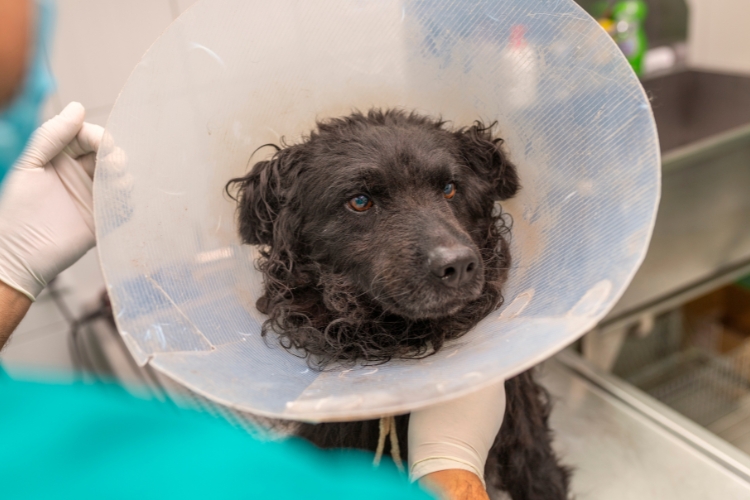
- Prevent licking: If your dog is licking or chewing at the incision, an Elizabethan collar (cone) can help prevent further irritation and infection.
2. Bleeding or Hematoma Formation
Some degree of bleeding after surgery is normal, but excessive bleeding or the formation of a hematoma (a collection of blood outside of blood vessels) can be problematic.
Signs of excessive bleeding or hematoma formation include:
- Continued or heavy bleeding from the surgical site
- A bulge or swelling near the incision site, which could indicate a hematoma
- Lethargy or weakness, which could be signs of blood loss
How to Address Bleeding:
- Apply gentle pressure: If there is minor bleeding, applying gentle pressure with a clean cloth may help stop it.
- Contact the vet immediately: If the bleeding doesn’t stop or there’s significant swelling, your dog should be seen by the vet as soon as possible to prevent further complications.
3. Pain and Discomfort
Pain is a natural response after surgery, but it should be managed effectively to prevent your dog from suffering. If your dog is in pain, it can hinder the healing process and lead to behavioral changes.
Signs your dog might be in pain include:
- Whining, whimpering, or vocalizing more than usual
- Avoiding movement or limping
- Excessive licking or biting at the incision
- Loss of appetite or reluctance to drink water
How to Address Pain:
- Follow pain management instructions: the veterinarian will likely prescribe pain medications or anti-inflammatory drugs to help manage your dog’s pain.
- Limit activity: Restrict your dog’s movement to prevent further injury and ensure the healing process is not disrupted.
- Comfort your dog: Providing a quiet, comfortable space for your dog to rest and recover will help them feel secure during the healing process.
4. Vomiting or Diarrhea After Anesthesia
Anesthesia is required for surgery, but some dogs experience vomiting, diarrhea, or other gastrointestinal issues as they recover from the effects of anesthesia. While this can be common, it should be monitored closely.
Signs of gastrointestinal distress include:
- Vomiting or diarrhea
- Loss of appetite
- Lethargy or excessive tiredness
How to Address Anesthesia-related Symptoms:
- Monitor your dog’s food and water intake: After surgery, offer small amounts of food and water to your dog. If they’re unable to keep it down, wait a few hours before offering more.
- Provide a quiet, stress-free environment: Make sure your dog has a calm place to rest and recover from anesthesia.
- Contact the veterinarian: If vomiting or diarrhea persists for more than a day, or if your dog seems in distress, consult the veterinarian for advice on managing these symptoms.
5. Surgical Site Dehiscence (Wound Opening)
Wound dehiscence refers to a surgical wound opening or failing to heal properly, which can be caused by excessive licking, infection, or excessive movement.
Signs of wound dehiscence include:
- The incision site is opening or not healing
- Increased redness, swelling, or drainage
- Visible sutures or staples that have come apart
How to Address Wound Dehiscence:
- Limit your dog’s activity: Keep your dog as still as possible to prevent tension on the incision.
- Use an Elizabethan collar: This helps prevent your dog from licking or chewing at the incision site, reducing the risk of the wound opening.
- Visit the vet for stitches or re-suturing: If the wound has opened, the veterinarian may need to re-suture it and apply additional care.
Essential Tips for a Quick and Smooth Dog Recovery
Here are a few general tips to ensure a smooth recovery for your dog after surgery:
- Follow all veterinary instructions: Always follow the vet’s instructions for medication, wound care, and activity restrictions.
- Keep the environment quiet and comfortable: Create a calm, cozy space for your dog to recover. Keep them away from loud noises or stressful environments.
- Encourage hydration: Make sure your dog is drinking plenty of water to stay hydrated during recovery.
- Prevent access to the surgical site: Use an Elizabethan collar or a recovery suit to stop your dog from licking or chewing at the surgical site.
- Monitor for any changes: Keep an eye on your dog’s behavior and report any changes to the veterinarian immediately.
Careful Monitoring for Successful Recovery
While most dogs recover from surgery without complications, it’s important to be aware of potential risks and how to address them. By staying vigilant and following the veterinarian’s advice, you can help your dog heal properly and avoid complications that may arise after surgery. Early detection and intervention are key to a smooth recovery, so it’s essential to monitor your dog closely during their healing phase.
If your dog has recently had surgery or is recovering from a procedure, book an appointment with Pure Paws Veterinary Care to ensure everything is healing properly. Timely care and attention will help your pet recover faster and more comfortably.
FAQs
1. How can I tell if my dog’s surgery site is infected?
Signs of infection include redness, swelling, pus or foul-smelling discharge, and excessive licking at the site. If you notice these symptoms, contact the veterinarian immediately.
2. What should I do if my dog is in pain after surgery?
If your dog seems to be in pain after surgery, contact the veterinarian to ensure they’re on the right pain management plan. Provide a quiet, comfortable space for them to rest.
3. How can I prevent my dog from licking the incision site?
Using an Elizabethan collar or recovery suit can prevent your dog from licking or chewing at their incision site, reducing the risk of infection and wound opening.
4. Is it normal for my dog to be lethargic after surgery?
Yes, some lethargy is normal after surgery as your dog recovers from anesthesia and the procedure. However, if lethargy persists or worsens, consult the veterinarian.
5. How soon can my dog return to normal activity after surgery?
Most dogs should avoid heavy activity for 10–14 days after surgery to allow the wound to heal properly. Always follow the vet’s instructions for exercise restrictions.
6. Can I bathe my dog after surgery?
It’s typically best to avoid bathing your dog until the incision site has healed fully. The veterinarian will give specific guidelines on when it’s safe to bathe your dog.