As cats grow older, their behavior can change in ways that may concern pet owners. A once active, playful cat might slow down, sleep more, or seem less interested in playtime. While some changes are a normal part of aging, others could be signs of underlying health issues that need attention. Understanding the difference between normal aging behavior and signs of illness is crucial to maintaining your senior cat’s quality of life.
This blog is specifically for cat owners in New York who want to better understand the behavioral changes that come with aging. Let’s explore what’s normal in senior cats, what isn’t, and how you can ensure your aging feline stays comfortable, happy, and healthy in their golden years.
A Guide to Understanding Senior Cat Behavior
As your cat ages, you may notice that they become less energetic, more sedentary, or more vocal. While these changes can be typical as your cat matures, it’s important to distinguish between normal aging and symptoms of potential health issues.
Cats are great at hiding discomfort, so changes in behavior are often the first clues that something might be wrong, which is why understanding what’s normal and what’s not in aging cats is key to providing the right care.
Recognizing Normal Changes in Senior Cats
Increased Sleep and Resting Time
As cats age, they may spend more time sleeping. Senior cats often sleep 16 to 18 hours a day, more than younger cats. While this is a normal part of aging, ensure that your cat can still move comfortably and engage with their environment during waking hours.
Decreased Activity
You may notice that your cat’s playtime has decreased, or that they aren’t as interested in jumping on high surfaces, which can be due to physical changes such as arthritis or general stiffness. It’s important to respect your cat’s pace but also encourage gentle activity to keep them fit and engaged.
More Vocalization
Some older cats become more vocal as they age, which may be a way to express discomfort, especially if they’re experiencing cognitive decline or pain. If your cat’s vocalizations are louder or more frequent than usual, this might be a sign that they’re trying to communicate their needs.
Changes in Eating Habits
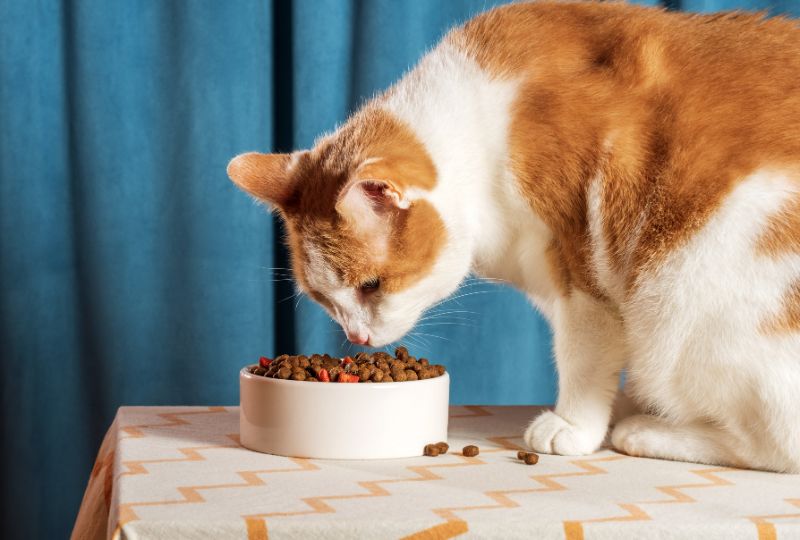
Senior cats may eat less due to changes in taste or smell perception, or they may become pickier about the food they eat. Additionally, some cats develop dental problems or gastrointestinal issues that can affect their appetite. If your cat isn’t eating or drinking as much as usual, it’s worth having them evaluated by a veterinarian.
Litter Box Habits
As cats age, they may experience a decline in their litter box habits, such as urinating outside the box or having accidents, which can be a sign of urinary tract infections, kidney disease, or cognitive dysfunction. A gradual change in litter box use can be normal, but sudden accidents should not be ignored.
Symptoms of Health Problems in Senior Cats
While some behavioral changes are part of the natural aging process, certain symptoms can indicate that your cat is experiencing health issues. If you notice any of the following, it’s important to consult the veterinarian as soon as possible:
1. Lethargy or Sudden Loss of Energy
While some reduction in activity is normal, a complete lack of interest in moving or interacting with you is not. Sudden lethargy could indicate several serious issues, such as heart disease, kidney failure, or other underlying health conditions. If your senior cat seems unusually tired or refuses to get up, it’s time for a veterinary evaluation.
2. Excessive Weight Loss or Weight Gain
Significant weight loss or weight gain in senior cats should be taken seriously. Cats may lose weight due to conditions like hyperthyroidism, diabetes, or cancer. On the other hand, sudden weight gain could be a sign of fluid retention, liver disease, or kidney problems. Regular monitoring of your cat’s weight can help you detect changes early.
3. Aggression or Sudden Behavioral Changes
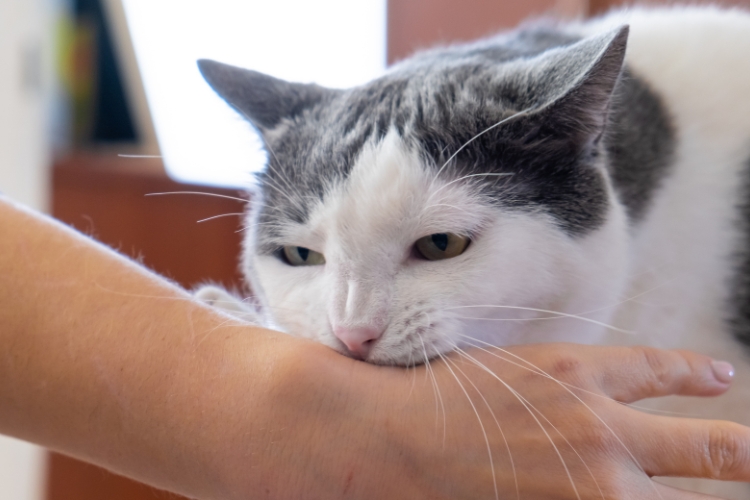
If your usually calm cat becomes aggressive or exhibits other drastic changes in behavior, it could be a sign of pain, anxiety, or cognitive dysfunction. Senior cats can experience confusion, similar to dementia in humans, which may lead to irritability or aggression. A sudden shift in temperament should never be ignored.
4. Difficulty Walking or Climbing
If your cat seems to be struggling with movement, it could be due to arthritis or other musculoskeletal issues common in senior cats. Difficulty jumping, climbing stairs, or walking could indicate pain or weakness. It’s important to consult the veterinarian to determine if there is an underlying issue that needs treatment.
5. Increased Thirst or Urination
Changes in urination habits, such as increased thirst or urinating outside the litter box, can indicate problems like diabetes, kidney disease, or urinary tract infections. If your senior cat is drinking excessively or urinating more often, this warrants a veterinary checkup.
6. Excessive Grooming or Lack of Grooming
A senior cat may groom less as they get older, or groom excessively due to pain or anxiety. Cats with dental pain may avoid grooming their faces or may excessively lick other parts of their body in response to discomfort. A vet should address both scenarios.
How to Care for Your Senior Cat
Caring for a senior cat requires some adjustments to ensure they remain as comfortable and healthy as possible. Here are some tips to help:
1. Regular Veterinary Checkups
Routine checkups are essential for senior cat care to detect any potential health problems early. As your cat ages, it’s recommended to take them to the vet at least twice a year for health evaluations. These checkups can help identify issues like dental disease, kidney disease, and arthritis.
2. Provide a Comfortable Environment
As cats age, they may become less mobile or more sensitive to temperature changes. Provide soft bedding in quiet, easily accessible areas. Make sure they have access to food and water without having to climb or jump excessively.
3. Manage Pain and Discomfort
If your cat shows signs of pain, such as limping or difficulty jumping, consult the veterinarian about pain management options. There are various treatments available, from anti-inflammatory medications to supplements that help manage arthritis and joint pain.
4. Encourage Gentle Activity
Keep your cat’s muscles and joints active with gentle play and interaction. Use toys that don’t require much jumping or movement, such as wand toys or laser pointers, to keep them engaged without overexertion.
5. Monitor Diet and Hydration
As cats age, their dietary needs change. Senior cats often benefit from food that’s easier to digest and specially formulated to support kidney, joint, and heart health. Ensure they’re drinking enough water, as dehydration can exacerbate many health problems.
Understanding and Supporting Your Aging Cat
Caring for a senior cat comes with its challenges, but with the right care, you can ensure they enjoy their golden years to the fullest. While some behavior changes are normal, others may indicate health problems that need attention. The key is staying proactive with their health care and making adjustments to their environment and routine to meet their changing needs.
If you’re in New York and looking for senior cat care near you, book an appointment with Pure Paws Veterinary Care today for a comprehensive checkup. Our team is dedicated to helping your cat stay healthy and happy as they age, offering tailored veterinary services to support their well-being.
FAQs
1. How can I tell if my senior cat is in pain?
Signs of pain in senior cats include difficulty jumping, reluctance to move, changes in eating habits, and increased vocalization. If you notice these behaviors, consult the vet for advice.
2. What should I do if my senior cat is losing weight?
Weight loss in senior cats can indicate several health problems, including hyperthyroidism or kidney disease. Schedule a vet visit to determine the cause and appropriate treatment options.
3. How often should I take my senior cat to the vet?
It’s recommended to take your senior cat to the vet at least twice a year for checkups, so the veterinarian can monitor their health and catch potential issues early.
4. Why is my senior cat grooming excessively?
Excessive grooming in senior cats can be a sign of pain, anxiety, or skin issues. If your cat is grooming excessively or not grooming at all, it’s important to consult the vet.
5. How can I make my senior cat’s home more comfortable?
Provide soft bedding in quiet, accessible areas, ensure they have easy access to food and water, and consider using a heated bed or blanket for warmth. These adjustments help your cat stay comfortable as they age.
6. Can arthritis be managed in senior cats?
Yes, arthritis can be managed in senior cats with medications, supplements, and dietary changes. Consult the veterinarian for the best approach to managing your cat’s arthritis pain and improving their mobility.