As your cat gets older, it is important to adjust their diet and feeding strategies to keep your senior cat healthy and happy. Proper nutrition can help address common aging issues such as joint pain, weight loss, and digestive problems. Understanding how nutrition supports your senior cat is key to providing the best care.
Understanding the Needs of Cat Senior Care
Senior cats usually reach this stage at 7 years or older, though this can vary by breed and health. As they grow older, their metabolism slows, and their bodies become less efficient at absorbing nutrients. They might also develop health issues, such as kidney problems, arthritis, or dental difficulties, which can affect their dietary needs. Proper nutrition is vital to support their changing health and keep them comfortable.
Giving the right mix of protein, fat, fiber, vitamins, and minerals is essential for maintaining an older cat’s health and comfort. In colder months in New York, proper nutrition helps keep their joints comfortable as seasonal changes occur.
Adjusting Protein and Fat Intake
A key aspect of cat senior care is controlling protein and fat consumption. As cats get older, they often lose muscle mass, resulting in weight loss and lower energy levels. Ensuring sufficient protein intake is vital for maintaining muscle mass, so it should be a bigger part of your senior cat’s diet.
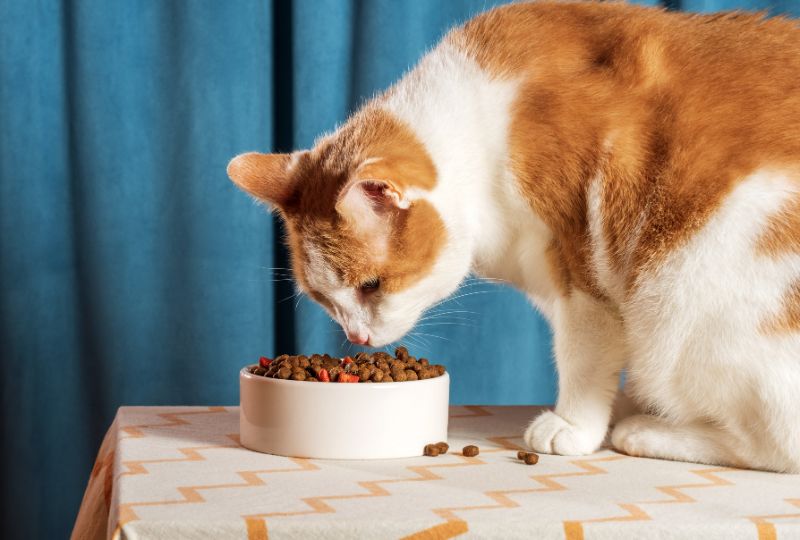
Unlike younger cats, senior cats may need a different protein source. They generally do better with easily digestible sources like chicken, turkey, or fish, which help maintain muscle and provide energy for daily activities. Make sure your cat’s food contains high-quality protein and is lower in fat if weight gain is a concern.
- Protein: 30-40% of their diet
- Fat: Moderate amounts (around 15-20%) to avoid excess weight gain
Incorporating healthy fats, such as omega-3 fatty acids, can benefit older cats’ joints and skin, making it easier for them to move around and maintain a shiny coat.
Special Nutrients for Cat Senior Care
Specific nutrients become even more crucial as your cat enters their senior years. These include:
- Antioxidants: Help fight oxidative stress associated with aging by choosing foods enriched with vitamin E, vitamin C, and taurine to promote heart health.
- Glucosamine and Chondroitin: These compounds are essential for joint health and can help reduce arthritis symptoms.
- Fiber: As digestive efficiency decreases, fiber aids in digestion and helps manage constipation, which is common in older cats.
- Vitamins A and D: These are essential for eye health and overall well-being and should be part of their diet to promote long-term vitality.
Make sure your senior cat’s diet contains these essential nutrients, especially if you notice arthritis, digestive problems, or low energy. Your veterinarian can provide tailored diet recommendations that address your cat’s unique health requirements.
Managing Obesity Through Cat Senior Care
Obesity is common in senior indoor cats and can cause health issues like diabetes and heart problems. To help manage weight, provide a balanced diet and encourage regular activity. Adjust portion sizes based on your cat’s activity level and metabolism to keep them healthy.
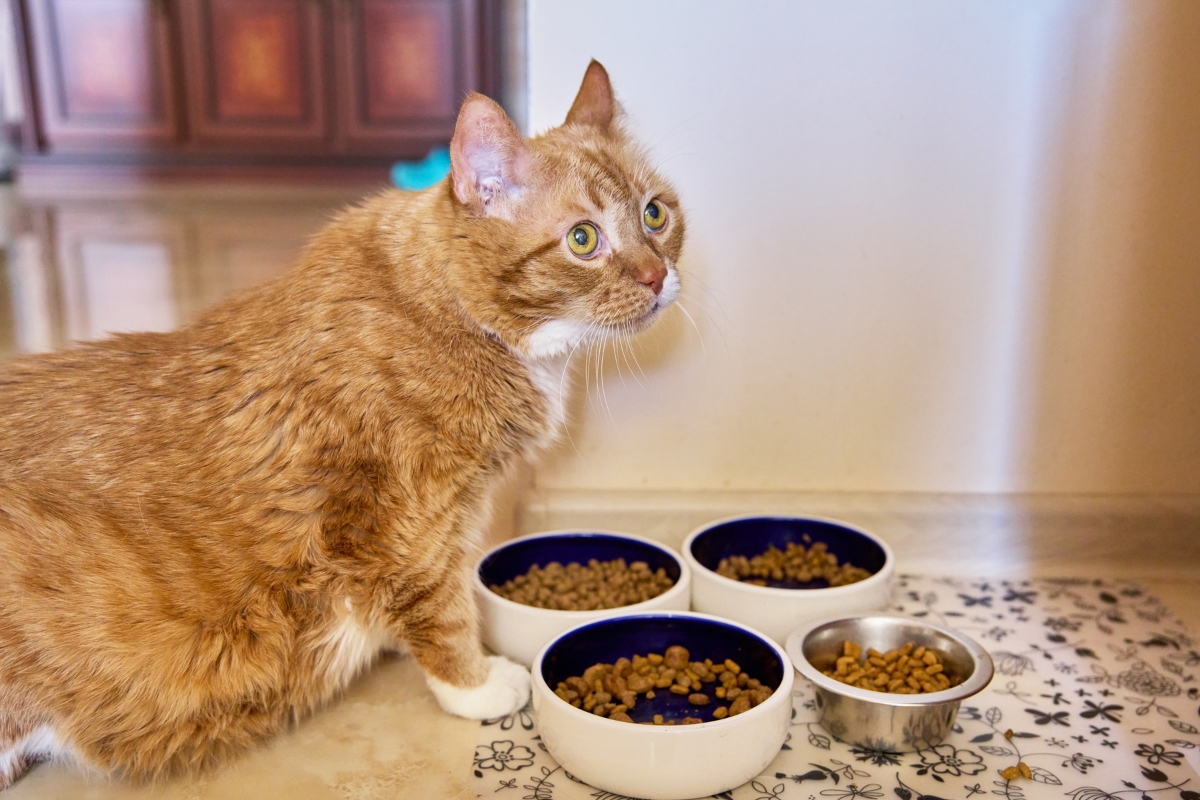
- Control portions: Use measured meals instead of free feeding to help prevent overeating.
- Low-calorie foods: Choose specially formulated senior cat food that’s lower in calories but still provides the necessary nutrients.
- Encourage movement: Provide toys and opportunities for your cat to exercise, even if it’s just short play sessions, to keep them active.
Regularly weighing your cat and checking their body condition score can help you monitor their weight and prevent obesity-related health problems.
Hydration and Kidney Health
Dehydration poses a significant concern for senior cats, especially those with kidney disease. As cats age, their kidney function tends to decline, increasing the risk of kidney issues. Ensuring access to ample fresh water and feeding wet food are essential measures to support kidney health and prevent dehydration.
- Wet food: Consider adding more wet food to your cat’s diet. This helps increase their water intake and is often easier on their digestive system.
- Fresh water: Ensure it is always available. Consider a water fountain, since many cats prefer flowing water.
If your cat is diagnosed with kidney disease, your vet can help you with cat senior care by recommending specific foods designed to support kidney function, which include lower phosphorus levels and increased moisture content.
Dental Health and Food Choices
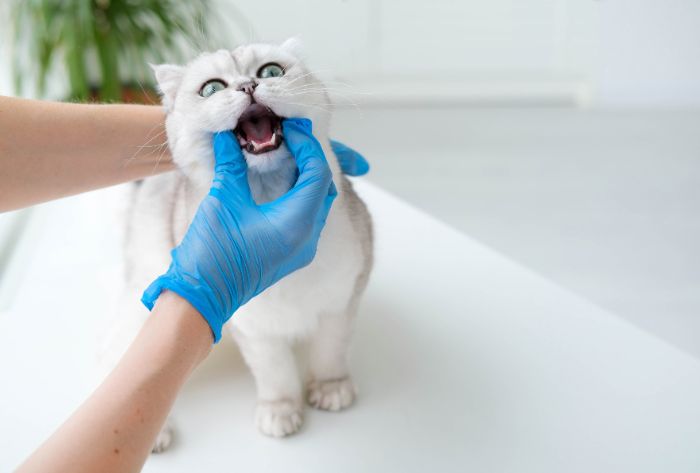
As cats age, dental health becomes increasingly important. Older cats are more prone to dental problems such as gum disease and tooth loss, which can cause pain and make chewing difficult. Choosing foods that support dental health is essential to help maintain your cat’s overall well-being.
- Dental diets: Some commercial senior cat foods are designed to help clean teeth as your cat eats, reducing plaque buildup and supporting gum health.
- Regular dental checkups: In addition to feeding the right food, regular dental exams and professional cleanings by your vet are necessary to ensure your cat’s teeth remain healthy.
If your cat has trouble chewing, you may need to switch to softer foods or wet food that doesn’t require as much effort to eat.
Supporting Your Senior Cat’s Health
Nutrition is one of the most critical factors in ensuring your senior cat’s well-being. By making the proper adjustments to their diet and taking proactive steps to manage their health, you can help your feline companion enjoy their golden years to the fullest.
Regular vet checkups and discussions with our vet at Pure Paws about food choices can further enhance their health and comfort. Your senior cat deserves the best, so make sure to nourish them with care.
FAQs
Q1. How can I improve my senior cat’s joint health?
Ans. Including omega-3 fatty acids and glucosamine in your cat’s diet can support joint health. Regular exercise and weight management also help reduce joint strain.
Q2. Can I feed my senior cat regular cat food?
Ans. While regular cat food may suffice, senior cats benefit from specialized diets designed for aging cats that address specific nutritional needs, such as joint health and kidney support.
Q3. How often should I feed my senior cat?
Ans. It depends on your cat’s needs and health status. Generally, senior cats benefit from smaller, more frequent meals to support digestion and maintain weight.
Q4. What are the signs that my senior cat is overweight?
Ans. Obesity signs include a lack of a visible waist, difficulty feeling the ribs, and lethargy. Regular weigh-ins and a proper diet can help manage their weight.
Q5. How do I care for my senior cat’s teeth?
Ans. Providing dental-friendly food, brushing their teeth, and scheduling regular dental checkups will help prevent dental issues and ensure your cat’s oral health.