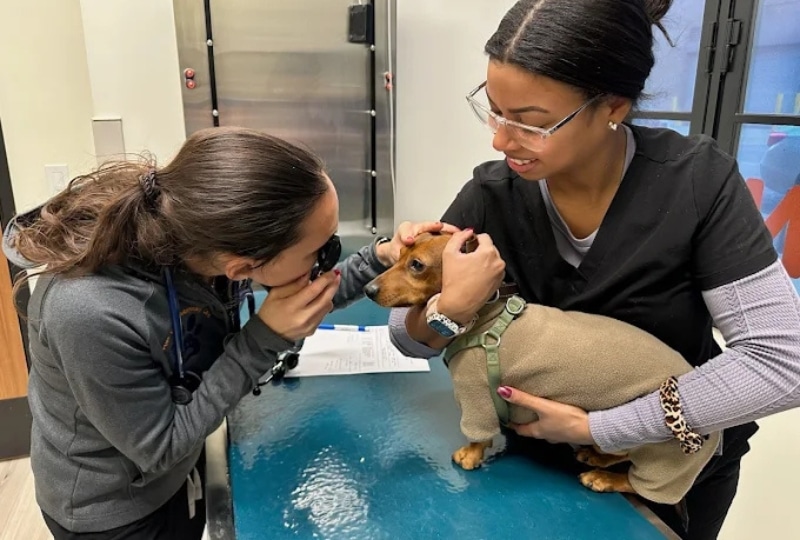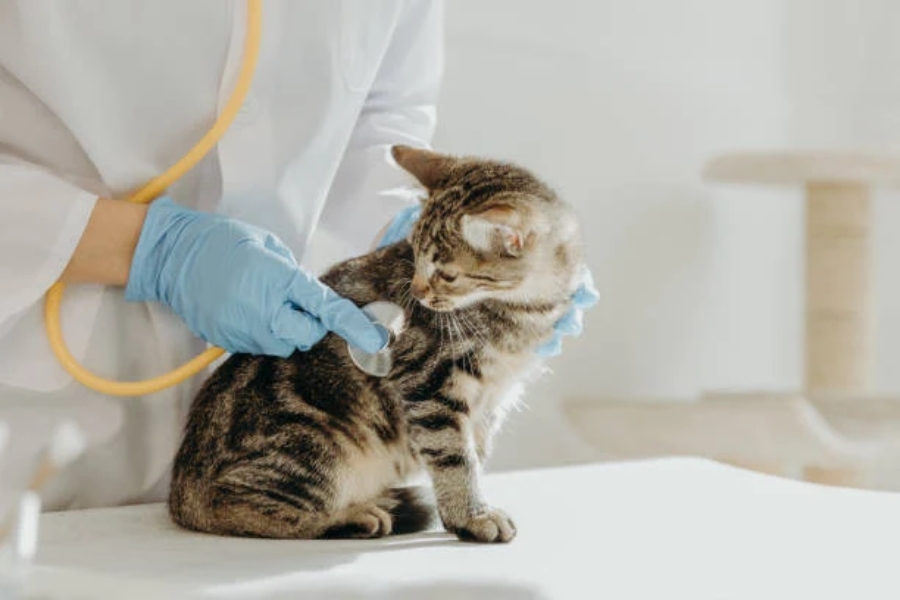
As a pet owner, your primary goal is to ensure your furry companion leads a happy, healthy life. However, even the most diligent pet owners can miss subtle changes in their pet’s health. This is where wellness exams come into play. Regular check-ups are crucial for early detection, preventative care, and ensuring your pet’s overall well-being. In this post, we’ll explore why wellness exams are essential for your pet’s long-term health and how they can positively impact their life.
1. Early Detection of Health Issues
One of the most significant advantages of wellness exams is the ability to catch health issues early. Pets, especially those who are aging, often mask symptoms of illness or discomfort. This makes it difficult for pet owners to detect problems until they become severe. During a wellness exam, your veterinarian conducts thorough checks to identify early signs of diseases such as cancer, kidney disease, or heart conditions.
By identifying health issues early, your vet can recommend preventative measures or treatments that can extend your pet’s life and improve their quality of living. For instance, if a pet is showing signs of arthritis, an early diagnosis can lead to effective treatment plans that reduce pain and inflammation, ensuring your pet remains active for longer.
2. Preventative Care for Long-Term Health
Wellness exams aren’t just about addressing existing health concerns. They also play a pivotal role in preventive care. Regular check-ups enable your vet to update vaccinations, administer flea and tick preventatives, and discuss nutritional needs. Preventive care can help avoid the onset of many common pet diseases, such as Lyme disease, rabies, or respiratory infections.
Moreover, preventative dental care is often overlooked but plays a crucial role in a pet’s long-term health. Regular wellness exams ensure that dental cleanings are performed when necessary, which can prevent gum disease, tooth loss, and even more severe health problems like heart disease, which can result from untreated oral infections.
3. Monitoring Weight and Diet
Obesity is one of the most common health issues among pets today. Overweight pets are at a higher risk for a range of health problems, including diabetes, joint issues, and cardiovascular disease. A wellness exam allows the veterinarian to evaluate your pet’s weight, body condition, and overall nutrition.
If your pet is struggling with obesity, your vet will provide guidance on creating a healthier diet plan and exercise regimen tailored to your pet’s needs. Regular check-ups ensure that your pet’s weight remains within a healthy range, which can significantly improve their overall longevity and well-being.
4. Mental Health and Behavioral Assessments
Physical health isn’t the only focus of wellness exams; your veterinarian also considers your pet’s mental health. Pets, especially dogs and cats, can develop anxiety, depression, or behavioral issues that may be difficult to spot unless assessed by a professional. Regular wellness exams provide an opportunity for your vet to evaluate your pet’s behavior and mental state.
For example, if your pet seems unusually stressed or is acting out, a wellness exam allows your vet to rule out any physical issues (such as pain or discomfort) that might be causing the behavioral changes. Early intervention can help prevent these issues from becoming chronic and affecting your pet’s quality of life.
5. Bloodwork and Diagnostic Tests
Blood tests are an essential part of wellness exams. Routine bloodwork helps detect underlying issues that may not be immediately obvious during a physical examination. For instance, liver or kidney dysfunction, diabetes, and thyroid problems can be detected through blood tests even before symptoms appear.
Diagnostic tests, such as urinalysis and fecal exams, are also part of the wellness exam process. These tests allow the veterinarian to detect infections, parasites, or abnormal organ function that may not be noticeable to the pet owner. Catching such issues early means better treatment outcomes and more effective management of your pet’s health.
6. Tailored Care for Aging Pets
As pets age, they become more susceptible to certain health issues, making regular wellness exams even more important. Senior pets often experience changes in their bones, joints, eyesight, and hearing. Regular check-ups allow your veterinarian to monitor these changes and implement treatment strategies to maintain your pet’s comfort and quality of life.
A wellness exam tailored to an aging pet may include more frequent blood tests, joint health assessments, and cognitive evaluations. Early interventions can help your senior pet maintain a high quality of life and prevent the onset of debilitating conditions.
In conclusion, wellness exams are essential for maintaining your pet’s long-term health and well-being. These regular check-ups help catch potential issues before they become serious, allowing for early intervention and better outcomes. From preventive care to weight management and dental health, wellness exams offer a comprehensive approach to keeping your pet healthy and happy.
For pet owners in New York City, where pets are often exposed to unique environmental factors, wellness exams are particularly important. With access to world-class veterinary care, you have the opportunity to provide your pet with the best preventive care possible. By making wellness exams a priority, you ensure that your pet not only stays healthy now but also enjoys a long, vibrant life in the years to come.
FAQs
Q1. How often should I schedule a wellness exam for my pet?
Ans. It’s recommended to schedule a wellness exam at least once a year for most pets. However, for senior pets or pets with chronic health issues, more frequent visits may be necessary.
Q2. Can wellness exams prevent all health problems in pets?
Ans. While wellness exams are crucial for early detection and preventative care, not all health problems can be prevented. Regular exams help minimize risks and manage potential issues before they become severe.
Q3. Are wellness exams expensive?
Ans. The cost of a wellness exam can vary depending on your location and your pet’s specific needs. However, the cost of prevention and early detection is often far less than treating advanced health problems.
Q4. What happens during a wellness exam?
Ans. During a wellness exam, your vet will perform a physical exam, assess your pet’s overall health, check for parasites, administer vaccinations, and may run blood tests or other diagnostic procedures.
Q5. Can wellness exams detect cancer in pets?
Ans. Yes, wellness exams can help detect early signs of cancer. Through routine checks and diagnostic tests, your vet can identify unusual lumps, changes in behavior, or internal issues that may signal cancer.
Q6. Is dental care included in a wellness exam?
Ans. Yes, dental care is often included in wellness exams. Regular check-ups allow the vet to examine your pet’s teeth, gums, and overall oral health, recommending cleanings or treatments as necessary.