Many dog owners schedule veterinary appointments only when their pet seems sick or injured. Routine wellness care and sick visits serve different purposes, although both are important parts of protecting a dog’s long-term health.
Dogs age faster than people, which means health changes can develop quickly between appointments. Preventive veterinary care helps identify concerns early, while sick visits focus on diagnosing and treating active symptoms or illnesses.
At Pure Paws Veterinary Care of Hudson Square, veterinary teams support dogs with preventive wellness care, diagnostic evaluations, and personalized health recommendations.
What Is Routine Wellness Care for Dogs?
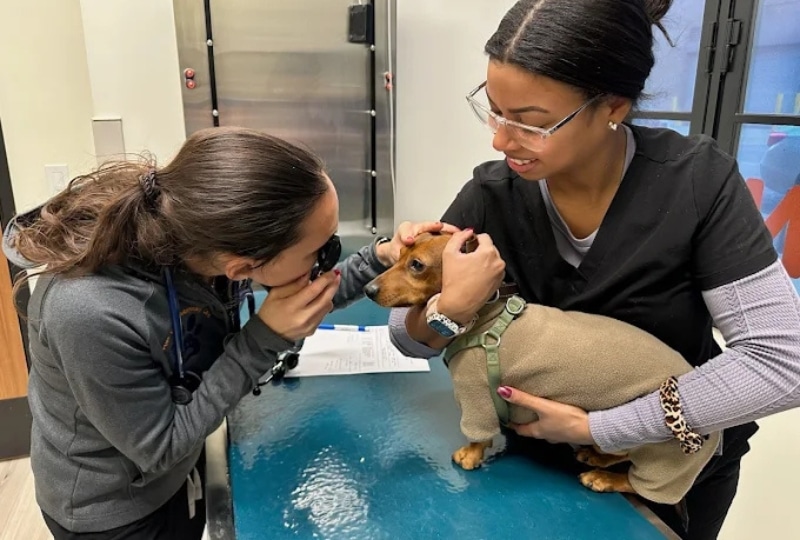
Routine wellness care focuses on maintaining overall health and helping prevent disease before symptoms appear. Wellness appointments allow veterinarians to evaluate physical condition, monitor changes over time, and recommend preventive treatments based on age and lifestyle.
Dogs may appear healthy outwardly while still harboring underlying medical concerns. Preventive care helps detect subtle problems early when treatment may be simpler and more effective.
Wellness visits often include:
- Physical examinations
- Vaccinations
- Parasite prevention
- Weight monitoring
- Nutritional guidance
- Dental evaluations
- Behavioral discussions
Regular wellness care also helps establish baseline health information that becomes valuable if a dog later develops illness or injury.
What Happens During a Sick Visit?
Pet owners usually schedule these appointments after noticing concerning signs at home. Sick visits are designed to address active symptoms, injuries, or sudden changes in a dog’s health.
Common reasons for sick visits may include:
- Vomiting
- Diarrhea
- Coughing
- Limping
- Loss of appetite
- Skin irritation
- Ear infections
- Breathing problems
Veterinarians focus on identifying the cause of symptoms and creating an appropriate treatment plan. Diagnostic testing may be recommended depending on the dog’s condition and the severity of symptoms.
Why Preventive Care Matters Even for Healthy Dogs
Some owners assume wellness visits are unnecessary if their dog seems energetic and healthy. Many medical conditions develop gradually and may not cause noticeable symptoms during the early stages.
Routine exams can help detect concerns such as:
- Dental disease
- Weight gain
- Heart abnormalities
- Arthritis
- Skin problems
- Early organ dysfunction
Dogs often hide discomfort instinctively, making regular veterinary evaluations especially important. Early detection may improve treatment outcomes and help avoid more serious complications later.
Wellness Visits Focus on Long-Term Health
Routine care appointments involve more than vaccines alone. Veterinarians use these visits to evaluate overall well-being and discuss factors that influence long-term health.
Lifestyle discussions may include:
- Exercise habits
- Diet and nutrition
- Social activity
- Travel exposure
- Grooming needs
- Behavioral changes
Recommendations are tailored to each dog’s age, breed, activity level, and medical history. Preventive plans often evolve as dogs move through different life stages.
Sick Visits Often Require Diagnostic Testing
Sick appointments usually focus on investigating specific symptoms and identifying underlying medical issues. Diagnostic testing may help veterinarians understand what is causing a dog to feel unwell.
Depending on symptoms, testing may include:
- Blood work
- Fecal testing
- Urinalysis
- X rays
- Ultrasound
- Skin testing
Diagnostic tools allow veterinarians to evaluate internal health conditions that may not be visible during a physical examination alone.
Prompt medical evaluation is especially important if symptoms appear suddenly or worsen quickly.
Vaccinations Are an Important Part of Wellness Care
Vaccinations help protect dogs from contagious and potentially life-threatening diseases. Wellness visits provide opportunities to review vaccine schedules and determine which protections remain appropriate for the dog’s lifestyle.
Core vaccines commonly protect against diseases such as:
- Rabies
- Distemper
- Parvovirus
- Adenovirus
Some dogs may also benefit from lifestyle-based vaccines depending on boarding exposure, travel habits, or social activity levels.
Preventive vaccination remains safer and less costly than treating many infectious diseases after exposure occurs.
Parasite Prevention Supports Overall Health
Parasite prevention is another major component of wellness care. Fleas, ticks, heartworms, and intestinal parasites can affect dogs year-round, including in urban environments like Hudson Square.
Some parasites may cause visible symptoms, while others remain unnoticed during early stages. Preventive medications and regular testing help reduce the risk of serious complications.
Veterinarians may recommend parasite prevention plans based on seasonal risks, travel history, and local environmental exposure.
Senior Dogs Often Need More Frequent Wellness Visits
Older dogs commonly benefit from increased monitoring as age-related changes become more common. Senior pets may gradually develop arthritis, heart disease, kidney concerns, vision changes, or cognitive decline.
Routine exams allow veterinarians to track changes in mobility, weight, hydration, and organ function more closely.
Senior wellness care may include:
- Laboratory testing
- Blood pressure monitoring
- Mobility evaluations
- Nutritional adjustments
- Pain management discussions
Frequent preventive care can help improve comfort and quality of life for aging dogs.
Emergency Symptoms Require Immediate Attention
Some symptoms should never wait for a future wellness visit. Emergency veterinary care may be necessary if a dog experiences severe or rapidly worsening signs of illness.
Symptoms requiring prompt attention may include:
- Difficulty breathing
- Collapse
- Seizures
- Persistent vomiting
- Severe bleeding
- Inability to urinate
- Blue or pale gums
Quick action can make a major difference during medical emergencies. Owners should contact a veterinarian immediately if serious symptoms develop.
Building a Relationship With Your Veterinary Team
Consistent wellness visits help dogs become more familiar with veterinary handling and clinic environments. Positive experiences during routine care can reduce stress during future visits.
Veterinarians also gain valuable insight into the dog’s normal health patterns over time. Familiarity with medical history and behavior changes may help improve diagnostic accuracy if illness develops later.
Open communication between owners and veterinary teams supports more personalized care and stronger long-term health planning.
Supporting Lifelong Canine Health
Wellness care and sick visits both play essential roles in maintaining canine health. Preventive appointments focus on reducing future risks, while sick visits address current medical concerns that require diagnosis and treatment.
Dogs benefit most when preventive care becomes a regular part of their health routine rather than something reserved only for emergencies. Staying proactive can improve comfort, support healthier aging, and help identify problems before they become severe.
If you’re a pet owner in Hudson Square, and your dog needs routine wellness care nearby, book an appointment online with Pure Paws Veterinary Care of Hudson Square. Our veterinary team can assess your dog’s health, discuss preventive care recommendations, and provide compassionate support focused on lifelong wellness and early disease detection.
FAQs
1. How often should dogs have wellness exams?
Many adult dogs benefit from yearly wellness visits, while puppies and senior dogs may require more frequent appointments depending on age and health status.
2. What is the purpose of a sick visit?
Sick visits focus on diagnosing and treating symptoms such as vomiting, coughing, diarrhea, limping, or other signs of illness or injury.
3. Are vaccinations part of wellness care?
Vaccinations are commonly included during preventive wellness appointments to help protect dogs against contagious diseases.
4. Can wellness visits detect health problems early?
Routine exams may identify subtle changes before symptoms become severe, allowing earlier treatment and monitoring.
5. Should indoor dogs still receive preventive care?
Indoor dogs still benefit from wellness exams, vaccinations, parasite prevention, and routine monitoring to support overall health.
6. What should I bring to a sick visit?
Owners should bring information about symptoms, medications, appetite changes, behavior changes, and the timing of any concerning signs.