Regular veterinary checkups are essential to keeping your pet healthy and happy. But to get the most out of those visits, preparation is key. Whether you’re booking your first visit or a routine check-up, a little planning goes a long way. Especially for pet wellness exams in New York, where fast-paced city life can bring added stress, prepping beforehand helps create a smooth, stress-free experience.
In this post, we’ll explore how to prepare your pet for a wellness exam, from what to pack to how to calm their nerves, ensuring a healthier, happier visit.
Why Pet Wellness Exams Matter
Pet wellness exams are not just routine—they’re preventive care at its best. These visits help your vet detect health issues early, monitor growth and development, and adjust treatments or diets as your pet ages. When done regularly, they can extend your pet’s life and improve their quality of life.
Step-by-Step Guide to Preparing Your Pet
1. Schedule Strategically
Begin by booking your appointment at a time when your pet is usually calm, perhaps mid-morning or after a nap. Avoid busy times at the clinic, especially if your pet is anxious around other animals. In New York, where clinics can get packed, scheduling during quieter hours can ease stress for both of you.
2. Get Your Pet Comfortable with Their Carrier or Leash
Cats often dislike carriers, while dogs might resist leashes or car rides. To reduce fear, bring the carrier out days in advance and make it inviting with blankets and treats. For dogs, take practice walks near your car and reward calm behavior with praise.
3. Update Medical Records
Before the visit, gather all your pet’s medical history, especially if you’re visiting a new vet. This includes vaccination records, current medications, and notes on recent health changes. For pet wellness exams in New York, many clinics also request travel history due to city-specific concerns like tick exposure or air quality.
4. Monitor and Record Behavior Changes
Track your pet’s habits for a week before the appointment. Take note of changes in appetite, bathroom habits, sleep patterns, and energy levels. Your vet can use this information to spot early signs of illness.
5. Prepare a List of Questions
Don’t wait until you’re in the exam room to think of important topics. Write down your concerns in advance. Common topics include diet, exercise routines, weight changes, unusual behavior, or age-related concerns.
6. Follow Fasting Instructions If Required
Some exams require fasting, especially if bloodwork is involved. Ask your vet if your pet should skip breakfast. If fasting isn’t necessary, feed them a light meal and ensure they have access to fresh water.
7. Pack a Comfort Kit
Pack a small bag with:
- Your pet’s favorite toy or blanket
- Treats for positive reinforcement
- Leash, waste bags, or a spare towel
- All necessary paperwork and your question list
This comfort kit helps your pet feel more secure and makes the visit easier for you and the veterinary staff.
8. Stay Calm and Positive
Pets mirror your emotions. If you’re anxious, they will be too. Stay upbeat, talk in a cheerful tone, and use rewards to reinforce calm behavior. Treats and praise go a long way toward creating a positive association with vet visits.
What Happens During a Wellness Exam?
A typical wellness exam includes:
- Weight check and body condition scoring
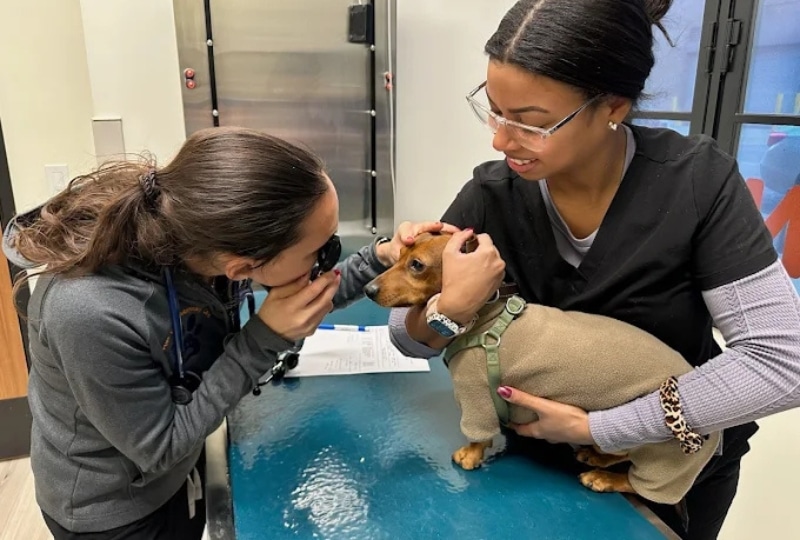
- Physical exam of eyes, ears, teeth, coat, and joints
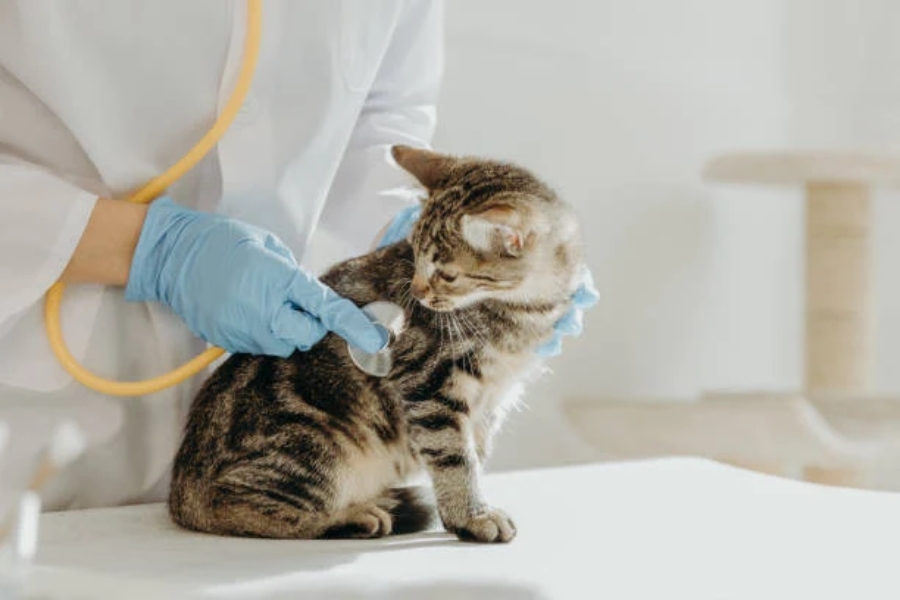
- Heart and lung auscultation
- Vaccinations (if needed)
- Fecal or blood testing
- Discussion on diet, exercise, and any concerns
Your vet may recommend further diagnostics if they detect anything unusual.
Proper preparation helps ensure that pet wellness exams are successful, productive, and low-stress. From building trust with the carrier to bringing a list of concerns, every small step you take improves your pet’s experience—and their long-term health.
Think of wellness exams as a team effort between you, your pet, and your veterinarian. With preparation and care, your pet will walk out healthier and happier, tail wagging, and paws high.
If you live in New York City, you can work with the veterinary professionals at Pure Paws Veterinary Care, conveniently located in three locations – Hudson Square, Clinton Hill, and Hell’s Kitchen – to keep your pet protected by scheduling a Wellness Exam.
Frequently Asked Questions (FAQs)
1. How often should I schedule pet wellness exams in New York?
Adult pets should have annual exams. Seniors and those with chronic conditions may benefit from checkups every 6 months.
2. Should I feed my pet before the appointment?
Unless fasting is required, a light meal is fine. Ask your vet for guidance when scheduling the appointment.
3. What if my pet is terrified of the vet?
Call ahead. Many pet clinics offer low-stress handling, separate waiting areas, and even anti-anxiety medication if needed.
4. Are vaccinations part of the exam?
Yes, your vet will check the vaccine status and may administer boosters during the wellness visit.
5. Can I discuss behavior issues?
Absolutely. Behavioral changes often signal health problems and should always be brought up during wellness exams.
6. How long does a pet wellness exam take?
Most exams last 20–45 minutes. More time may be needed for diagnostics or in-depth discussions.