Lyme disease. The name itself can send a shiver down a pet owner’s spine. This tick-borne illness, caused by the bacterium Borrelia burgdorferi, is a growing concern for dogs across the United States. Early detection is crucial for effective treatment and preventing long-term health issues in your beloved companion. But what are the subtle, often overlooked first signs of Lyme disease in dogs? It’s not always the dramatic limping we might expect.
What are the First Signs of Lyme Disease in Dogs?
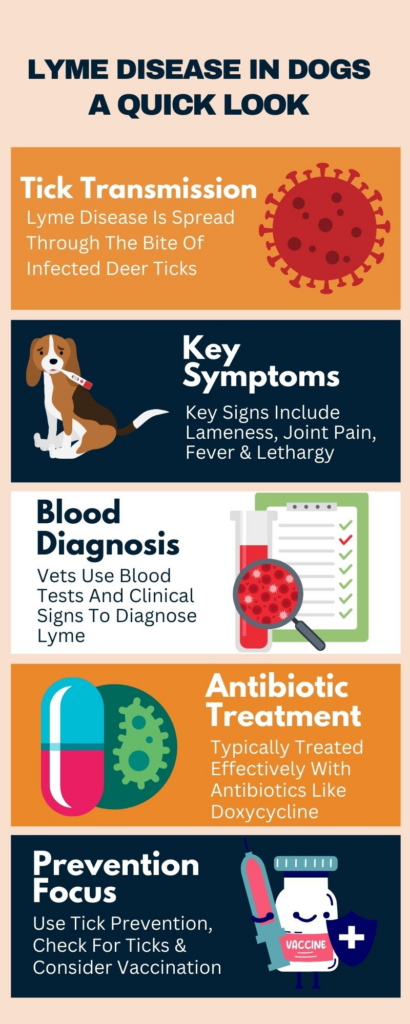
Early signs of Lyme disease in dogs often include lethargy, a noticeable decrease in energy and enthusiasm, and a loss of appetite, where they may pick at or refuse food. Subtle changes in their movement, such as stiffness or a mild, intermittent lameness, can also be among the initial indicators. Swollen lymph nodes, which can be felt as firm lumps, and occasionally a mild fever, may also present as early symptoms.
Lethargy: More Than Just a Lazy Day
One of the earliest and most common indicators of Lyme disease in dogs is lethargy. Your once energetic pup might suddenly seem tired, less enthusiastic about walks, or sleep more than usual. This isn’t just a case of a lazy day; it’s a persistent and noticeable decrease in their overall activity level. You might find them reluctant to play, lagging on walks, or simply seeming “off.”
Appetite Changes: When Their Food Bowl Isn’t Emptying
Another early sign to watch for is a loss of appetite. A dog who usually devours their meals with gusto might start picking at their food, leaving some behind, or even refusing to eat altogether. This change in eating habits, especially when coupled with lethargy, should raise a red flag.
Subtle Shifts in Movement: Paying Attention to Their Gait
While the classic symptom of Lyme disease is lameness, it might not be the first thing you observe. Initially, you might notice subtle shifts in their gait or a reluctance to move comfortably. They might be stiff when getting up after lying down, hesitant to jump, or show a slight limp that comes and goes. This lameness can affect different legs and may not be consistently present in all legs. Please pay close attention to any signs of discomfort or stiffness in their joints.
Swollen Lymph Nodes: Feeling for Clues
Swollen lymph nodes can also be an early indicator of the body’s immune response to the Lyme bacteria. You might be able to gently feel enlarged, firm lumps under your dog’s jawline or behind their knees. These swollen nodes are a sign that their body is fighting an infection.
The Often-Missed Sign: Mild Fever
Sometimes, the initial signs can be even more vague. Some dogs might exhibit a mild fever, which can be challenging to detect without a thermometer. You may notice them feeling slightly warmer than usual, but this symptom is often overlooked.
It is essential to remember that these early signs of Lyme disease can be subtle and easily mistaken for general fatigue or minor aches. They might also appear weeks or even months after the tick bite, making it challenging to connect the symptoms directly to the tick encounter.
What to Do If You Suspect Lyme Disease?
If you notice any of these early signs in your dog, it is crucial to schedule a veterinary appointment immediately. Don’t wait for the symptoms to worsen or for the classic lameness to appear. Early diagnosis and treatment with antibiotics are highly effective in resolving the infection and preventing long-term complications, such as kidney disease or chronic arthritis.
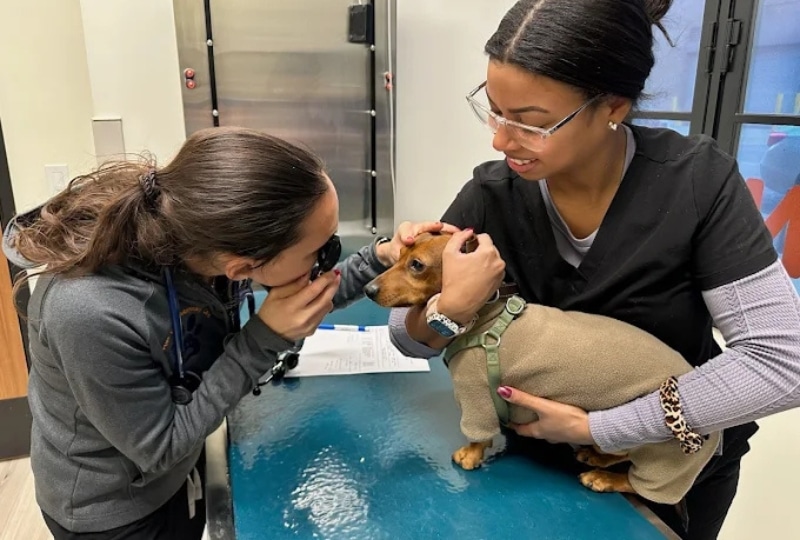
Your veterinarian will likely perform a physical examination, discuss your dog’s history and potential tick exposure, and may recommend blood tests to check for Lyme antibodies. It is essential to provide as much detail as possible about any changes you have noticed in your dog’s behavior or physical condition.
Prevention is Key
While early detection is vital, preventing Lyme disease in the first place is the best approach. Regular use of veterinarian-approved tick preventatives, thoroughly checking your dog for ticks after outdoor excursions, and maintaining your yard to reduce tick habitats are all essential steps in protecting your furry friend.
Recognizing the subtle first signs of Lyme disease can make a significant difference in your dog’s health and well-being. By being vigilant and proactive, you can ensure they receive timely treatment and continue to enjoy a happy and active life. Don’t dismiss those early whispers – they could be the key to safeguarding your dog from the lasting effects of Lyme disease.
Therefore, if you observe any of these early signs in your dog, consulting a veterinarian in New York can be crucial for timely diagnosis and treatment.