Caring for a cat goes far beyond food, toys, and regular cuddles. Many pet owners focus on visible health concerns while ignoring one of the most important areas of a cat’s body, which is their mouth. Dental problems in cats often develop quietly, and by the time symptoms appear, the issue may already be serious. Understanding how proper cat dental care contributes to overall wellness can help prevent pain, infection, and costly treatments later.
Many cat owners unknowingly make simple mistakes that lead to dental issues. These habits might seem harmless in the beginning, but over time, they can affect your cat’s comfort and quality of life. Let’s explore the most common mistakes and how better dental care can help you avoid them.
1. Ignoring Regular Dental Checkups
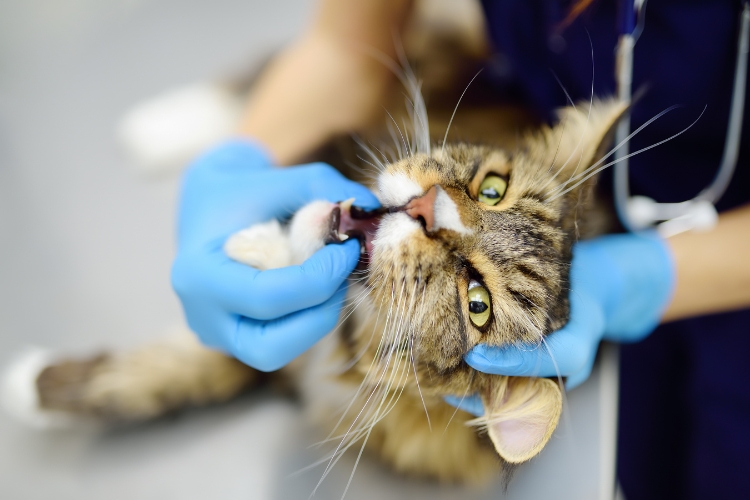
One of the biggest mistakes cat owners make is skipping routine dental exams. Cats are great at hiding discomfort, which means dental issues often go unnoticed until they become severe. Regular checkups allow veterinarians to detect early signs of problems like plaque buildup, gum inflammation, or infections.
Without veterinary monitoring, minor concerns can quickly develop into painful conditions. Preventive visits are not just about cleaning teeth but also about maintaining strong and healthy gums. Making dental exams a regular part of your pet’s healthcare routine can prevent long-term complications and ensure better feline dental health.
2. Assuming Cats Do Not Need Dental Care
Some owners believe that cats naturally maintain clean teeth without any help, which often leads to neglect. In reality, cats can develop plaque and tartar just like humans and dogs. Over time, this buildup can cause gum disease and tooth decay.
Proper dental care is not optional but rather a necessity for keeping your cat’s teeth healthy. Establishing a routine that includes brushing and monitoring oral health can make a significant difference.
3. Skipping Tooth Brushing at Home
Many cat owners avoid brushing their pet’s teeth because it seems difficult or stressful. While it may take time for your cat to adjust, regular brushing is one of the most effective ways to prevent dental problems.
- Start slowly with short sessions to build comfort and trust.
- Use pet-safe toothpaste designed specifically for cats.
- Make brushing part of a calm and consistent routine.
Consistent brushing removes plaque before it hardens into tartar, which plays a key role in improving long-term dental care for cats and reducing the risk of disease.
4. Feeding Only Soft or Wet Food
While wet food has its benefits, relying only on soft meals can contribute to dental issues. Soft food does not provide the same cleaning action as dry kibble, which can allow plaque to build up more easily on your cat’s teeth.
A balanced diet that includes dental-friendly options can help reduce buildup. Some specially formulated foods are designed to support oral health by gently cleaning teeth as your cat chews. Always consult your veterinarian to choose the right diet for your pet.
5. Overlooking Early Warning Signs
Many cat owners miss the early signs of dental disease because they are subtle. Cats rarely show obvious discomfort, which makes it easy to overlook problems until they become serious.
Watch for changes such as:
- Bad breath that does not go away easily.
- Drooling more than usual without a clear reason.
- Difficulty chewing or dropping food while eating.
- Red or swollen gums that look irritated.
Recognizing these early signs can help you act quickly and prevent more serious issues.
6. Not Providing Dental-Friendly Toys
Toys are not just for entertainment. They also play a role in maintaining oral health. Many owners choose toys without considering their dental benefits.
Chewing on safe, textured toys can help reduce plaque buildup. These toys encourage natural chewing behavior while supporting gum health. Choosing the right toys can add an extra layer of protection to your cat’s dental routine.
7. Delaying Professional Cleaning
Some pet owners wait until there is a visible problem before scheduling a supervised dental cleaning. It can often lead to more advanced dental issues that require extensive treatment.
Dental cleanings from a vet help remove tartar that cannot be eliminated through brushing alone. They also allow veterinarians to examine areas that are difficult to see during regular checkups. Scheduling cleanings at recommended intervals can prevent serious complications and keep your cat comfortable.
8. Using Unsafe Dental Products
Not all dental products are safe for cats. Some owners use human toothpaste or inappropriate cleaning tools, which can be harmful. Cats require products specifically designed for their needs.
Using the wrong products can cause irritation or even toxicity. Always choose vet-approved dental supplies to ensure safety and effectiveness. Investing in the right tools can make a big difference in maintaining your cat’s oral health.
9. Ignoring the Link Between Oral and Overall Health
Dental health is closely connected to overall wellness. Infections in the mouth can spread to other parts of the body, including the heart and kidneys. Many cat owners do not realize how serious untreated dental issues can become.
Maintaining good oral hygiene supports your cat’s entire system. By addressing dental problems early, you can reduce the risk of more serious health concerns, ensuring your cat stays healthy and active for years.
10. Waiting Too Long to Take Action
A common mistake is waiting until a cat shows clear signs of pain before seeking help. By that time, the problem may already be advanced. Acting early is always better than waiting for symptoms to worsen.
Understanding what mistakes cat owners make can help you avoid delays and take proactive steps. Early intervention not only prevents discomfort but also reduces the need for complex treatments.
How Better Dental Care Changes Everything
Improving your cat’s dental routine does not require drastic changes. Small, consistent steps can have a lasting impact. Regular brushing, proper diet, and routine checkups work together to protect your cat’s teeth and gums.
Building a strong dental care routine also helps your cat feel more comfortable during grooming and vet visits. Over time, these habits become easier for both you and your pet.
Creating a Simple Dental Care Routine
Establishing a routine does not need to be complicated. Start with manageable steps and gradually build consistency.
- Brush your cat’s teeth several times each week.
- Provide dental treats that support oral health.
- Schedule regular veterinary dental checkups.
- Monitor your cat’s behavior for any changes.
Taking care of your cat’s teeth is one of the most important responsibilities you have as a pet owner. Ignoring dental health can lead to pain, infections, and serious complications that affect your cat’s overall well-being.
If you want detailed guidance and personalized care, book an appointment online at Pure Paws Veterinary Care of Hell’s Kitchen. Our team can help you build a dental care plan that fits your cat’s needs. Take the first step today and book an appointment to give your cat the care they deserve.
FAQs
1. How often should I brush my cat’s teeth?
You should aim to brush your cat’s teeth at least two to three times each week. Daily brushing is ideal, but consistency matters more than perfection. Even a few sessions each week can make a noticeable difference over time.
2. Can dental treats replace brushing?
Dental treats can support oral health, but they should not replace brushing entirely. Brushing removes plaque more effectively, while treatments provide additional support. Using both together creates a more complete dental care routine.
3. Are dental problems common in cats?
Yes, dental issues are very common in cats, especially as they age. Many cats develop some form of dental disease without proper care. Regular checkups and preventive measures can significantly reduce this risk.
4. What happens if dental disease is left untreated?
Untreated dental disease can lead to pain, tooth loss, and infections. In severe cases, bacteria can spread to other organs and cause serious health problems. Early treatment is essential to avoid these complications.
5. When should I take my cat to the vet for dental issues?
You should schedule a vet visit as soon as you notice any unusual signs. Bad breath, difficulty eating, or changes in behavior can indicate a problem. Early evaluation helps prevent the condition from worsening.