Pets cannot tell us when something hurts or when they feel unwell. Instead, they communicate through changes in behavior, appetite, energy, movement, and daily habits. Therefore, recognizing unusual signs can help you decide when your companion needs professional attention.
Some changes may be temporary and harmless, while others can indicate an underlying health problem. For example, a pet that skips one meal may simply have a minor stomach upset. However, persistent appetite loss combined with vomiting, weakness, or behavioral changes deserves closer attention.
Knowing when to seek veterinary care can help you respond before a manageable concern becomes more complicated. This guide explains common warning signs, routine care needs, and situations that deserve prompt evaluation. It is especially useful for pet owners in New York.
Why Recognizing Health Changes Matters
Animals often hide discomfort. In nature, showing weakness can make an animal vulnerable, so dogs and cats may continue normal activities even when something is wrong.
As a result, small changes can sometimes provide the first indication of a developing health issue. You may notice that your pet sleeps more than usual, drinks more water, stops playing, hides frequently, or becomes reluctant to climb stairs.
These changes do not always mean your pet has a serious condition. Nevertheless, paying attention to patterns can help you identify when professional advice is appropriate.
A veterinary examination can help determine whether a symptom requires treatment, monitoring, diagnostic testing, or simply observation.
When Should You Contact a Veterinarian?
1. Your Pet Stops Eating
A temporary decrease in appetite can happen for several reasons, including stress, dietary changes, or mild digestive upset. However, prolonged appetite loss should not be ignored.
If your pet refuses food for an extended period or develops additional symptoms such as vomiting, diarrhea, weakness, or unusual behavior, contact a veterinary professional.
Cats deserve particular attention when they stop eating because prolonged food refusal can become a significant health concern.
2. Your Pet Drinks Much More or Less Than Usual
Changes in water consumption can sometimes provide an important health clue.
If your dog or cat suddenly drinks significantly more water and urinates more frequently, an underlying medical issue may be involved. Likewise, a noticeable reduction in drinking can contribute to dehydration.
Therefore, monitor your pet’s normal water habits and mention significant changes during a veterinary appointment.
3. Persistent Vomiting or Diarrhea
Occasional digestive upset may resolve quickly. However, repeated vomiting or persistent diarrhea can cause dehydration and may indicate an underlying condition.
Contact a veterinary professional if digestive symptoms continue, become severe, contain blood, or occur alongside weakness, pain, fever, or appetite loss.
Young animals and older pets may require particular attention because they can become dehydrated more quickly.
4. Difficulty Breathing
Breathing problems require prompt attention. Watch for rapid breathing, excessive effort, wheezing, coughing, unusual respiratory sounds, or open-mouth breathing in cats.
If your pet struggles to breathe or appears distressed, do not wait to see whether the problem disappears on its own. Contact a veterinary professional promptly.
5. Sudden Changes in Energy
You know your pet’s normal personality better than anyone. Therefore, a sudden change in energy can be meaningful.
A normally active dog that becomes unusually tired or a social cat that suddenly hides may be experiencing discomfort or illness.
If reduced energy continues or occurs with other symptoms, schedule a veterinary evaluation.
6. Signs of Pain
Pets may express pain in subtle ways. They may hide, whine, become restless, limp, avoid stairs, react negatively to touch, or change their sleeping position.
Some animals may become unusually quiet instead of vocalizing.
Never assume that pain will disappear without identifying its cause. A veterinary examination can help determine whether the discomfort relates to an injury, illness, dental problem, joint issue, or another condition.
7. Limping or Difficulty Moving
Sudden limping can result from something as simple as a minor strain, but it can also indicate a more significant injury.
Pay attention if your pet refuses to put weight on a limb, struggles to stand, has difficulty climbing stairs, or avoids normal activities.
Additionally, inspect the paw gently for obvious foreign objects when your pet allows it. However, do not force movement or manipulate a painful limb. If the problem persists or appears severe, seek veterinary guidance.
8. Changes in Urination
Changes in urination can indicate urinary or other health concerns.
Watch for:
- Frequent attempts to urinate
- Straining
- Crying during urination
- Blood in the urine
- Urinating outside the litter box
- Producing very little urine
- Inability to urinate
Difficulty passing urine can become serious, particularly in male cats. Therefore, a pet that cannot urinate requires prompt veterinary attention.
9. Unusual Lumps or Swelling
Not every lump is dangerous. Some may be harmless growths, while others require investigation.
If you discover a new lump, notice that an existing one changes size, or see swelling in an unusual area, schedule an examination.
Your veterinarian can assess the area and determine whether further diagnostic testing is appropriate.
10. Persistent Coughing or Sneezing
Occasional sneezing can occur because of environmental irritation. However, persistent coughing or sneezing deserves attention, especially when it occurs with nasal discharge, breathing changes, appetite loss, or reduced energy.
Do not assume that ongoing respiratory symptoms are simply allergies. A veterinary examination can help identify the cause.
Dental Changes Should Not Be Ignored
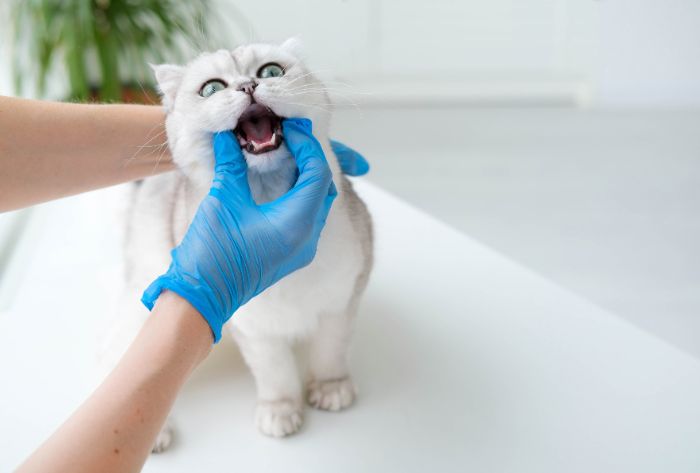
Dental problems are common in pets and can affect more than the mouth. Watch for bad breath, difficulty chewing, excessive drooling, pawing at the mouth, swollen gums, or reluctance to eat hard food.
Pets may continue eating despite dental discomfort, so owners should not rely solely on appetite to determine whether a problem exists.
Regular dental examinations can help identify oral health concerns before they become more advanced.
Changes in Behavior Can Be Important
Behavior often provides valuable information about a pet’s health.
A sudden change may include:
- Increased hiding
- Unusual aggression
- Restlessness
- Reduced interaction
- Excessive vocalization
- Loss of interest in play
- Difficulty settling down
- Changes in sleeping patterns
Behavioral changes can have multiple causes, including stress and environmental changes. However, sudden or persistent changes should be discussed with a veterinary professional, particularly when physical symptoms appear at the same time.
When Is an Immediate Veterinary Evaluation Important?
Some signs require prompt attention rather than waiting for a routine appointment.
These can include:
- Difficulty breathing
- Collapse or severe weakness
- Major bleeding
- Severe pain
- Seizures
- Suspected poisoning
- Serious trauma
- Inability to urinate
- Sudden loss of consciousness
- Severe vomiting
- Significant abdominal swelling
- Extreme unresponsiveness
If your pet experiences one of these problems, contact a veterinary professional immediately for guidance on the appropriate next step.
Routine Veterinary Visits Matter Too
Veterinary care is not only about treating illness. Regular wellness examinations help monitor your pet’s health and identify potential concerns before they become more difficult to manage.
During routine visits, the veterinary team can assess your pet’s weight, dental health, heart and lungs, skin, mobility, nutrition, and overall condition.
Preventive care may also include vaccinations, parasite prevention, wellness screenings, nutritional guidance, and age-appropriate recommendations.
Furthermore, regular visits establish a health history. When a vet knows your pet’s normal examination findings, subtle changes can become easier to identify over time.
How Often Should Your Pet See a Veterinarian?
The appropriate schedule depends on factors such as age, species, breed, lifestyle, medical history, and individual health needs.
Puppies and kittens often need more frequent visits during their first year because they require vaccinations, developmental monitoring, and preventive care.
Adult pets generally benefit from regular wellness examinations, while senior animals may require more frequent monitoring because health conditions can develop or progress with age.
Rather than following one schedule for every animal, discuss an appropriate wellness plan with your veterinary team.
How to Prepare for a Veterinary Appointment
Preparation can make an appointment more productive.
Before visiting the clinic, write down any changes you have noticed. Include information about appetite, water intake, bathroom habits, activity, sleep, and behavior.
Also, prepare a list of current medications and supplements. If you have noticed an unusual symptom at home, a short video may provide useful information if the behavior does not occur during the examination.
Bring relevant medical records when available, particularly if you are visiting a new veterinary practice.
Most importantly, be honest about your observations. Even small details can help the vet understand what may be happening.
What to Expect During the Examination
During a veterinary examination, the vet typically reviews your pet’s medical history and discusses the reason for the visit.
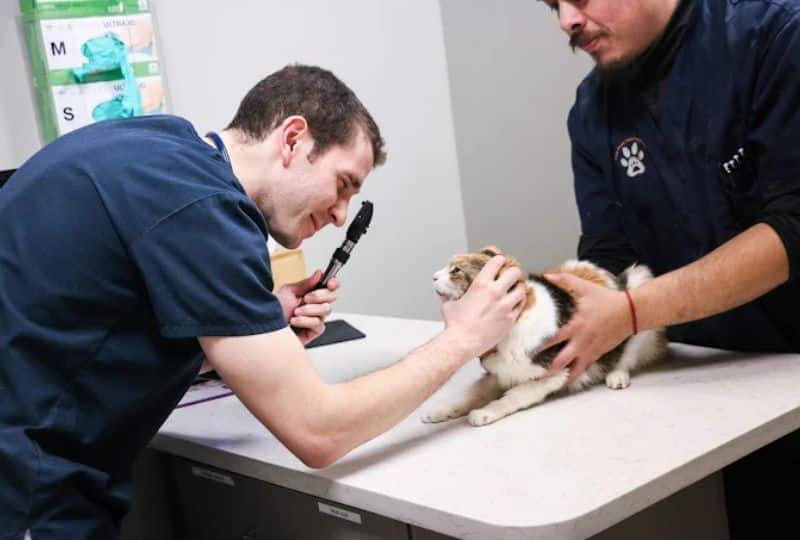
The physical examination may include checking the eyes, ears, mouth, skin, heart, lungs, abdomen, muscles, joints, and overall condition.
If the vet identifies a concern, additional diagnostics may be recommended. Depending on the situation, testing can include blood work, urine testing, digital imaging, or other procedures.
The veterinarian will then explain the findings and discuss appropriate treatment or monitoring recommendations.
You should feel comfortable asking questions. Understanding your pet’s condition and care plan helps you make informed decisions.
How Pure Paws Veterinary Care of Hudson Square Can Help
When your pet develops an unexpected health concern, having a trusted veterinary team can provide valuable reassurance. Pure Paws Veterinary Care of Hudson Square provides compassionate veterinary care designed around the individual needs of each pet.
The team can evaluate health concerns, perform appropriate examinations, discuss diagnostic options, and provide recommendations based on your pet’s condition.
Clear communication also plays an important role. When pet owners understand what their veterinarian finds and why a particular treatment or test may be recommended, they can participate more confidently in their pet’s care.
Don’t Ignore Small Changes
Sometimes, pet owners wait because a symptom does not seem serious enough to justify an appointment. However, persistent or unusual changes are worth discussing.
For example, gradual weight loss may go unnoticed until it becomes significant. Likewise, increased thirst, reduced activity, or changes in behavior may seem minor when viewed individually.
Consequently, keeping track of your pet’s normal habits can help you identify meaningful changes sooner.
When you are uncertain, contacting a veterinary professional is often better than guessing about the cause.
Knowing when your pet should see a veterinarian can help you respond to health concerns with greater confidence. Changes in appetite, water consumption, energy, breathing, movement, behavior, bathroom habits, and overall comfort can all provide useful clues.
Routine wellness examinations remain essential, while sudden or severe symptoms may require prompt evaluation. By observing your pet closely, preparing for appointments, and following professional recommendations, you can support better health throughout your companion’s life.
If you are in New York and looking for a veterinarian near you, book an appointment with Pure Paws Veterinary Care of Hudson Square. Our experienced veterinary team is committed to providing compassionate care and personalized support for you and your pet at every stage.
Frequently Asked Questions
- How do I know if my pet needs to see a veterinarian?
Watch for persistent or unusual changes in appetite, drinking, energy, behavior, breathing, movement, urination, bowel movements, or overall comfort. Severe or rapidly worsening symptoms should receive prompt professional attention.
- Should I take my pet to the veterinarian for a small change in behavior?
A minor change may not always indicate illness, but persistent or sudden behavioral changes deserve attention. If your pet also develops physical symptoms, schedule an examination so the veterinary team can evaluate the situation.
- How often should pets have wellness examinations?
The ideal schedule depends on your pet’s age, species, lifestyle, medical history, and health needs. Young pets and senior animals may require more frequent visits, while adult pets should also receive regular wellness examinations.
- What should I bring to my pet’s veterinary appointment?
Bring your pet’s current medication and supplement information, relevant medical records, and details about any recent symptoms or behavioral changes. Photos or videos of unusual symptoms can also provide useful information.
- How can Pure Paws Veterinary Care of Hudson Square support my pet’s health?
Pure Paws Veterinary Care of Hudson Square provides individualized veterinary care, including examinations, preventive health guidance, diagnostic evaluation, and treatment recommendations based on your pet’s specific needs.
- Why choose Pure Paws Veterinary Care of Hudson Square for my pet?
Pure Paws Veterinary Care of Hudson Square focuses on compassionate care, careful evaluation, and clear communication. The veterinary team works with pet owners to understand their concerns and develop appropriate recommendations for their pets.