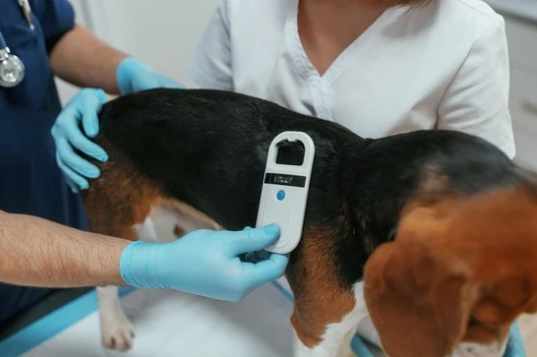
Microchipping your dog is an effective way to help ensure you can be reunited with your pet if it gets lost. If the microchip malfunctions or its stored information is not kept up to date, problems can occur. While these issues are rare, they can happen, and there are ways to address them. This article explains how dog microchipping works, what steps to take if it stops working correctly, and how to keep your dog’s identification information current and accurate.
Understanding How Dog Microchips Work
A dog microchip is a tiny, rice-sized device inserted under your dog’s skin, typically between the shoulder blades. It holds a unique ID number connected to a database with your contact details. This safe, non-invasive method helps reunite lost dogs with their owners.
The microchip activates when scanned, reads the ID number, and retrieves your contact details, enabling shelters, vets, or rescue groups to contact you.
A dog microchip is permanent and won’t wear out or get lost like collars or tags. However, similar to any technology, it can occasionally malfunction or become ineffective if not properly maintained.
What Can Go Wrong with Dog Microchipping?
While dog microchipping is generally reliable, there are a few potential issues that could arise:
The Microchip Gets Lost or Migrates
The chip is usually placed under the skin in a fatty layer of tissue on your dog. Sometimes it can move to another part of the body, making it harder to locate. Although uncommon, this can happen if the chip is not inserted correctly or if the dog is very active right after the procedure.
Malfunctioning or Faulty Microchips
Like all technologies, dog microchips can sometimes malfunction. While rare, a faulty microchip may not scan correctly, making your pet’s identification unreadable. If the microchip fails, it may prevent you from being reunited with your dog.
Incorrect or Outdated Information
A common reason microchips fail is outdated or incorrect contact information. Whenever you move or change your phone number, make sure to update your details in the microchip registry so you can be easily contacted if your dog is found.
What to Do if Your Dog’s Microchip Malfunctions?
If you suspect your dog’s microchip isn’t working, begin by visiting your veterinarian. They can scan your dog to check if the chip is working correctly, has moved, or is malfunctioning.
Here are some things you can do to ensure your dog’s microchip is working correctly:
- Routine Scanning: During your dog’s annual vet check-up, ask the vet to scan the chip to ensure it’s functioning correctly and in its proper location.
- Check the Chip’s Location: Dog microchips can shift under the skin. If your dog has had recent surgery or you observe swelling or irritation near the implant site, consult your vet to verify its position.
- Update Information: If your contact information has changed, immediately update it with the microchip registry. You can contact the registry directly or ask your vet to help make the necessary changes.
What Happens if Your Dog’s Microchip Gets Lost?
If your dog’s microchip becomes lost or cannot be scanned, there is often a way to resolve the issue. In many cases, having your dog’s collar with an ID tag is the best alternative for identification.
If the microchip is lost and can’t be found, or if it doesn’t work correctly, here’s what you can do:
Update Contact Information
Ensure that the microchip registry has your most current contact details. Some microchip registries offer lifetime services, so it’s crucial to update them whenever you move, change phone numbers, or change email addresses.
Use a Combination of Identification Methods
In addition to microchipping your dog, it is also helpful to use traditional identification tags on its collar. These tags are easy to see, making it simple for anyone who finds your dog to contact you right away. If the microchip is lost or doesn’t work correctly, having these tags can be an essential backup that could help bring your dog home safely.
Notify Animal Shelters and Vets
If your dog is lost, report it to local animal shelters and veterinarians. Many shelters have scanners to check for microchips, and they can contact the chip registry directly to help locate you.
Preventing Problems with Dog Microchips
Although problems with dog microchips are rare, there are steps you can take to ensure your dog’s chip stays effective:
- Check Regularly: Have your dog’s microchip scanned at each veterinary visit to ensure it is still working and in place.
- Use Visible Identification: Even if your dog has a microchip, use a collar with an ID tag that includes your phone number. This will help anyone who finds your dog reach you quickly.
- Update Information: Don’t forget to update your contact details with the microchip registry whenever you move or change your phone number.
Ensuring Your Dog’s Safety with Microchipping
Dog microchipping is a great way to ensure your pet’s safety, but it’s vital to be proactive about maintaining the chip’s effectiveness. By regularly checking the chip’s functionality, updating your contact information, and using traditional ID tags, you can maximize the chances of being reunited with your dog if they ever go missing.
If you have any concerns about your dog’s microchip or need assistance with updating your information, contact a veterinary clinic near you for a consultation and detailed guidance for getting your dog microchipped.
FAQs
Q1. Can a dog’s microchip move under the skin?
Ans. Yes, occasionally, a microchip may move to another area under the skin. If this happens, it can be harder to detect. A vet can check its location with a scanner.
Q2. What if my dog’s microchip isn’t working?
Ans. If the microchip isn’t working, it could be due to a malfunction or migration. Your veterinarian can help check its functionality and make necessary updates.
Q3. Can microchips help identify lost dogs internationally?
Ans. Yes, many microchip registries are international, allowing lost dogs to be identified anywhere in the world.
Q4. What happens if my dog’s microchip cannot be read?
Ans. If the microchip cannot be read, your dog may need to be re-chipped. You can consult your veterinarian for assistance.
Q5. Do all shelters and vets have microchip scanners?
Ans. Most shelters and veterinary clinics are equipped with microchip scanners to check if a dog is microchipped.